‘The Other Laurens’ Review: A Flavorful Belgian Noir With a Bona Fide 1970s Vibe
-
 Loading...
 - Tristan Renaud
- 30 May 2023
- 77 Views
- 0 Like
- 0 Comment
Belgian writer-director Claude Schmitz has crafted an intriguing film noir titled "The Other Laurens" (L'Autre Laurens), paying homage to "The Two Jakes," the lesser-known sequel to Roman Polanski's classic Chinatown. Schmitz's third feature draws inspiration from the existential neo-noirs of the 1970s, such as Robert Altman's "The Long Goodbye" and Arthur Penn's "Night Moves," creating a captivating family mystery filled with dark comedy and oddity, infused with the distinct flavor of Belgian cinema. The film, clocking in at a somewhat lengthy two hours, follows the journey of a destitute private investigator investigating the demise of his identical twin. Olivier Rabourdin delivers a riveting performance as the scrappy protagonist, previously seen in Catherine Breillat's Cannes competition entry, "Last Summer."
Schmitz, in collaboration with co-writer Kostia Testut, expands upon the crime-comedy blend showcased in his debut feature, the modest 2018 heist flick "Carwash," elevating it to a more ambitious detective narrative. The story begins with Gabriel Laurens (portrayed by Rabourdin), a Brussels-based private eye specializing in extramarital affairs, reminiscent of Jake Gittes from Chinatown. Gabriel, leading a solitary life, frequently visits his ailing mother, who consistently confuses him with his identical twin, François (also played by Rabourdin).
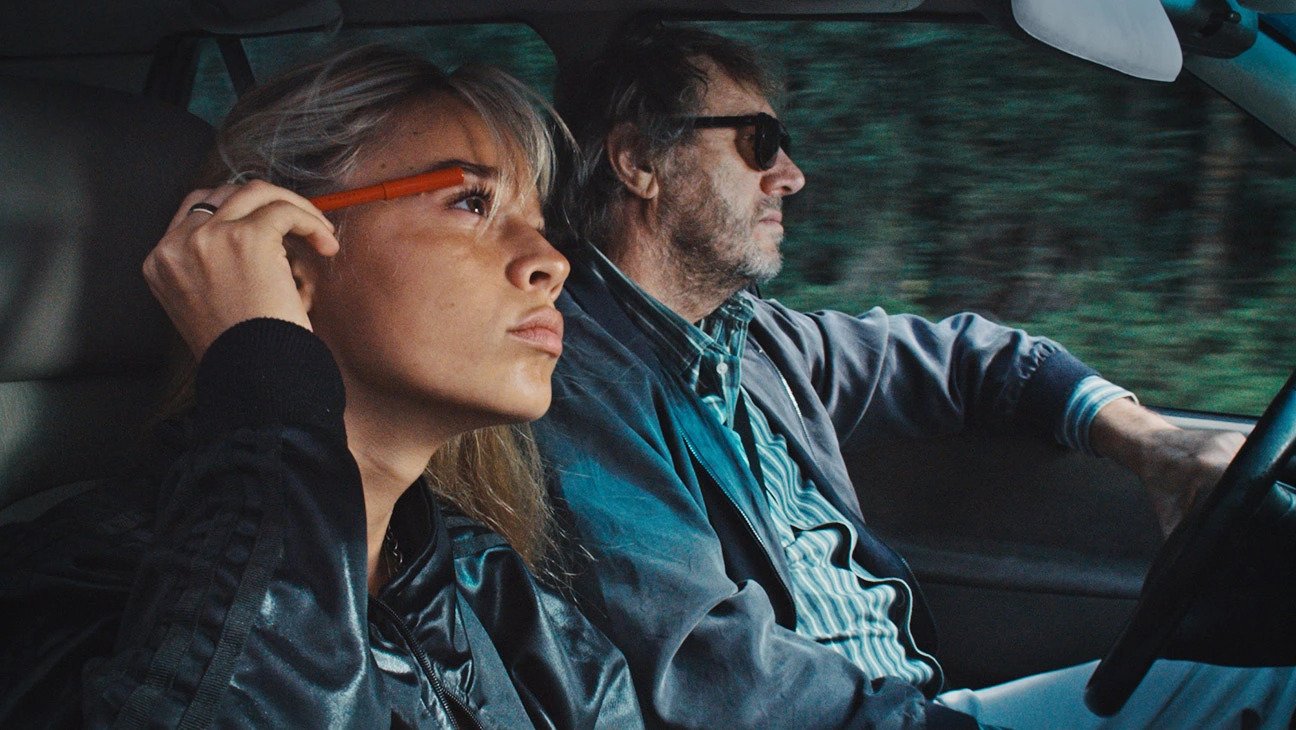
When François' daughter, Jade (Louise Leroy), unexpectedly arrives at Gabriel's doorstep with news of her father's fatal car accident, the reluctant detective finds himself embroiled in an affair he initially seeks to avoid. Having been estranged from his wealthy twin, who resided in an enormous chateau near the French town of Perpignan, close to the Spanish border, Gabriel intends to assist his niece briefly before departing. However, as anticipated, things take an unexpected turn as Gabriel becomes entangled in the luxurious and highly suspicious lifestyle of his deceased brother. He crosses paths with a money-hungry American wife (Kate Moran) aiming to abscond with the fortune, encounters a volatile Harley Davidson gang led by Valéry (Marc Babré), and becomes entwined in a botched drug deal across the border in Spain.
While the plot unfolds at a leisurely pace, it is punctuated with entertaining comedic diversions, many arising from the ineptitude of a pair of police investigators (Rodolphe Burger, Francis Soetens) assigned to the case. Gabriel strives to avoid them while safeguarding Jade, but often finds himself in need of her protection. The unlikely duo forms a bond that gradually draws the detective closer to a brother he had abruptly cut ties with. A late revelation adds depth to both characters, shedding light on their longstanding feud.
The most captivating aspects of "The Other Laurens" revolve around the mirroring effect between the two brothers. Throughout the film, Gabriel slowly transforms into the twin he once despised, donning his deceased sibling's attire, driving his high-end sports car, and ultimately assuming his identity. This duality serves as a perfect motif for the film noir genre, known for its predilection for duplicity and moral ambiguity. Schmitz skillfully employs this doubling theme until the boundaries between the two brothers blur.
The film's distinctive deadpan Belgian humor may not be to everyone's taste, and admittedly, it could have benefitted from some trimming. Nevertheless, we gradually become invested in Gabriel's convoluted quest for the truth, even if it becomes unclear whether that truth pertains to his brother or to himself. Throughout "The Other Laurens," Gabriel is frequently mistaken for François, and there are instances where he is perceived as a ghost, leaving us pondering whether we have been witnessing a tale of the living dead or a man condemned to walk the earth, and whether ultimately, these two notions are one and the same.