Home Upload Photo Upload Videos Write a Blog Analytics Messaging Streaming Create Adverts Creators Program
Bebuzee Afghanistan Bebuzee Albania Bebuzee Algeria Bebuzee Andorra Bebuzee Angola Bebuzee Antigua and Barbuda Bebuzee Argentina Bebuzee Armenia Bebuzee Australia Bebuzee Austria Bebuzee Azerbaijan Bebuzee Bahamas Bebuzee Bahrain Bebuzee Bangladesh Bebuzee Barbados Bebuzee Belarus Bebuzee Belgium Bebuzee Belize Bebuzee Benin Bebuzee Bhutan Bebuzee Bolivia Bebuzee Bosnia and Herzegovina Bebuzee Botswana Bebuzee Brazil Bebuzee Brunei Bebuzee Bulgaria Bebuzee Burkina Faso Bebuzee Burundi Bebuzee Cabo Verde Bebuzee Cambodia Bebuzee Cameroon Bebuzee Canada Bebuzee Central African Republic Bebuzee Chad Bebuzee Chile Bebuzee China Bebuzee Colombia Bebuzee Comoros Bebuzee Costa Rica Bebuzee Côte d'Ivoire Bebuzee Croatia Bebuzee Cuba Bebuzee Cyprus Bebuzee Czech Republic Bebuzee Democratic Republic of the Congo Bebuzee Denmark Bebuzee Djibouti Bebuzee Dominica Bebuzee Dominican Republic Bebuzee Ecuador Bebuzee Egypt Bebuzee El Salvador Bebuzee Equatorial Guinea Bebuzee Eritrea Bebuzee Estonia Bebuzee Eswatini Bebuzee Ethiopia Bebuzee Fiji Bebuzee Finland Bebuzee France Bebuzee Gabon Bebuzee Gambia Bebuzee Georgia Bebuzee Germany Bebuzee Ghana Bebuzee Greece Bebuzee Grenada Bebuzee Guatemala Bebuzee Guinea Bebuzee Guinea-Bissau Bebuzee Guyana Bebuzee Haiti Bebuzee Honduras Bebuzee Hong Kong Bebuzee Hungary Bebuzee Iceland Bebuzee India Bebuzee Indonesia Bebuzee Iran Bebuzee Iraq Bebuzee Ireland Bebuzee Israel Bebuzee Italy Bebuzee Jamaica Bebuzee Japan Bebuzee Jordan Bebuzee Kazakhstan Bebuzee Kenya Bebuzee Kiribati Bebuzee Kuwait Bebuzee Kyrgyzstan Bebuzee Laos Bebuzee Latvia Bebuzee Lebanon Bebuzee Lesotho Bebuzee Liberia Bebuzee Libya Bebuzee Liechtenstein Bebuzee Lithuania Bebuzee Luxembourg Bebuzee Madagascar Bebuzee Malawi Bebuzee Malaysia Bebuzee Maldives Bebuzee Mali Bebuzee Malta Bebuzee Marshall Islands Bebuzee Mauritania Bebuzee Mauritius Bebuzee Mexico Bebuzee Micronesia Bebuzee Moldova Bebuzee Monaco Bebuzee Mongolia Bebuzee Montenegro Bebuzee Morocco Bebuzee Mozambique Bebuzee Myanmar Bebuzee Namibia Bebuzee Nauru Bebuzee Nepal Bebuzee Netherlands Bebuzee New Zealand Bebuzee Nicaragua Bebuzee Niger Bebuzee Nigeria Bebuzee North Korea Bebuzee North Macedonia Bebuzee Norway Bebuzee Oman Bebuzee Pakistan Bebuzee Palau Bebuzee Panama Bebuzee Papua New Guinea Bebuzee Paraguay Bebuzee Peru Bebuzee Philippines Bebuzee Poland Bebuzee Portugal Bebuzee Qatar Bebuzee Republic of the Congo Bebuzee Romania Bebuzee Russia Bebuzee Rwanda Bebuzee Saint Kitts and Nevis Bebuzee Saint Lucia Bebuzee Saint Vincent and the Grenadines Bebuzee Samoa Bebuzee San Marino Bebuzee São Tomé and Príncipe Bebuzee Saudi Arabia Bebuzee Senegal Bebuzee Serbia Bebuzee Seychelles Bebuzee Sierra Leone Bebuzee Singapore Bebuzee Slovakia Bebuzee Slovenia Bebuzee Solomon Islands Bebuzee Somalia Bebuzee South Africa Bebuzee South Korea Bebuzee South Sudan Bebuzee Spain Bebuzee Sri Lanka Bebuzee Sudan Bebuzee Suriname Bebuzee Sweden Bebuzee Switzerland Bebuzee Syria Bebuzee Taiwan Bebuzee Tajikistan Bebuzee Tanzania Bebuzee Thailand Bebuzee Timor-Leste Bebuzee Togo Bebuzee Tonga Bebuzee Trinidad and Tobago Bebuzee Tunisia Bebuzee Turkey Bebuzee Turkmenistan Bebuzee Tuvalu Bebuzee Uganda Bebuzee Ukraine Bebuzee United Arab Emirates Bebuzee United Kingdom Bebuzee Uruguay Bebuzee Uzbekistan Bebuzee Vanuatu Bebuzee Venezuela Bebuzee Vietnam Bebuzee World Wide Bebuzee Yemen Bebuzee Zambia Bebuzee Zimbabwe
Blog Image

Argentine scientists and lawmakers recommend returning to GMT -4

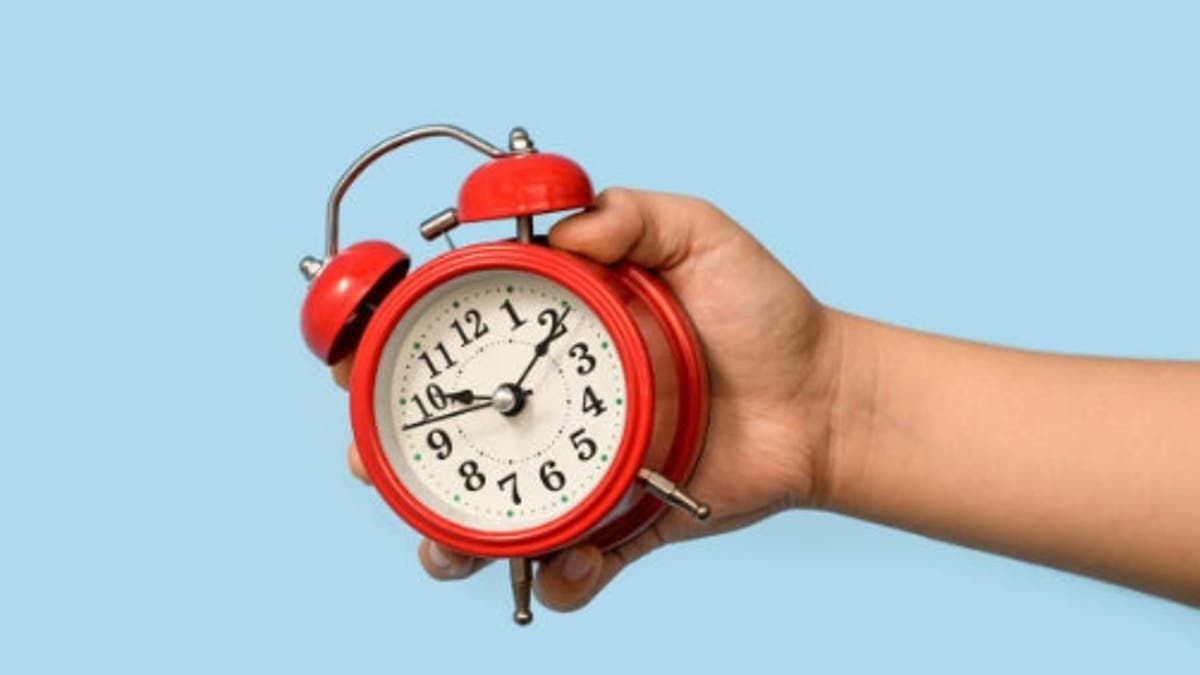
The Constitutional Affairs Committee of the Argentine Province of Mendoza's Lower House this week began analyzing a bill to adopt a daylight saving time system and go rogue to GMT -4, it was reported.

“The big mistake that Argentina has is to have a time zone that is wrong for its national territory”, Andrea Pattini, director of the National Council for Scientific and Technical Research (CONICET)'s Institute of Environment, Habitat and Energy (INAHE) said.

The project was submitted by Congressman Jorge Difonso during a session which was attended by Pattini and also by biologist and Conicet researcher Diego Golombek, who urged to solve the time zone error first.

Pattini maintained that “the time zone that all Argentina should have is -4″ and it is currently at -3. This is due to the alternations that occurred over the years, when the time was modified in summer and winter, she explained.

In 1969 the GMT -3 time zone remained permanent and was not returned to the corresponding time zone. ”We don't know what happened, they made a mistake and instead of going back to -4, it remained at -3,″ she added.

Ulteriore time zone changes carried over the miscalculation and in the Summer, Argentine moved from -3 to -2 and then back to -3. Hence, the researchers promoted the idea of “correcting the problem” that encompasses the entire national territory and then discuss other changes in winter and summer.

Read also: Paraguay changes into GMT-4 Daylight Saving Time

Changing the time zone is about putting the official clock closer to solar time, that in the morning dawns with natural light and not at night. “As we have less daylight hours, the big error that Argentina has is felt much more. In the west this is very noticeable, in Buenos Aires it is off by about 40 minutes, but in Mendoza -for example- we are off by one hour and 40,″ Pattini pointed out. She also said seasonal changes do not make much of a difference in terms of energy savings.

Golombek stressed that ”summer and winter changes do not have great benefits ... [because] what is saved on one hand, is spent on the other.“ He also explained the provincial lawmakers that adjusting the time zone to the solar hours nationwide would help people live under ”the adequate light for health, sleep and alertness“.

From the energy point of view, Pattini said: ”If I go out to work at night, I turn on the light until it is daylight and I had no chance to nourish myself with natural light. For this we have to improve the buildings, so that they are designed to use natural light“.

She also suggested changing habits, something as basic as not turning on the light when it is not necessary. ”We will have to get used to it, especially in the provinces where we usually have split schedules. It is a complex issue, but we have to discuss the possibility of a split timetable and change habits, which are neither easy nor popular,“ he said.

By ”split“ she meant a custom in many Argentine provinces to get up very early in the morning to go to study or work, then return home for lunch around noon, take a nap and then go back for the evening/night shift. Read More...


Previous Post

Latin American focus, support for Argentina's Falklands' claim and diplomacy to solve continental shelf disputes, Boric's agenda

Next Post

Boric rounds up Argentine tour

Comments