Art functions as a tool of self-emancipation
-
 Loading...
 - Derek Allen
- 22 Aug 2022
- 76 Views
- 0 Like
- 0 Comment
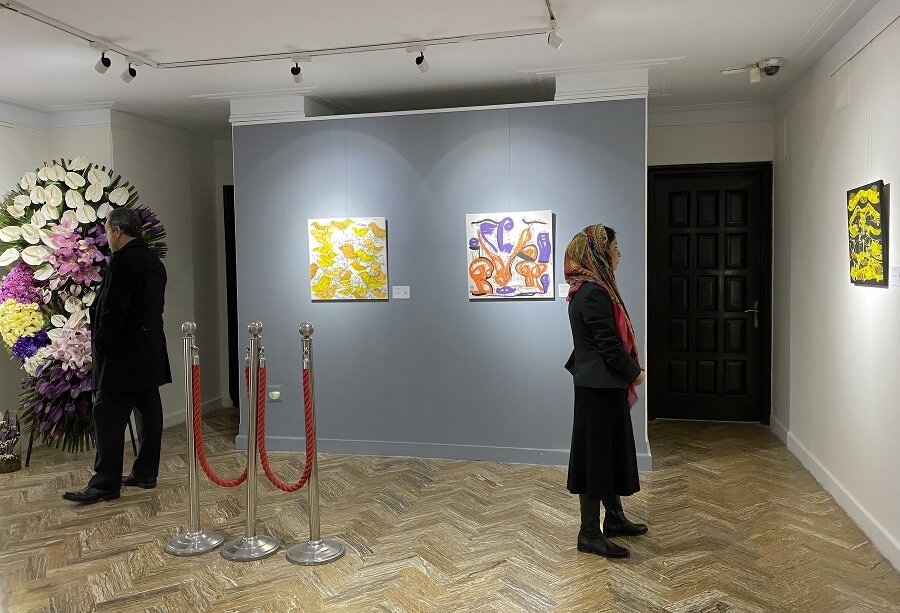
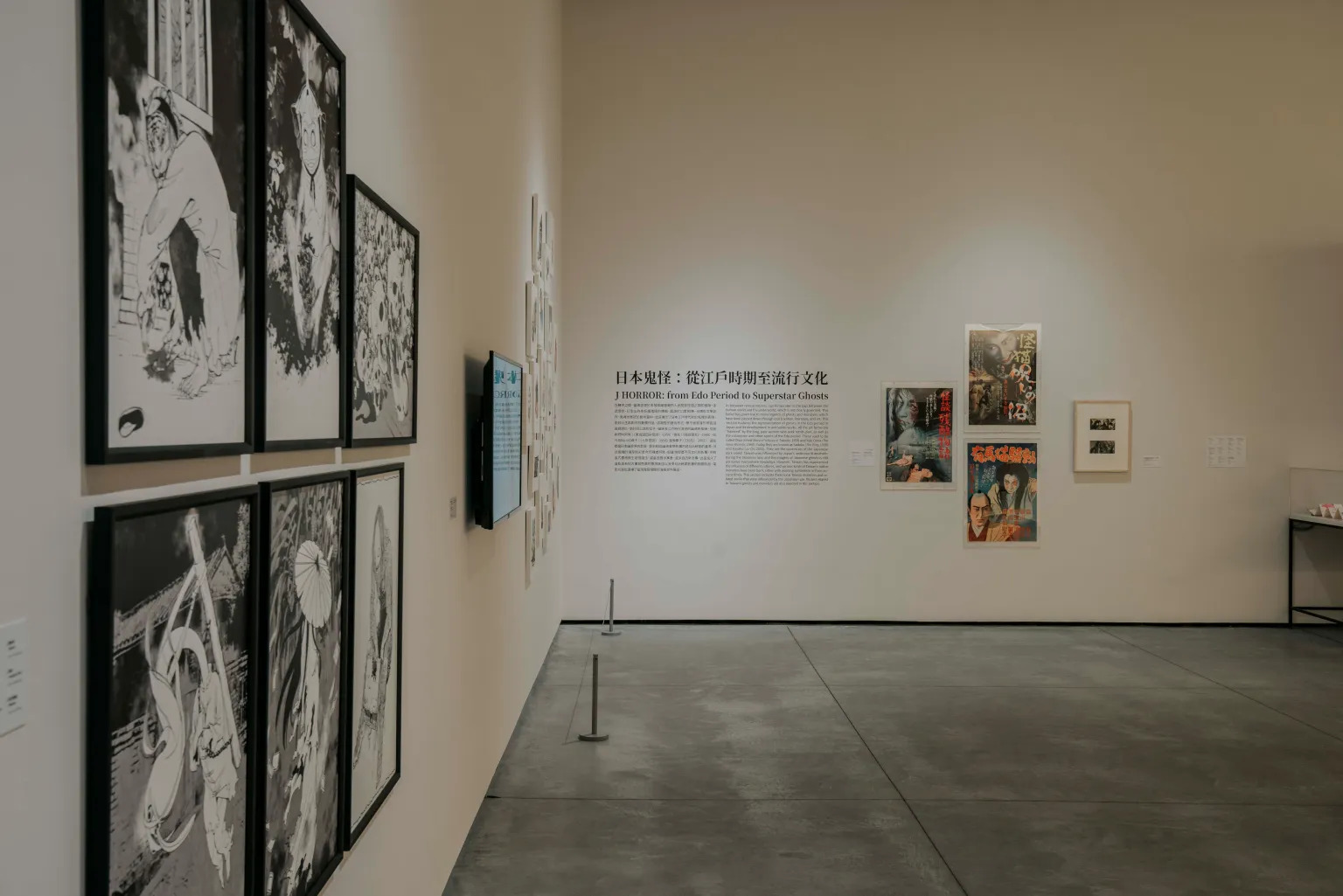
Miroslav Karić, curator of the Museum of Contemporary Art in Belgrade, and Nebojša Milenković, museum adviser of the Museum of Contemporary Art of Vojvodina, gathered a team of young artists in the Legat of Milica Zorić and Rodoljub ÄŒolaković. The works of nine authors - Pavel Banović, Milica Bilanović, Viktor Cvejić, Katarina Jovanović Allfa, Luka LiÄina, Nemanja Milenković, Konstantinos Patelis Milićević, Tijana Petrović and Adriene Ujhazi - were created in different media and fit harmoniously into the exhibition space, and the common denominator The very title of the exhibition "Attitudes and Forms: Art as a Form of Thought" is for them.
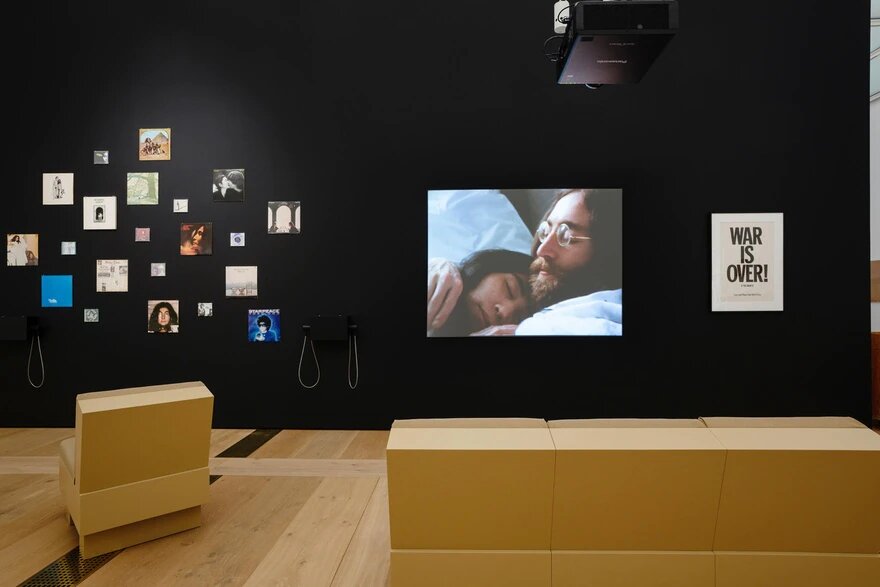
As a starting point for this exhibition, which lasts until October 8 and is also a platform for the exchange of opinions of that part of our art scene that will shape it in the future, the two curators took as a starting point some of the theses of the famous exhibition " You live in your head : When Attitudes Become Forms " by Harald Zeman from 1969. Actualization in the present time is reflected in the search for an answer to the question/dilemma whether, and to what extent, the experiences of new artistic practices of the sixties and seventies are present in the understanding of the art of authors of the younger generation (up to 30 years).
Why references to Zeman?
- This is certainly the most famous art exhibition as we know it today. At the time it was held, it was a kind of ideological platform for defining the stormy and far-reaching upheavals that took place in real time, both in art and society. By institutionalizing the new avant-garde, Zeman's curatorial gesture is also important for articulating the position of the curator himself, who is no longer a mere mediator but becomes a true actor of the art scene. Zeman's exhibition opened up space for the manifestation of art in everyday life, that is, what will be recognized as art in an expanded field. That "expansion" concerned, above all, the democratization of the (then) new art, which was reflected in the abandonment of conventions and the withdrawal of the sign of equality between the terms "art" and "life" - explains Milenković .
Together, the two then add that they did not choose the creators whose works were in front of the public according to any special key, but that, as Karić points out, they were interested in the works of young artists in whom they recognized a kind of echo of historical conceptual practices, that is, who were in accordance with the contexts of the times in which they live and they work, through art they seek expression and action based on processes, research, steps out of the media for which they were formally educated, contacts with science…