Artist Aïda Muluneh: ‘We were at the mercy of foreign photographers’
-
 Loading...
 - Adzo Asamoah
- 27 Jan 2023
- 100 Views
- 0 Like
- 0 Comment
Her bright, surreal works and her new photo-festival reclaim African agency over depictions of the continent
On the streets of Addis Ababa in Ethiopia, Aïda Muluneh’s photographs are popular with local businesses: printed from the internet and placed in windows as makeshift adverts for everything from hair salons to tour operators. “I think it’s hilarious — they could have chosen a photo of Beyoncé, but they chose to take my strange work because they saw something in it,” says the Ethiopian-born artist and entrepreneur, speaking on Zoom from Abidjan, Ivory Coast. “I usually call them up and tell them not to do it again — but that’s when you know you’ve reached people, when you’ve made an impact as an artist — when the work goes to every corner.”
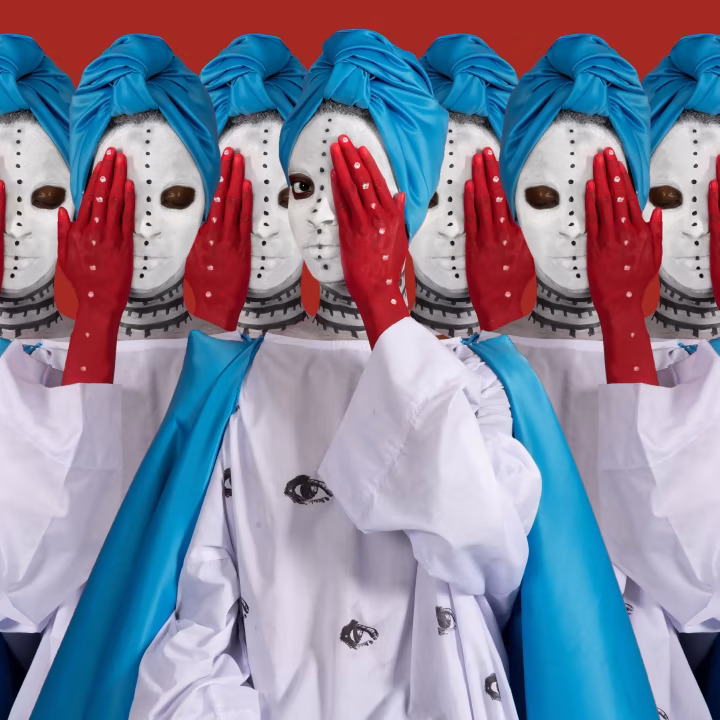
It’s easy to see the street appeal of Muluneh’s art. The crisp geometries of her choreographed scenes of female figures who have their skin painted with block colours are indebted to the bold graphic style of 20th-century west African studio photography, but with a surrealist twist. They also incorporate Ethiopian symbols, ancient African traditions such as body painting, landscapes and personal stories from her own family.
In her latest solo exhibition at Efie Gallery in Dubai, The Art of Advocacy, there are striking images from her 2018 commission for NGO WaterAid, shot on the salt flats of Dallol in Ethiopia, famous for its hydrothermal springs; the barren backdrop contrasts with majestic female figures inspired by women Muluneh saw carrying water.


Other works in Muluneh’s signature shades of canary yellow, pillar-box red and electric blue reflect concerns about conflict, disease and famine, but in a vastly different language from the images of Africa — depictions of starving bodies and land decimated by violence and nature — she was exposed to growing up abroad. “We were at the mercy of foreign photographers,” she says. Read More…