Australia football boss ‘confident’ rainbow armbands will be worn at 2023 World Cup
-
 Loading...
 - Liam Bakker
- 19 May 2023
- 65 Views
- 0 Like
- 0 Comment
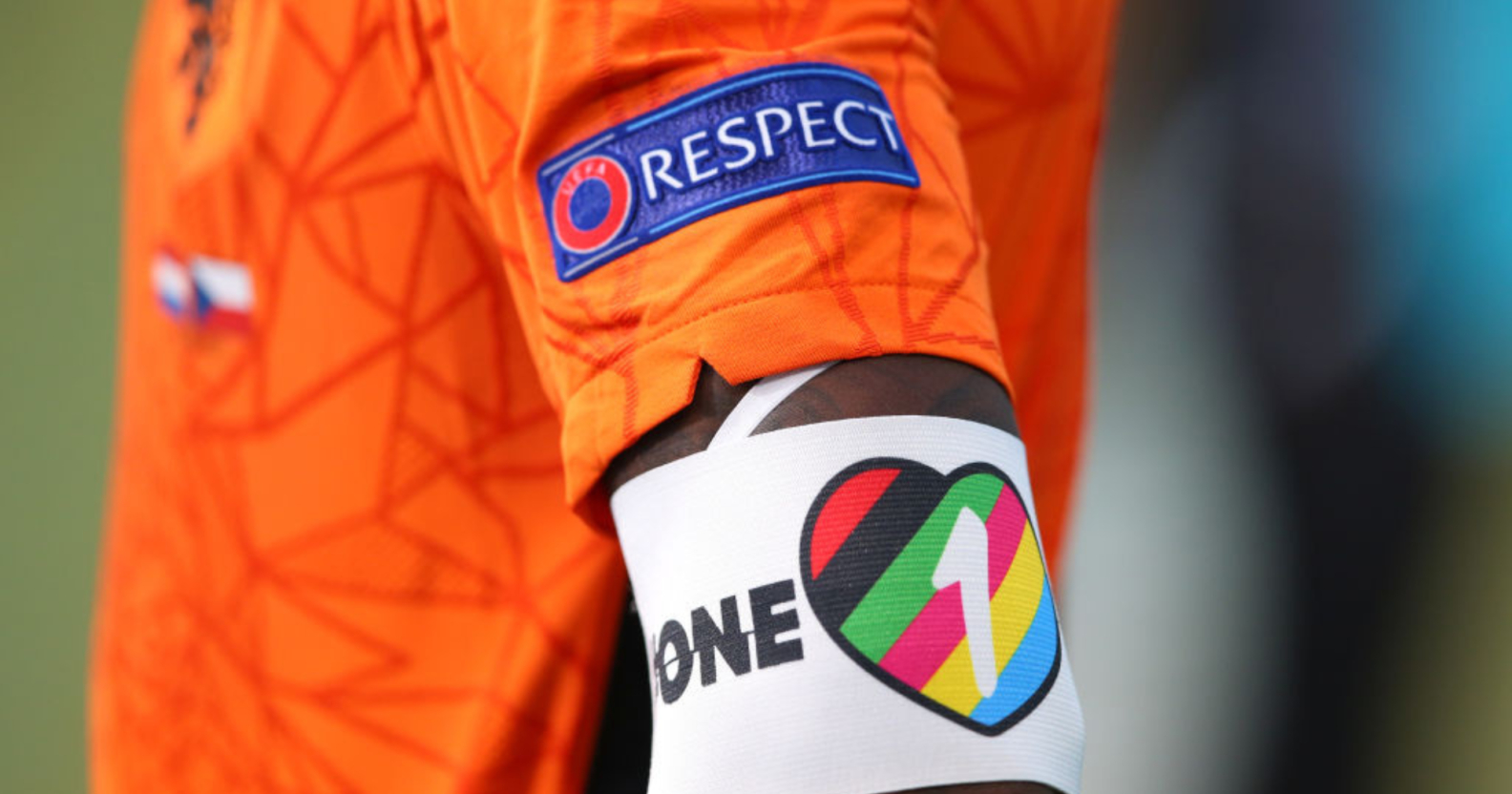
Australian football leader James Johnson expresses optimism regarding the permission for players to wear rainbow armbands at the upcoming women's World Cup. The use of OneLove armbands was prohibited at the 2022 Qatar World Cup due to the host country's harsh anti-LGBTQ+ laws. Players were warned that wearing these armbands could result in instant yellow cards and "sporting sanctions." Concerns have arisen that this ban might extend to the women's World Cup, scheduled to be held in Australia and New Zealand from July 20 to August 20, 2023. The International Federation of Association Football (FIFA) previously stated that no decision had been made concerning armbands.
However, Football Australia CEO James Johnson conveyed his confidence in an interview with The Observer on Saturday, April 13, asserting that FIFA would likely permit the use of rainbow armbands. He emphasized that their organization is not merely giving lip service but actively working towards a favorable outcome. Johnson expressed his belief that a resolution will be reached prior to the Women's World Cup, allowing players to express themselves in specific areas. This would ensure the satisfaction of players, the host nations, and FIFA.
Johnson clarified that Australian players would have the opportunity to wear armbands representing LGBTQ+ and Indigenous rights, as well as First Nation rights. However, he acknowledged that this may not be the case for players from all around the world. During the 2022 men's World Cup, six countries, including England, initially pledged to wear the OneLove armbands but later abandoned the plan due to the threat of yellow cards issued to team captains. While these countries were willing to face fines for violating kit regulations, they could not afford to have players penalized or forced to leave the field.
In response to criticism, FIFA officials urged players to prioritize their focus on football rather than imparting moral lessons. Johnson disclosed ongoing discussions aimed at preventing a similar situation from occurring in the future. He emphasized the importance of recognizing the players' desire to utilize their platform to advocate for issues important to them, citing the lessons learned from the Qatar World Cup. The competition rules in Qatar conflicted with the players' aspirations, and efforts are being made to avoid such conflicts in the future.
Leah Williamson, the captain of the England team (Lionesses), expressed their intention to wear the armbands during the tournament. Although Williamson will not be able to participate in the World Cup due to an injury, she emphasized their squad's commitment to promoting inclusivity and equality. Standing in solidarity with these values is crucial to the team, as they aim to make a positive impact not only in football but also in society at large.