Australian government's plan to protect Great Barrier Reef falls short, environment groups say
-
 Loading...
 - Kylie Smith
- 21 Dec 2021
- 439 Views
- 0 Like
- 0 Comment
The Morrison government has released an update to Australia’s cornerstone policy to protect the Great Barrier Reef as it tries to stop the ocean icon being placed on a list of world heritage sites in danger.
Environment groups said the updated Reef 2050 plan, released without fanfare late on Monday, fell short because it was linked to the government’s “inadequate” plan to cut greenhouse gas emissions.
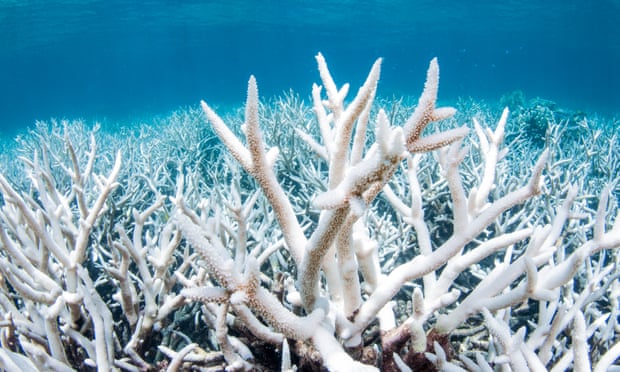
A foreword to the plan, co-signed by the federal environment minister, Sussan Ley, and Queensland’s minister for the Great Barrier Reef, Meaghan Scanlon, said the reef is under threat from marine heatwaves that caused three mass bleaching events in 2016, 2017 and 2020.
The ministers wrote: “These events, combined with other major impacts to the reef, have affected the communities and industries that depend on it for their livelihoods and way of life.”
Scientists are concerned about forecasts showing large parts of the central and northern sections of the reef could bleach again by the end of January.
The ministers wrote that the updated plan, the first major revision in five years, “provides a pathway for accelerated action to conserve the Reef’s Outstanding Universal Value, and we are committed to investing the time, effort and resources required to implement it”.
A key advisory group to the plan “expressed strong concern” last month at the delay to its release, which had been expected before the last world heritage meeting in July.
Guardian Australia understands that committee has been asked to make further recommendations for action that could be added to the plan before next year’s world heritage meeting, scheduled for June in Russia.
UN science advisers said earlier this year the reef should be placed on the “in danger” list, but a world heritage meeting in July ignored that advice.
Instead, the committee said a UN “reactive monitoring mission” should be held to assess the reef and the updated plan. That mission is still not scheduled but is expected in the first half of 2022.
The committee raised concerns about the effects of mass coral bleaching events and said there was insufficient progress on cutting pollution levels in the reef’s waters – a key measure scientists say will give corals better resilience against rising ocean temperatures.
Australia has to report back to Unesco on the state of the reef and its plans before 1 February next year.
The world heritage committee is scheduled next July to decide if the reef should go on the “in danger” list – a prospect the Morrison government has lobbied hard to avoid.
Richard Leck, head of oceans at WWF Australia, said: “This new plan shows the Australian government is failing to do all it can to keep the future of the reef as safe as possible, especially from climate change.
“The plan prioritises limiting the impacts of climate change by contributing to global efforts to reduce emissions. But it then repeats the inadequate commitments made by the prime minister at the recent climate conference in Glasgow.”
The Morrison government has set a target to reach net zero greenhouse gas emissions by 2050, but its plan to get there using investments in technology has been roundly criticised. Read More…