Scientists warn government must aim for faster transition to net zero to save Great Barrier Reef
-
 Loading...
 - Drew Hamilton
- 25 May 2022
- 288 Views
- 0 Like
- 0 Comment
Federal Labor has remained firm on its existing target of a 43 per cent reduction in emissions by 2030 and an aim of achieving net zero by 2050.
The government may secure a majority in the lower house but is likely to need support from the Greens and potentially former Wallaby David Pocock to pass contentious legislation in the Senate.
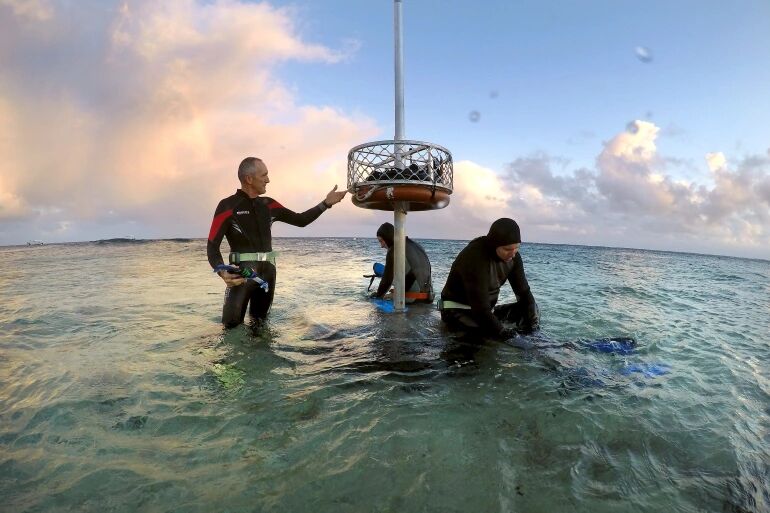
Selina Ward, a senior lecturer at the University of Queensland and academic director of Heron Island Research Station, said the election result left her "really hopeful and optimistic".
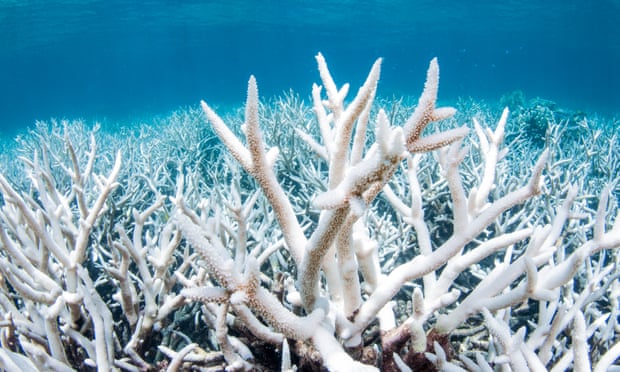
However, the expert in coral reproduction and recruitment has warned coral reefs' ability to recover from events like bleaching and cyclones depends on them having time to do so.
"Now, this is something coral scientists have been predicting for a long time – that bleaching events would become more frequent if we didn't reduce emissions dramatically."
The Great Barrier Reef Marine Park Authority's recently published annual snapshot this month confirmed the reef experienced its fourth mass bleaching event in seven years.
It was the first to occur under typically cooler and darker La Niña conditions.
"That really tells us in no uncertain terms that any year now is potentially a bleaching year," Dr Ward said.
Restoration alone not enough
The new government has promised to spend an extra $194 million over four years to improve the reef's water quality, reduce plastic pollution and limit nutrient run-off, along with more restoration work.
"Those things are, of course, important, but without strong climate change action, they won't save the reef by themselves," Dr Ward said.
Lissa Schindler from the Australian Marine Conservation Society said the government's existing emissions reduction target was in line with a 2C warming scenario under which "we will lose 99 per cent of coral reefs".
"What science is telling us is we need 75 per cent by 2030 to limit warming to 1.5C [degrees]," Dr Schindler said. Read More…