Bacterias and how they become Antimicrobial Resistant
-
 Loading...
 - stanley scarlett
- 05 Jun 2023
- 67 Views
- 0 Like
- 0 Comment
Antimicrobial Resistance is a growing concern in the field of healthcare and microbiology. The rise of antibiotic-resistant bacteria poses a significant threat to public health, as it limits the effectiveness of antimicrobial treatments. Understanding the mechanisms behind the development of antimicrobial resistance is crucial in combating this global issue. In this article, we will delve into the various aspects of bacterias and how they become antimicrobial resistant, exploring the factors contributing to their resistance and potential strategies to mitigate the problem.
Understanding Bacterias
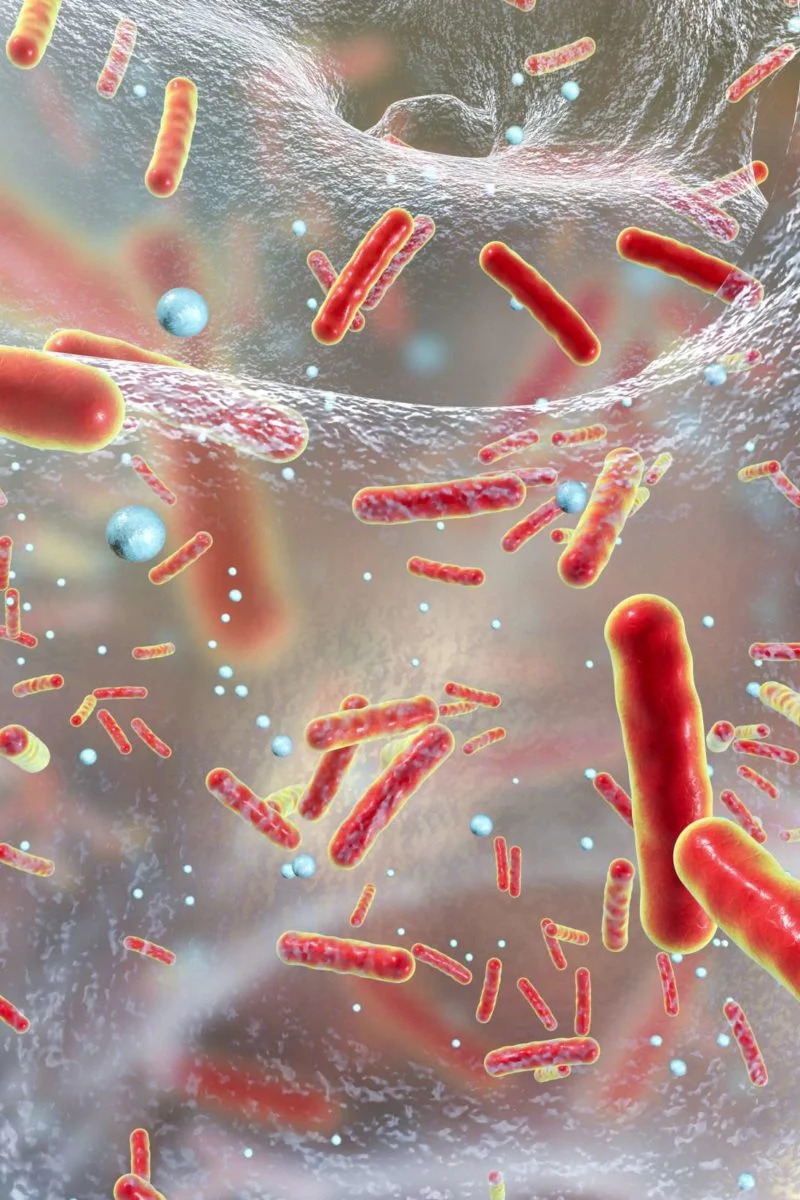
Bacterias, also known as bacteria, are single-celled microorganisms that can be found virtually everywhere. They come in different shapes and sizes, and while some bacteria are harmless, others can cause severe infections and diseases. Bacteria have a remarkable ability to adapt and survive in various environments, which is one of the reasons why they have become so successful in nature.
Structure and Characteristics of Bacterias
Bacterias are prokaryotic organisms, meaning they lack a true nucleus and membrane-bound organelles. Instead, their genetic material is located in a region called the nucleoid. Bacteria have a cell wall that provides structural support and protection. Some bacteria have an additional outer layer called the capsule, which helps them evade the immune system.
Bacterial Reproduction and Mutation
Bacterias reproduce through binary fission, a process in which a single bacterium divides into two identical daughter cells. This rapid reproduction rate allows bacteria to evolve quickly and acquire new traits. Mutations, which are random changes in the bacterial DNA, play a significant role in the development of antimicrobial resistance.
Antimicrobial Resistance: A Growing Threat
Antimicrobial resistance occurs when bacteria develop the ability to survive and grow in the presence of antimicrobial agents, such as antibiotics. This phenomenon renders the drugs ineffective, leading to prolonged illnesses, increased healthcare costs, and higher mortality rates. The misuse and overuse of antimicrobial agents contribute significantly to the emergence of resistant bacteria.
Factors Contributing to Antimicrobial Resistance
Several factors contribute to the development of antimicrobial resistance in bacteria:
1. Overprescription of Antibiotics: Inappropriate or excessive use of antibiotics, such as prescribing them for viral infections, can promote the growth of resistant bacteria.
2. Incomplete Antibiotic Courses: Not completing a full course of antibiotics allows some bacteria to survive, potentially leading to the development of resistance.
3. Misuse in Agriculture: The use of antibiotics in livestock farming can contribute to the spread of antimicrobial-resistant bacteria through the food chain.
4. Lack of New Antibiotics: The development of new antibiotics has slowed down in recent years, creating a gap in effective treatment options.
Mechanisms of Antimicrobial Resistance
Bacteria employ various mechanisms to become resistant to antimicrobial agents. Some common mechanisms include:
1. Mutations: Spontaneous mutations in bacterial DNA can lead to the production of enzymes that inactivate antibiotics or alter the target site, making them less susceptible to the drug's effects.
2. Horizontal Gene Transfer: Bacteria can acquire resistance genes from other bacteria through horizontal gene transfer. This process allows the rapid spread of resistance genes within bacterial populations.
3. Efflux Pumps: Bacteria may possess efflux pumps that actively pump out antibiotics from their cells, reducing their concentration and effectiveness.
FAQs
Q: Can bacteria become resistant to all antibiotics?
A: While it is theoretically possible, bacteria can develop resistance to multiple antibiotics, making them difficult to treat.
Q: Can antimicrobial resistance be reversed?
A: Partial reversal of antimicrobial resistance is possible by employing strategies such as antibiotic stewardship and infection prevention measures.
Q: Are all bacteria naturally resistant to antimicrobials?
A: No, not all bacteria are naturally resistant. Resistance is acquired through genetic changes or the acquisition of resistance genes.
Q: How can we prevent the development of antimicrobial resistance?
A: Preventing antimicrobial resistance requires responsible use of antibiotics, improved infection control practices, and the development of new antimicrobial agents.
Q: Is antimicrobial resistance a global problem?
A: Yes, antimicrobial resistance is a global problem that affects people of all ages and socioeconomic backgrounds.
Q: What role can individuals play in combating antimicrobial resistance?
A: Individuals can contribute by using antibiotics only when necessary, completing the full course as prescribed, and practicing good hygiene.
In conclusion,, Antimicrobial Resistance pose a significant challenge to modern medicine. Understanding the factors contributing to antimicrobial resistance and the mechanisms employed by bacteria is crucial in developing effective strategies to combat this growing problem. By promoting responsible antibiotic use, investing in research for new antimicrobial agents, and implementing infection control measures, we can work towards preserving the effectiveness of antibiotics and ensuring a healthier future for generations to come.