Nigerian Scientist Wages War on Medical Condition Deadlier than Cancer
-
 Loading...
 - Shola Rufai
- 28 Apr 2023
- 77 Views
- 0 Like
- 0 Comment
From his first class in microbiology from the Federal University of Technology, Akure, Nigeria, in 2019, to becoming one of the leading graduate student scientists at Bowling Green State University, Ohio, Jeremiah Adesanya is on the rise with research to discover novel antibiotics against drug-resistant bacteria.
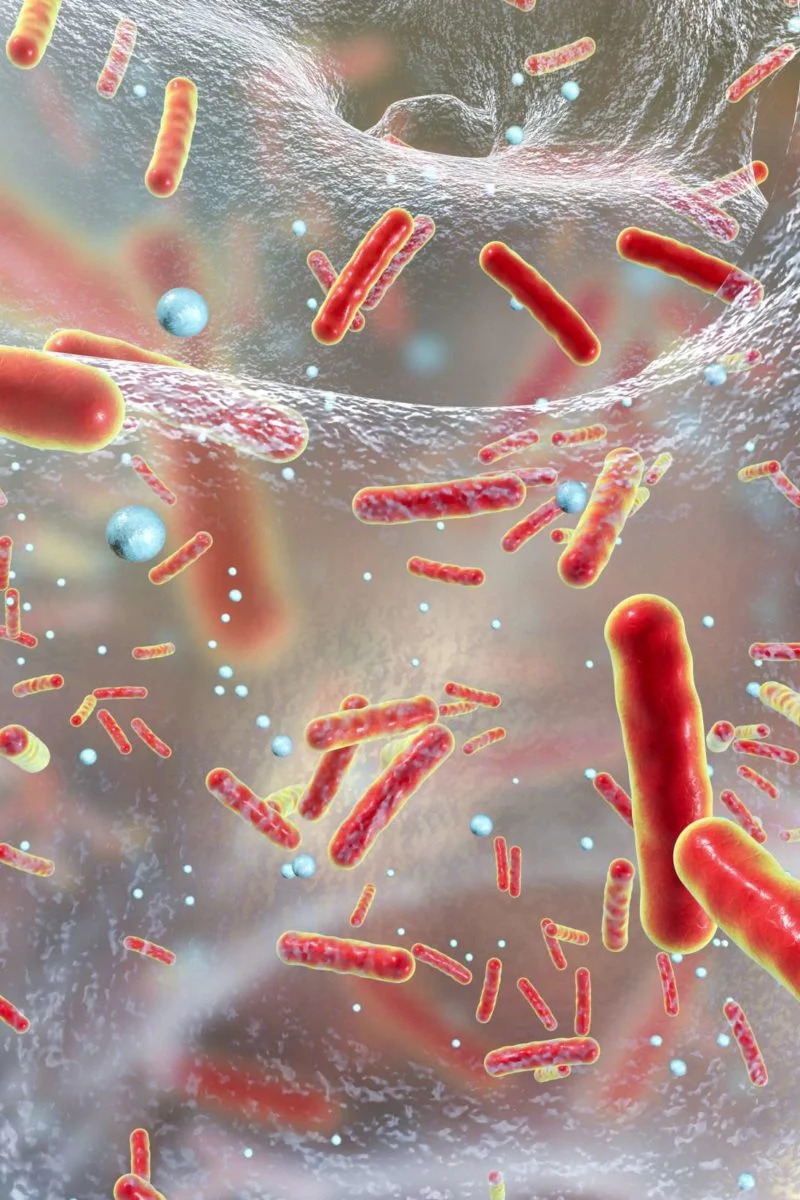
Antimicrobial or antibiotic resistance occurs when germs and bacteria develop shields to drugs administered to kill them. This situation has now become a global public health emergency because of this rapid increase in antibiotic-resistant bacteria. Antibiotic-resistant bacteria were responsible for about five million deaths globally in 2019, according to the United States of America’s Centre for Disease Control and Prevention (CDC). That number keeps rising drastically.
Adesanya who is currently completing his Master’s program at the Wildschutte lab at Bowling Green State University in the US says that big pharmaceutical companies are not doing enough to further research in Antimicrobial Resistance (AMR) but notes that his research focus is centered on finding novel antibiotics from bacteria around us.
“It is not news anymore that we are heading into a major public health crisis caused by resistant pathogens. Current research work cuts across applied microbiology, molecular biology, and biotechnology areas. Currently, no big pharmaceutical company is involved in research to find new antibiotics hence there is no new antibiotic to reduce the rate of antibiotic resistance. My research aims to find novel antibiotics from bacteria which are found in our environment to contribute a new source of treatment and reduce the rate of resistance.” Says Adesanya.
In 2022, the globally renowned medical journal, The Lancet published its research on Antimicrobial Resistance (AMR) with a warning for Nigeria and West Africa. According to The Lancet, Western Sub-Saharan Africa recorded the most amount of this deadly impact with 27.3 deaths per 100 000 (20.9–35.3) attributable to AMR and 114.8 deaths per 100 000 (90.4–145.3) associated with AMR. Adesanya corroborates the future consequences of this report if nothing urgent is done.
“It is predicted that deaths attributed to resistant infection could be as high as 10 million worldwide per year if nothing is done to prevent it. One of the means to remedy this public health crisis is to prepare new forms of treatments which is the primary goal of my research. Several other forms of treatment such as bacteriophage therapy are also being explored to contribute a solution,” he said. Read More…