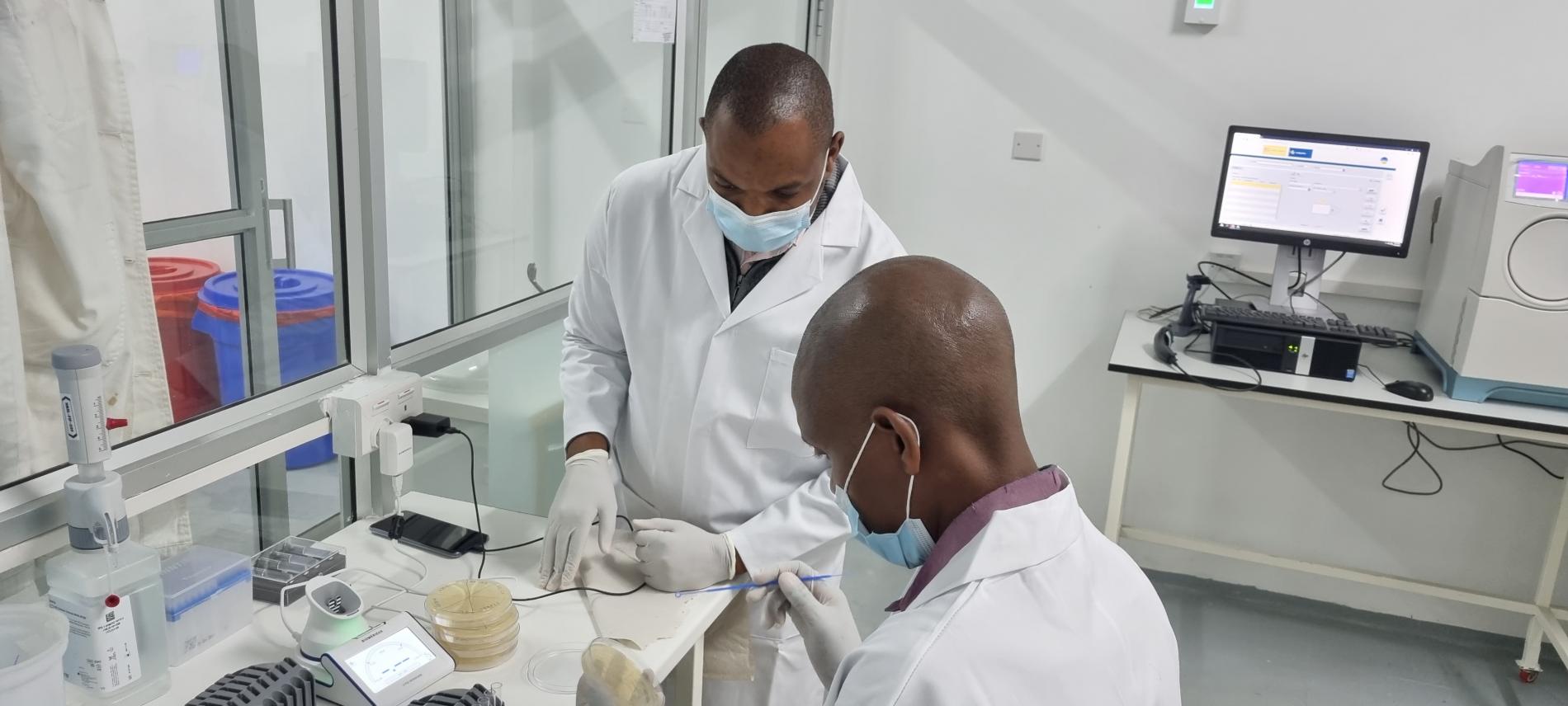
Answering the challenges posed by antimicrobial resistance

Staphylococcus aureus is the source of a skin infection that can turn deadly if drug resistant. Estimates regarding the most common resistant variation, methicillin-resistant Staphylococcus aureus (MRSA), exceed 100,000 deaths globally in 2019.
But up until recently, we did not have a solid grasp on how much of a problem MRSA—or any other antimicrobial resistant pathogen—was in Africa. It turns out, after testing 187,000 samples from 14 countries for antibiotic resistance, our colleagues found that 40% of all Staph infections were MRSA.
Africa, like every other continent, has an AMR problem. But Africa stands out because we have not invested in the capacity and resources needed to determine the scope of the problem, or how to fix it. Take MRSA. We still don’t know what’s causing the bacteria to become resistant, nor do we know the full extent of the problem.
We are failing to take AMR seriously, perhaps because it is not glamorous and relatable. The technology that we currently use to identify resistant pathogens is not fancy or futuristic looking.
Combatting AMR does not involve miracle drugs, expensive treatments, or fancy diagnostic tests. Instead, we have bacteria and other pathogens that are commonplace and have learned how to shrug off the good old medicines that used to work.
The global health and pharmaceutical industries do not seem to consider solving this problem to be very profitable. Compare that to the urgency of solving COVID-19, which has been embraced—and interventions such as diagnostics subsidized—by governments eager to end the pandemic. The COVID-19 response has been characterized by innovations popping up literally every other week.
Why can’t we mobilize resources and passion for AMR? Are resistant pathogens too boring? Is it too difficult to solve through innovations? Does this make prospects for quick wins and fast return on investment too elusive for AMR, especially when compared to COVID-19 or other infectious disease outbreaks? Read More…