Belarusian Fiction ‘Red Crosses’ Creates Story with Confusion
-
 Loading...
 - Tyler Adams
- 18 Mar 2025
- 20 Views
- 0 Like
- 0 Comment
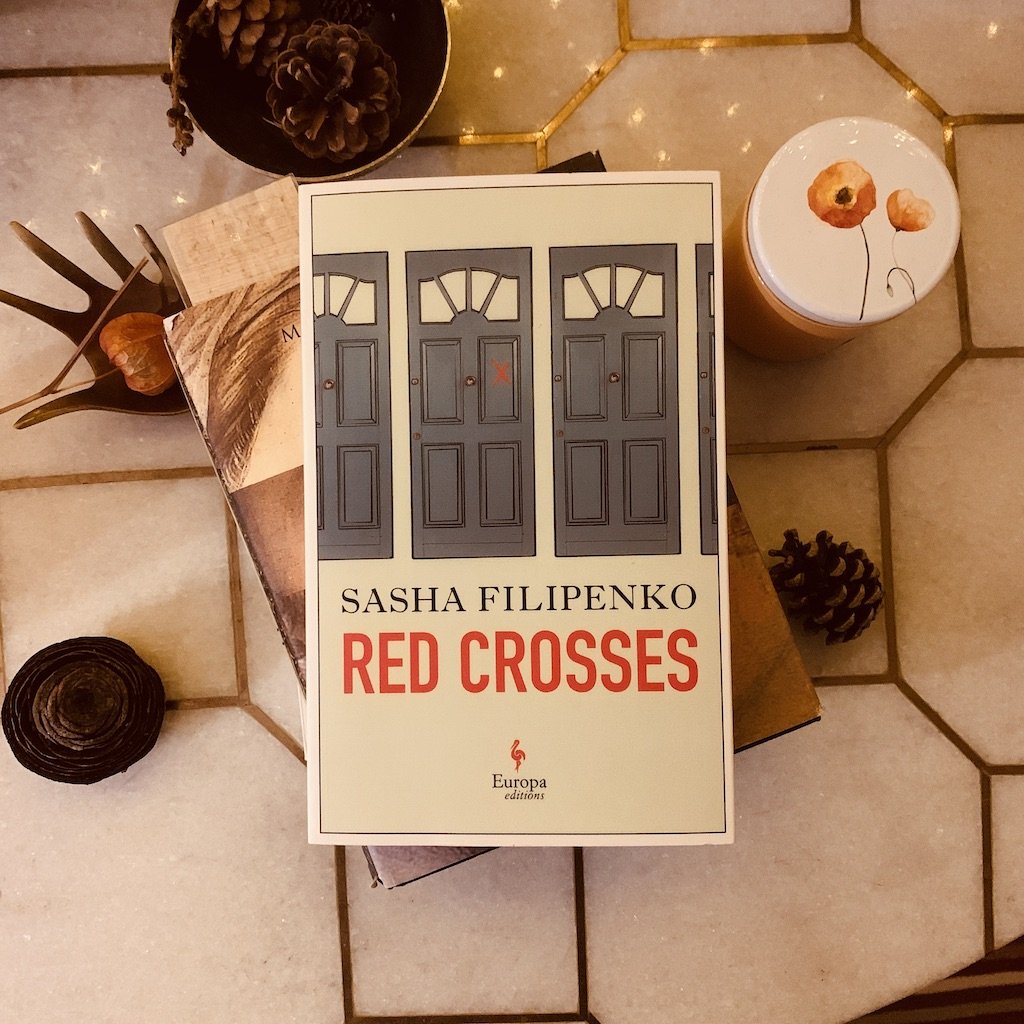
Sasha Filipenko’s novel, Red Crosses, is a compelling exploration of a century of Russian history, encapsulated within a mere 200 pages. This experimental work employs three distinct narrators, one of whom intriguingly acts as a censor, reminiscent of the Soviet-era Goskomizdat, while another utilizes an epistolary format, sending letters that go unanswered. Through an absurdist lens, Filipenko delves into the harsh realities of the gulags and the inherent failures of a bureaucratic system that seems destined for collapse.
Filipenko, born in Belarus in 1984, experienced the tail end of the Soviet Union, which informs the imaginative depth of the narrative. The central character, Tatyana Alexeyevna, is a 90-year-old woman grappling with the early stages of Alzheimer’s. Her life story spans the entirety of Soviet history, from her role as a typist for the People’s Commissariat of Foreign Affairs to her harrowing experiences as a political prisoner following her husband’s alleged defection to the West after World War II. Tatyana’s journey is marked by bureaucratic cruelty and the relentless pursuit of maintaining a façade of political idealism.
Her narrative is punctuated by trauma, including a violent interrogation that results in the loss of her child, who is sent to an orphanage. At just 35, Tatyana is sentenced to 15 years of hard labor, becoming part of the Soviet “anatomical theater,” where she is paraded before guards and fellow prisoners in a grotesque display that mocks the very notion of dignity.
Fragmented Narratives and Memory
Filipenko employs a fragmented storytelling technique, weaving Tatyana’s experiences through a collage of poems, telegrams, government memos, medical records, and oral histories. This disjointed narrative structure reflects Tatyana’s deteriorating memory and raises questions about the reliability of her account. As she recounts her life, she becomes increasingly curious about Sasha, one of the narrators, who attempts to piece together her fragmented story. Their interactions are marked by tension, as Sasha’s impatience with Tatyana’s digressions reveals the complexities of their relationship.
While Sasha’s character is fleshed out with details about his life, including his profession as a soccer referee, this focus detracts from Tatyana’s poignant history. The novel’s structure creates a rhythm that is intentionally jarring, forcing readers to navigate between past and present, truth and memory. This confusion serves to highlight the scars left by trauma and the bureaucratic indifference that often accompanies it.
The Impartiality of Violence
One of the most disturbing aspects of Red Crosses is the clinical portrayal of violence. A medical examination following Tatyana’s brutal interrogation is stripped of humanity, presented in antiseptic terms that emphasize the coldness of the system. This detachment underscores the lasting impact of trauma, suggesting that while physical wounds may heal, the emotional scars remain indelible.
Memory as a Central Theme
At its core, Red Crosses grapples with the nature of memory. Filipenko poses the question: Is this a story of memory, or is it a memory of a story? The interplay between Tatyana’s recollections and Sasha’s inquiries creates a dynamic tension that reflects the struggle to reconcile personal history with collective trauma. Memory becomes both a burden and a symbol, representing the enduring impact of suffering and the resilience of the human spirit.
Sasha Filipenko’s Red Crosses is a thought-provoking exploration of Soviet history through the lens of personal experience and collective memory. The novel’s fragmented narrative and complex character dynamics invite readers to reflect on the nature of truth, the scars of trauma, and the enduring power of memory. As Tatyana’s story unfolds amidst the chaos of her recollections, Filipenko masterfully illustrates the profound impact of history on individual lives, leaving readers with a haunting reminder of the past and its lingering effects on the present.