Belgium's inflation rate has dropped below 3% for the first time since January
-
 Loading...
 - Leopold Becker
- 30 Aug 2024
- 99 Views
- 0 Like
- 0 Comment
Belgium's inflation rate has dropped below 3% for the first time since January, falling to 2.86% in August, according to Statbel, the Belgian statistics service. This indicates that the cost of living is now 2.86% higher than it was a year ago. The drop marks a significant decline from June's peak inflation rate of 3.74% and last month's 3.64%. The European Central Bank (ECB) targets an inflation rate of around 2%.
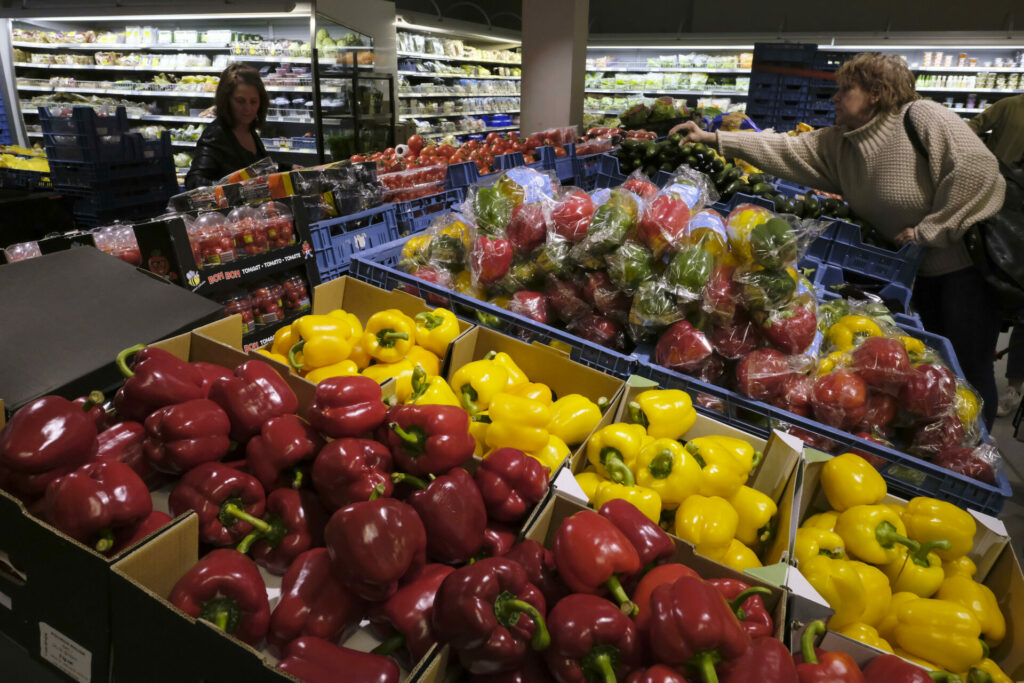
A notable aspect of this decrease is the sharp drop in food inflation, which has fallen to just 0.04% this month, down from 0.54% in July. This suggests that food prices have barely increased compared to a year ago, a dramatic change from March, when food inflation was as high as 17%.
The health index, used for calculating wage indexation, social benefits, and rents, also decreased, dropping to 3.20% from 3.60% last month.
In August, the main price increases were observed in tobacco, private rent, non-alcoholic beverages, hotel rooms, clothing, and restaurants and cafes. Conversely, motor fuels, household appliances, flowers and plants, vegetables, and natural gas saw price decreases.
Energy inflation remains high, with electricity prices up by 11.3% and natural gas by a staggering 103% compared to last year. This is primarily due to the phasing out of support measures from the previous year's energy crisis, an effect expected to persist until February 2025.
Fuel inflation, however, has improved, decreasing from 14% in July to 6.96% in August, with motor fuels and heating oil now 9.3% cheaper than a year ago.
Core inflation, which excludes the more volatile prices of energy products and unprocessed foods, also decreased, falling from 3.04% in July to 2.73% in August.