Black and White Photography: The Beginner's Guide
-
 Loading...
 - Cassi Garga
- 25 Aug 2022
- 77 Views
- 0 Like
- 0 Comment
In this era of ubiquitous high-resolution color screens, it seems hard to recall that photography established itself without color. The medium earned its position in the worlds of journalism, popular culture, and fine arts long before Kodak introduced color film. But this does not relegate black-and-white photography to the basement. The genre remains powerful, present, and widely practiced today, with both film and digital cameras.
Digital photography makes monochrome (aka black-and-white) photography simple and nondestructive. Post-processing software offers instant color-to-monochrome conversion and the adjustment tools to make a photo look natively black-and-white. While you can leave your camera in color mode to go shoot in monochrome, you will need to change the way your eye registers a scene.
Here’s a guide to black-and-white photography, from the photographer’s eye to post-processing.
Why Shoot in Black-and-White?
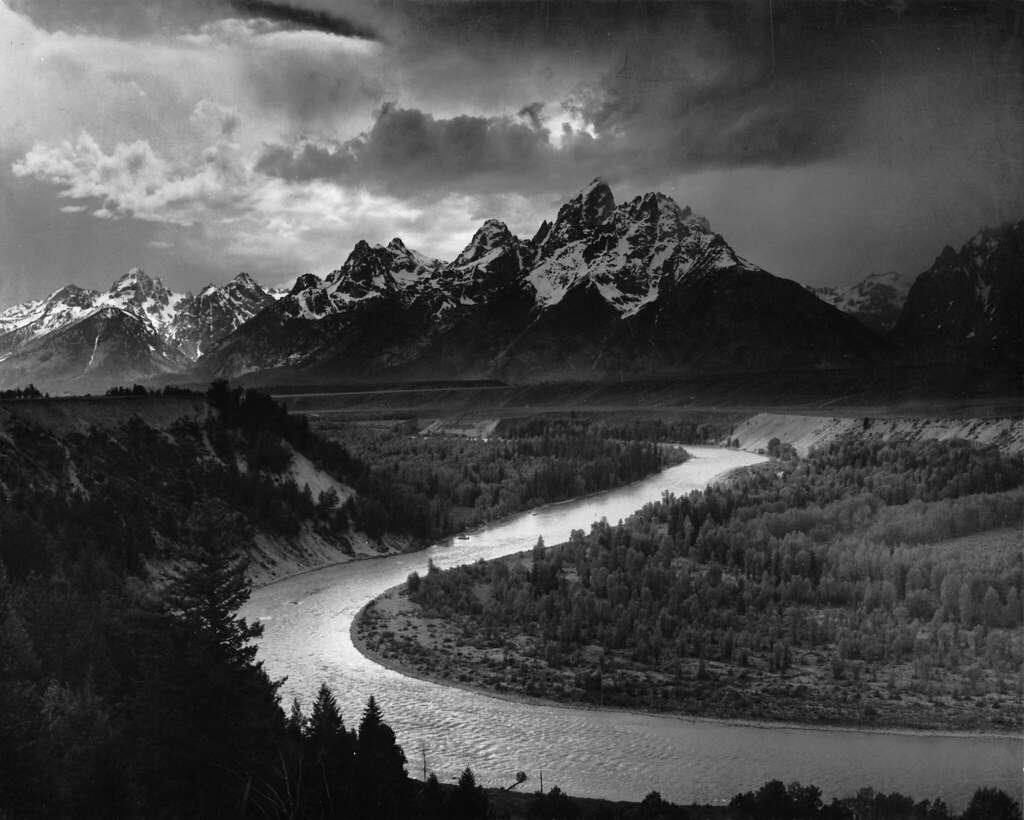
Some seek the classic, “timeless” look inherent to monochrome photos, as represented by the likes of Sebastião Salgado, Henri Cartier-Bresson, or Ansel Adams, whose iconic image of the Tetons is shown above. Others wish to focus viewers’ attention on elements such as contrast, texture, and form. Plenty of reasons exist for pursuing monochrome images today, yet the genre remains so established within photography — it represents the core, the foundation of photography — that no excuse is needed to produce black-and-white photos.
This wasn’t the case when color photography arrived. Color film had to prove its worth against its monochrome predecessor, which it clearly did. Both camps represented photography on their own terms: Color photos show viewers what something looked like, while black-and-white shows how it felt.
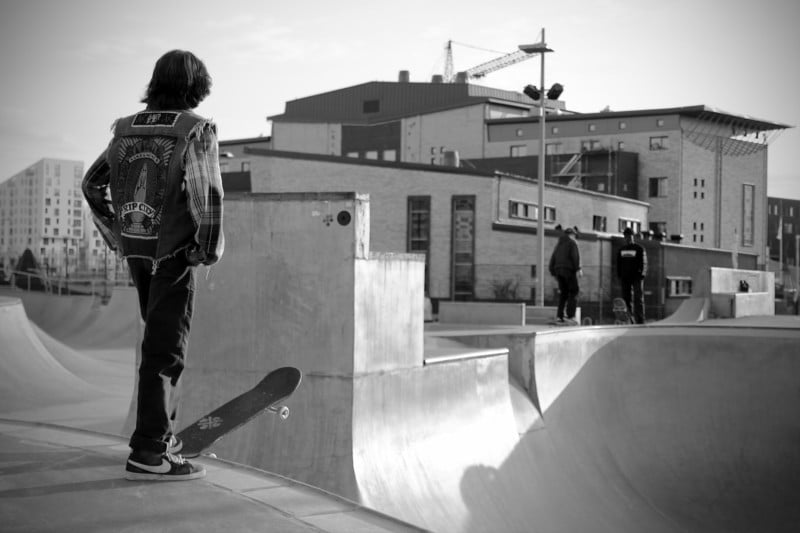
This isn’t to say that color photos lack feeling. In fact, colors bring so much emotion, each color representing various emotions for different cultures, that color can sometimes overwhelm the message a photographer seeks to deliver. When color begins to distract from the photograph’s intention, it is best left as shades of gray.
What to Look for in a Black-and-White Scene
The trained monochrome eye can estimate how certain hues and luminances would render in black-and-white. A beginner can simply look for contrast, the juxtaposition of darks and whites in a scene. Monochrome photography relies on contrast for visual strength. The human eye is programmed to pick up on contrast, perhaps helping our primal ancestors discern fruit amongst a canopy of leaves. This partly explains our continued appreciation for black-and-white images. Read More...