Bolivia has a soy deforestation problem. It’s worse than previously thought.
-
 Loading...
 - Anna Russell
- 22 Feb 2023
- 66 Views
- 0 Like
- 0 Comment
Mennonites, often searching for new land to expand their simple, rural lifestyles, have founded hundreds of communities across Latin America over the last century. In forested areas, particularly the Amazon, that’s become a problem when the communities clear trees to make room for agriculture — sometimes thousands of acres at a time.
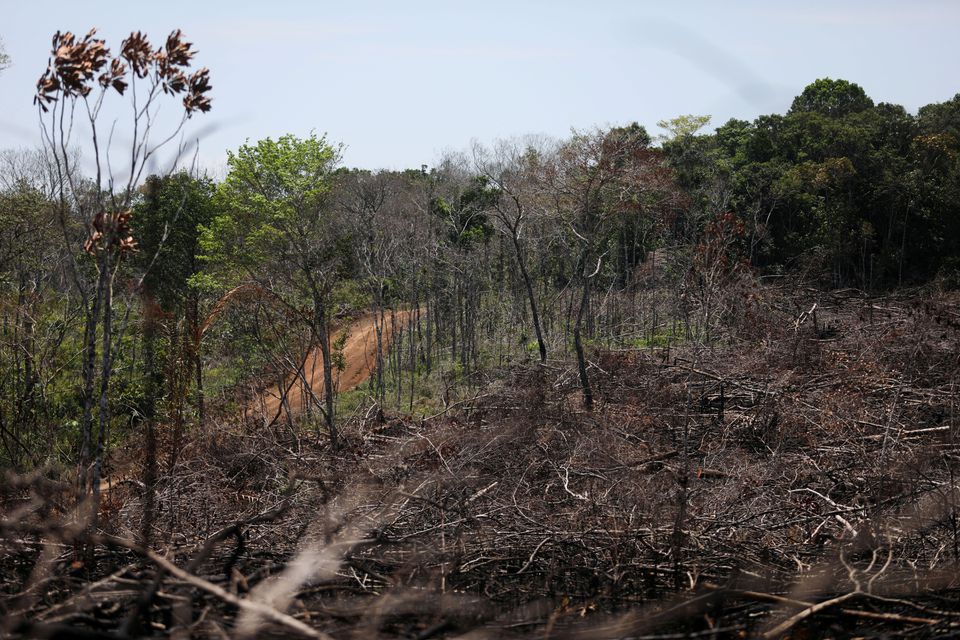
Bolivia has felt the brunt of the impact in recent years. Mennonite soy farms have been a main driver of deforestation in the Beni and Santa Cruz departments, where vulnerable areas like the dry forest biome of Chiquitanía are already suffering from drought and fires caused by climate change.
“What’s happened over the last thirty years is a consolidation of the Mennonites, which is also transforming the forest,” said Daniel Larrea, science and technology program coordinator with Conservación Amazonica in Bolivia.
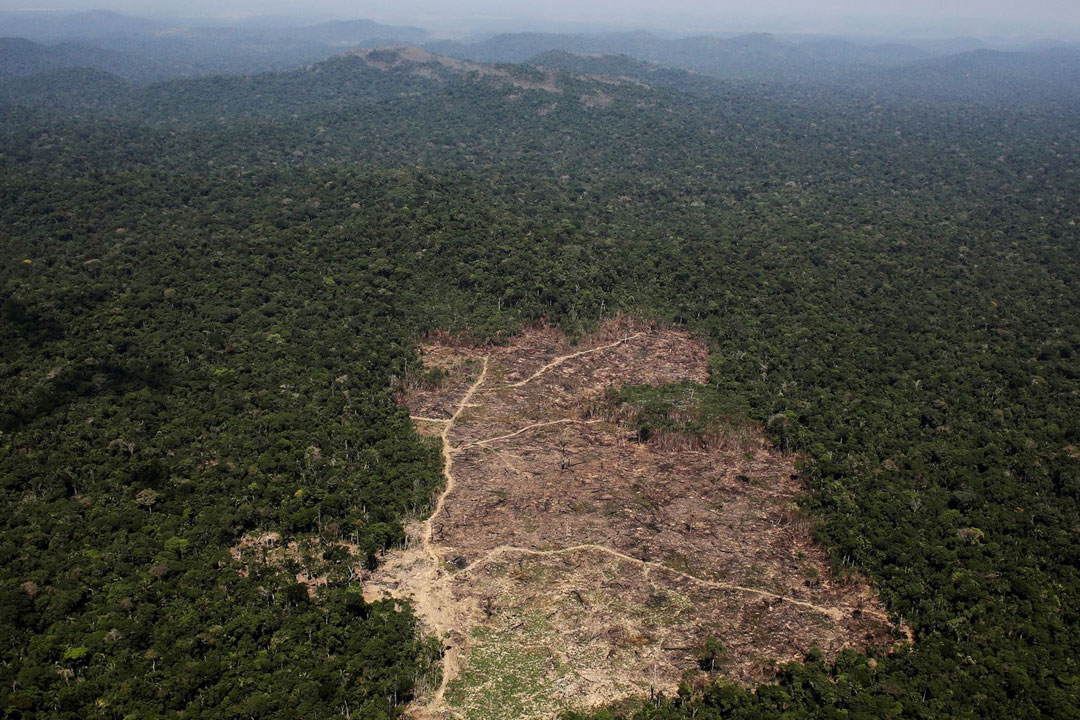
Recently released satellite data shows that soy plantations were responsible for over 900,000 hectares (2.2 million acres) of deforestation between 2001 and 2021, or a land mass roughly the size of Vermont, according to two new reports from NGO Amazon Conservation. Mennonites were responsible for around a quarter of it, or 210,980 hectares (521,344 acres), with activity increasing in the last five years.

The figures come from a new Global Forest Watch data set on soy plantations, which was merged with forest loss imagery to determine soy-driven deforestation. Analysis of the data was conducted by Amazon Conservation’s Monitoring of the Amazon Project (MAAP).
Mennonites arrived to Bolivia in the 1950s but didn’t find a strong foothold in the country until the 1990s, when many of the communities started to expand through the legal acquisition of land titles. There’s no limit on the amount of land that a foreign resident can own in Bolivia, and many Mennonites have learned how to work quickly and legally in the country’s land purchasing system, according to Larrea. Read More…