Bolivia’s Busy Month: From Coup Attempt to Mercosur
-
 Loading...
 - Matilde Bizzaro
- 30 Jul 2024
- 51 Views
- 0 Like
- 0 Comment
Over the past month, Bolivia has captured international attention for a range of significant events. From a failed coup attempt in June to its recent move to join the South American customs union Mercosur, Bolivia has made headlines. Additionally, the discovery of a substantial natural gas field has further highlighted the country's growing importance in Latin America’s economic and political landscape.
In June, Bolivia faced a failed coup attempt that exposed internal rifts within its ruling Movement for Socialism (MAS) party. This event underscored the political tensions and instability that have been simmering within the country. While the coup was unsuccessful, it raised concerns about the unity and future direction of the MAS party and the country's governance.
In early July, Bolivia filed the necessary paperwork to become a full member of Mercosur, a significant step that has been in the works for several years. Prior to Bolivia’s accession, Mercosur included Argentina, Brazil, Paraguay, and Uruguay, with Venezuela suspended since 2016. Bolivia is the first new member to join the bloc in over a decade.
Bolivia's entry into Mercosur is seen as a strategic move that can enhance its economic and political influence in the region. The country’s abundant natural resources, including natural gas and vast salt flats rich in minerals like lithium and potassium, are valuable assets for the bloc. Bolivia’s lithium reserves, among the largest in the world, are particularly noteworthy as the demand for this mineral grows globally.
Bolivia’s inclusion in Mercosur has already spurred plans for joint infrastructure projects, such as a new road linking Brazil, Bolivia, and Peru. This road aims to facilitate trade across the continent and improve connections to Pacific ports, enhancing Bolivia's trade routes to Asia. Furthermore, Bolivia and Brazil have agreed to cooperate on developing components for fertilizers, reflecting the deepening economic ties within the bloc.
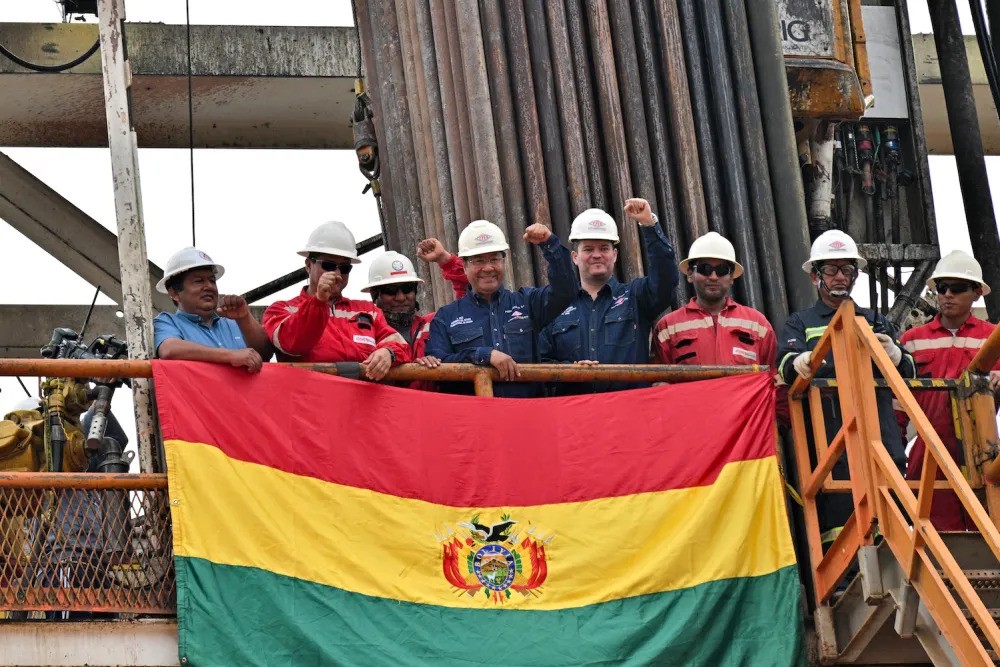
Last week, President Luis Arce announced the discovery of a natural gas field with a market value estimated at $6.8 billion. This discovery is a significant boost for Bolivia, which has seen a decline in natural gas production in recent years. The new gas field could help rejuvenate the country's hydrocarbon sector and contribute to its economic growth.
Bolivia’s recent developments have significant economic and political implications. The country's integration into Mercosur is expected to bring economic benefits, including increased trade and investment opportunities. However, challenges remain, including managing internal political tensions and ensuring sustainable economic policies.
The International Monetary Fund (IMF) projects a modest economic growth rate of 1.6% for Bolivia this year. The government's focus on subsidies to control consumer prices has strained the central bank's reserves, highlighting the need for sound economic management. The recent natural gas discovery is promising, but economists caution that effective management and transparency are crucial for leveraging this resource for long-term benefits.
Bolivia's political stability remains a critical factor in its future prospects. The failed coup attempt in June highlighted the fragility of the current political landscape. Moving forward, the country’s leaders must navigate these challenges while leveraging new opportunities such as Mercosur membership and the natural gas discovery to bolster Bolivia’s economic and political standing in the region.
Bolivia's eventful month has placed it in the spotlight, showcasing its potential and challenges on the global stage. The combination of political upheaval, strategic economic moves, and natural resource discoveries marks a pivotal moment for the country. As Bolivia integrates further into Mercosur and explores new economic opportunities, its role in Latin America’s economic and political map is set to expand. However, achieving sustainable growth and stability will require careful management and a focus on internal unity and governance.