Boric's Pension Reform Enters Final Countdown in the Senate
-
 Loading...
 - Olivia Lehtinen
- 12 Dec 2024
- 41 Views
- 0 Like
- 0 Comment
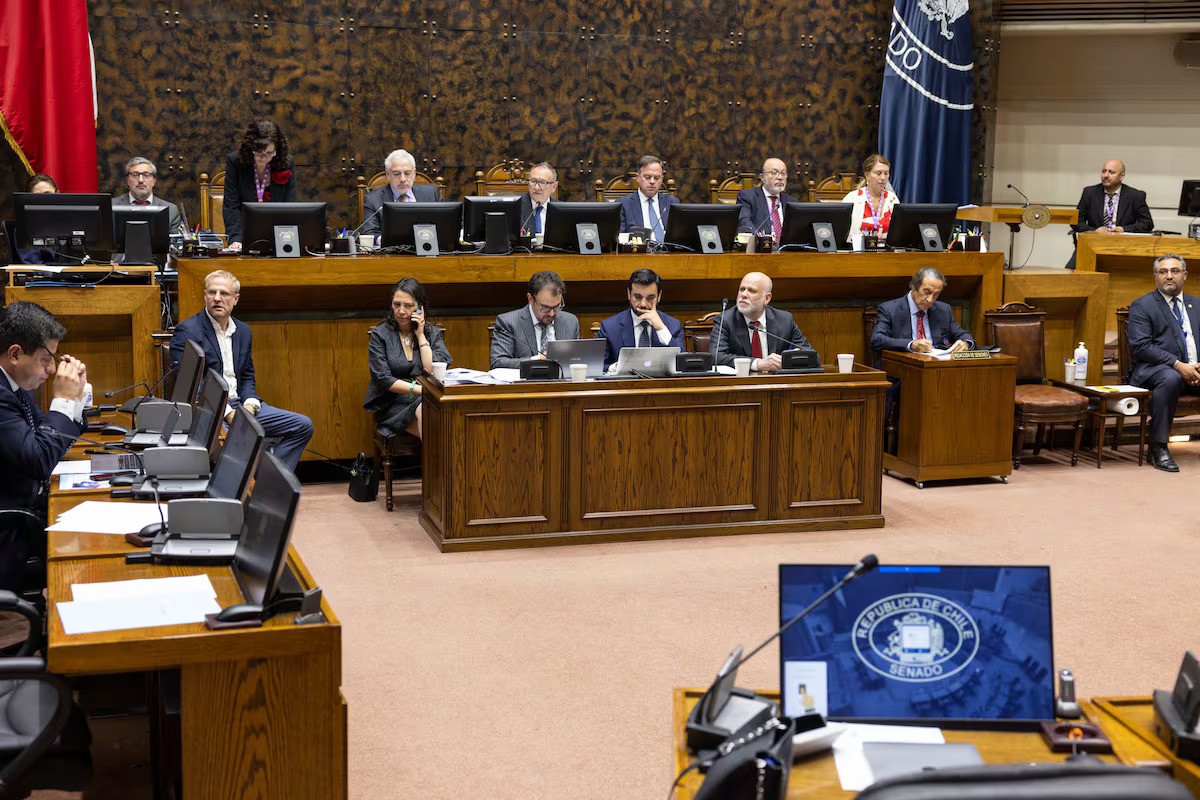
The pension reform project, promoted by the Government of Gabriel Boric, has entered a critical stage. With less than a month to go before the deadline set to complete its discussion in the Senate, the opposition and the government have still not reached agreements on three key points of the project.
The reform aims to improve the amount of the Universal Guaranteed Pension (PGU), create a social security system based on a new contribution charged to employers, and put an end to the model of the Pension Fund Administrators (AFP) by reorganizing the industry. While consensus has been reached on some aspects, such as the increase of the PGU to 250,000 pesos (256 dollars), there are still significant disagreements on other issues.
The main points of contention include:
i. Separation of support and investment functions: The government wants to separate the support and investment functions of the industry from the AFP, but the opposition is not convinced.
ii. Bidding of the affiliates' portfolio: The government proposes to bid out the affiliates' portfolio, but the opposition is opposed to this idea.
iii. Distribution of the additional 6% contribution: The government wants to allocate 3% to social security and 2% to increasing current pensions, but the opposition is not in agreement.
The opposition is divided on the issue, with the Independent Democratic Union (UDI) and the Republicans holding different views. The UDI has proposed a "small distribution" of 0.5% additional contributions to equalize pensions between women and men, but this has been criticized by the Republicans.
The government is under pressure to reach an agreement, with Minister of Labor Jeannette Jara warning that "crucial hours" are being experienced. The minister has confirmed that the government wants to allocate 3% to social security and 2% to increasing current pensions, but the opposition is not in agreement.
The fate of the pension reform project hangs in the balance, with the Senate set to decide its fate in the coming weeks. If no agreement is reached, the project may be left with "zero to zero," as Minister Jara warned.