Bulgaria Can Now Appear on the Map of European Geometric Art
-
 Loading...
 - Olivia Lehtinen
- 06 Feb 2025
- 40 Views
- 0 Like
- 0 Comment
Bulgaria is poised to make its mark on the European landscape of geometric art, a movement that reflects the democratic values of a society, according to Bulgarian artist Georgi Dimitrov. He believes that the presence of geometric art in a culture signifies the freedom of interpretation for both artists and audiences, which is a hallmark of democracy.
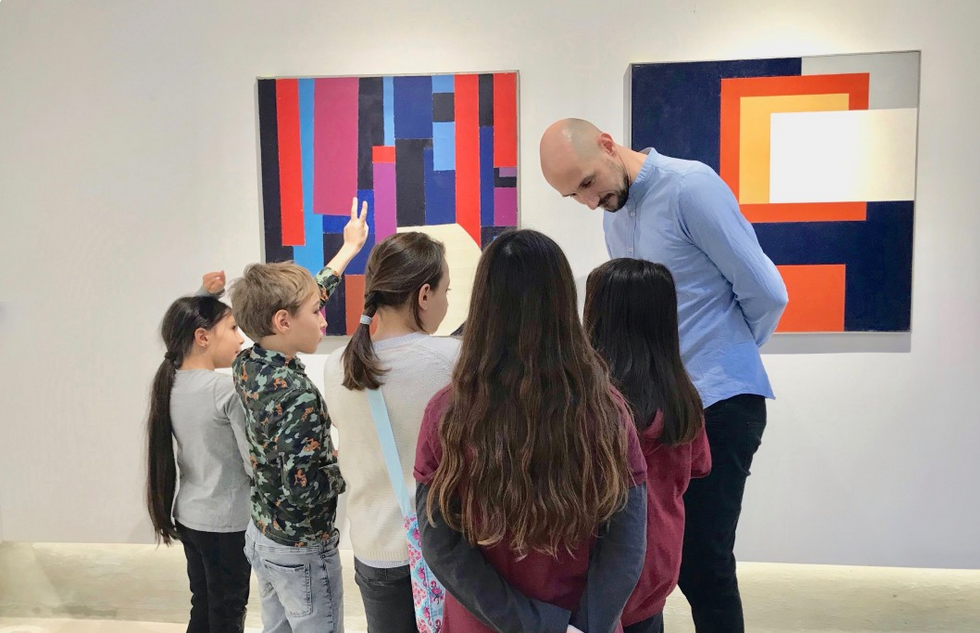
Geometric art, characterized by abstract and non-objective forms, emerged as a significant concept in the 20th century, influencing various fields such as industrial design, typography, architecture, music, poetry, and philosophy. While countries like the Netherlands, Germany, France, and Italy have rich traditions in this art form, Bulgaria has historically lagged behind due to its unique socio-political challenges.
Dimitrov, who founded the association "nonsofia" in 2012, aims to promote and establish Bulgaria on the global map of non-objective art. The name "nonsofia" reflects the concept of non-objective art while playfully referencing the Bulgarian capital. Dimitrov explains that this art form, which lacks representational objects from nature, has been recognized internationally for over a century.
Having traveled extensively, Dimitrov is now focused on fostering a community for geometric art in Bulgaria. Through the online platform "nonsofia," he has organized several international symposiums, including the "Orthogonal" symposium, which has attracted artists from around the world. He emphasizes that the Bulgarian public is becoming increasingly familiar with geometric art, and a small but dedicated community is forming around this movement.
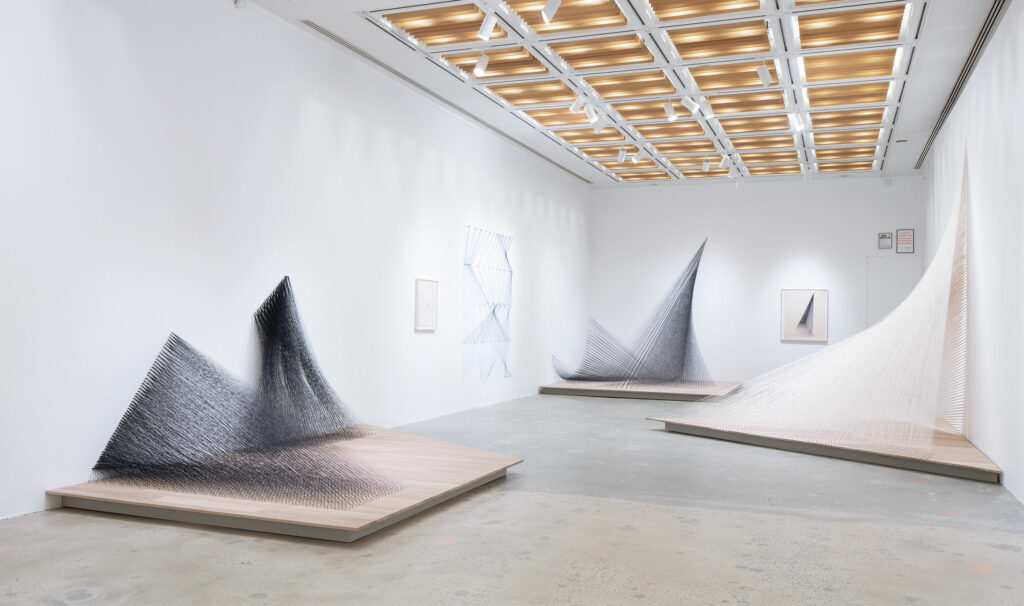
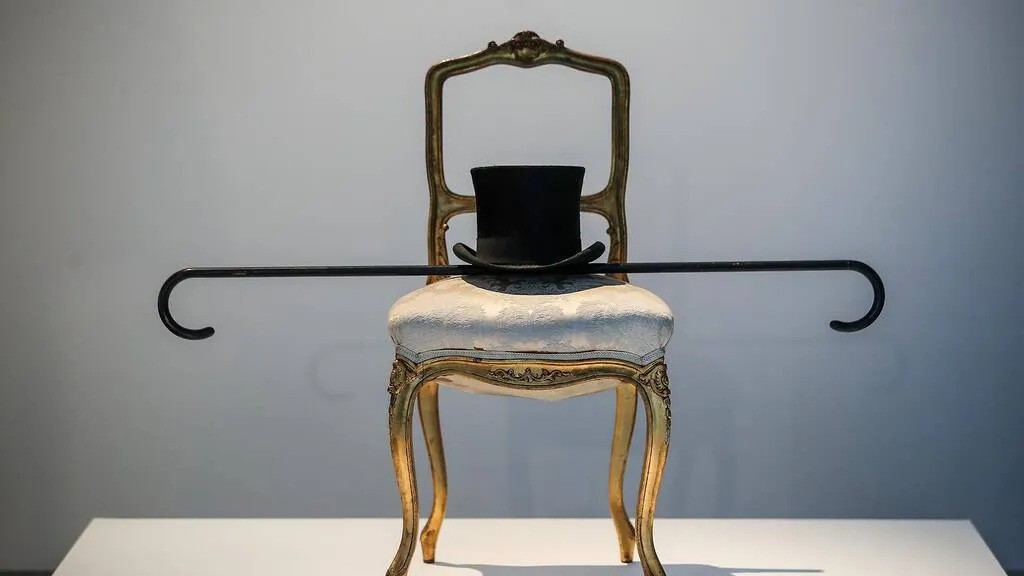
The association also hosts a national forum for geometric art and currently features the exhibition "Focus: Netherlands," showcasing works from ten Dutch artists, including renowned contemporary artist Bob Bonis. This exhibition, which runs until the end of February, includes a variety of mediums such as acrylic and oil paintings, objects, reliefs, and installations, fostering cultural exchange between Bulgaria and the Netherlands.

Dimitrov acknowledges the challenges of generating interest in a relatively unknown art form but is committed to creating a discourse and environment that promotes geometric art. He believes that by inviting established international artists to collaborate and exhibit in Bulgaria, local artists can gain a deeper understanding of the genre, leading to a shift in perception and appreciation for non-objective art.
As Bulgaria continues to develop its tradition in geometric art, Dimitrov envisions Sofia becoming one of the European capitals of this artistic movement. With ongoing efforts to build a supportive community and showcase Bulgarian talent, the future looks promising for geometric art in Bulgaria.