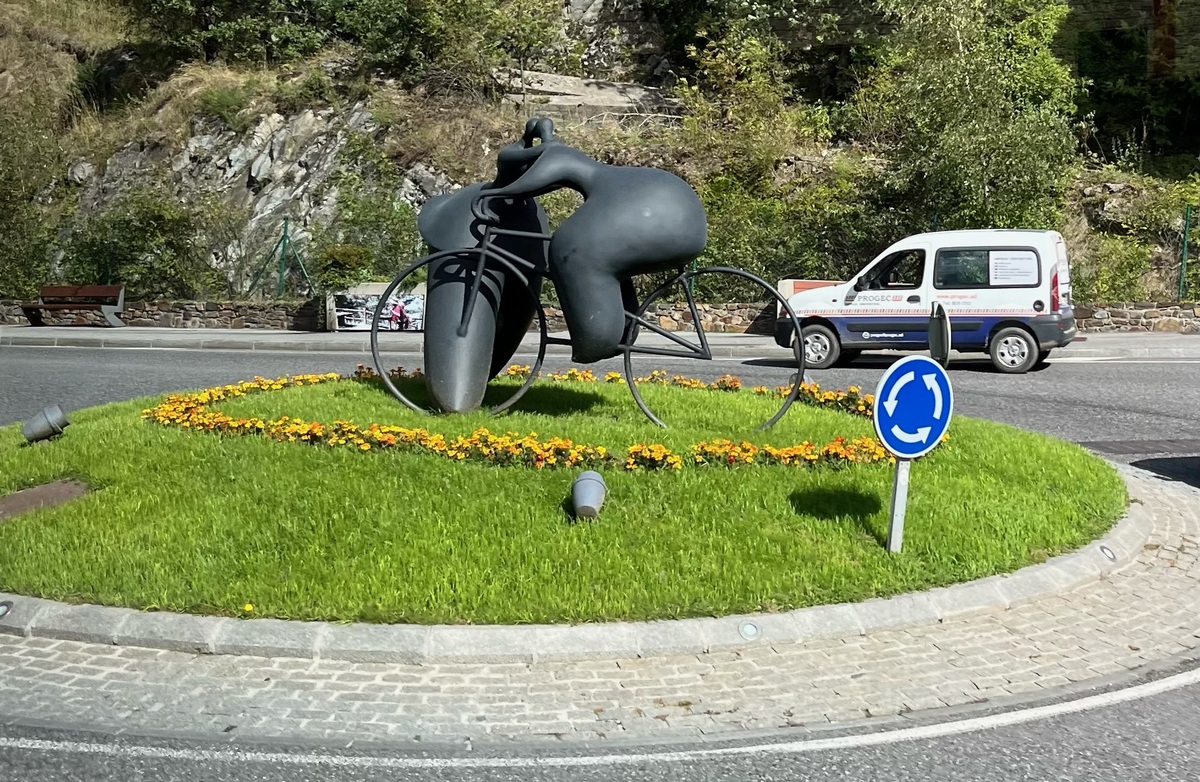
Can Iconic Andorra Roundabout Statues Reflect Our Town’s Character?
-
 Loading...
 - Alessia Abato
- 12 Mar 2025
- 32 Views
- 0 Like
- 0 Comment
In the realm of urban design, roundabouts often serve as mere traffic management tools, directing vehicles and pedestrians with little thought given to their aesthetic or cultural significance. However, a closer look at the roundabouts in Andorra reveals that these circular intersections can be transformed into vibrant symbols of a town’s identity and character. As communities seek to enhance their public spaces, the question arises: can iconic roundabout statues reflect our town’s character?
The Andorran Approach
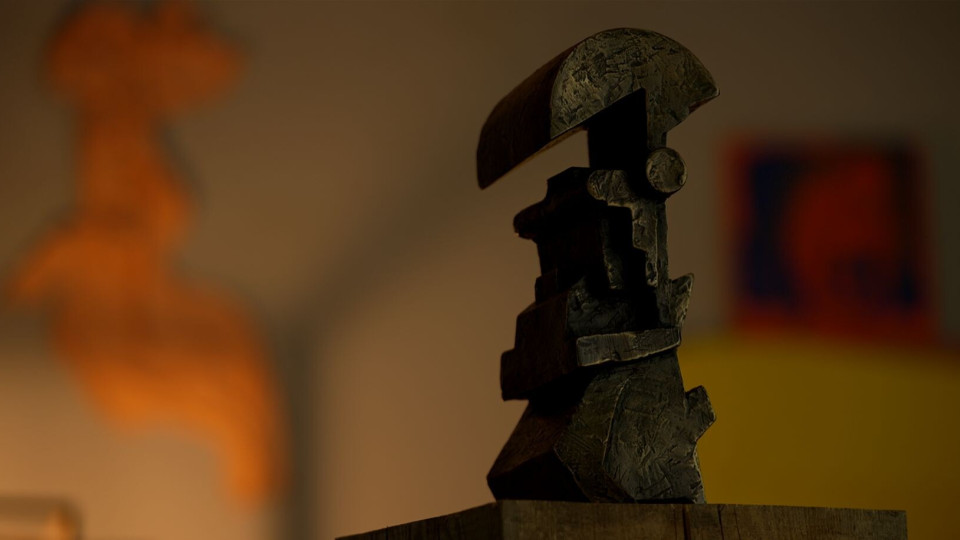
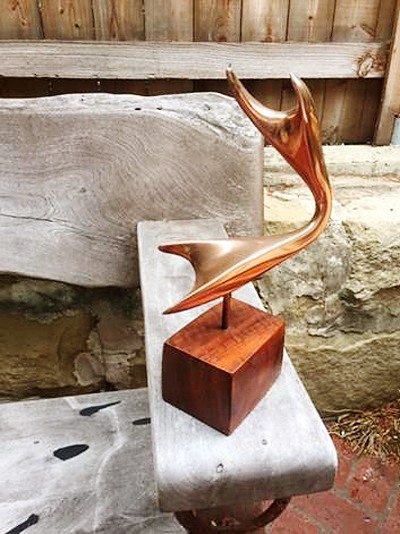
Andorra, a small principality nestled in the Pyrenees mountains, has embraced the idea of using roundabouts as canvases for artistic expression. Each roundabout features unique sculptures that not only beautify the landscape but also tell stories about the region’s history, culture, and values. From representations of local wildlife to abstract art that captures the essence of Andorran life, these statues serve as focal points that invite residents and visitors alike to engage with the community.
For instance, one roundabout might showcase a sculpture of a traditional Andorran shepherd, paying homage to the country’s pastoral roots, while another might feature a modern art piece that reflects the dynamic spirit of contemporary Andorran society. This thoughtful integration of art into public spaces fosters a sense of pride among residents and creates a memorable experience for tourists.
Reflecting Local Identity
The key to creating meaningful roundabout statues lies in their ability to reflect the unique identity of a town. Just as Andorra has successfully used its roundabouts to celebrate its heritage, other communities can take inspiration from this approach. By commissioning local artists or involving community members in the design process, towns can create sculptures that resonate with their specific cultural narratives.
For example, a coastal town might choose to feature a statue of a fisherman or a lighthouse, symbolizing its maritime history. In contrast, a town known for its agricultural roots could opt for a sculpture of a farmer or a crop that is significant to the area. These representations not only beautify the landscape but also serve as reminders of the town’s character and the stories that shape its identity.
Enhancing Community Engagement
Involving the community in the selection and creation of roundabout statues can also enhance civic engagement. Public art projects often spark conversations among residents, encouraging them to share their thoughts on what represents their town best. This collaborative process fosters a sense of ownership and pride, as community members see their ideas and values reflected in the public space.
Moreover, iconic roundabout statues can become landmarks that draw visitors and encourage exploration. When people travel to a new town, they often seek out unique attractions that capture the essence of the place. A well-designed roundabout statue can serve as a photo opportunity, a meeting point, or simply a conversation starter, enriching the overall experience of the town.
Challenges and Considerations
While the idea of using roundabout statues to reflect a town’s character is appealing, it is not without challenges. Communities must consider factors such as maintenance, safety, and the potential for vandalism. Additionally, the design process should be inclusive, ensuring that diverse voices are heard and that the final product resonates with the entire community.
It is also essential to strike a balance between artistic expression and functionality. Roundabout sculptures should not obstruct visibility or create hazards for drivers and pedestrians. Thoughtful planning and collaboration with urban planners and traffic engineers can help ensure that the art enhances rather than detracts from the roundabout’s primary purpose.
The roundabouts of Andorra offer a compelling lesson in how public art can reflect a community’s character and identity. By embracing the potential of iconic roundabout statues, towns can create vibrant public spaces that celebrate their unique stories, foster community engagement, and enhance the overall aesthetic of the area. As communities look to the future, the integration of art into urban design can serve as a powerful tool for building a sense of place and pride, transforming ordinary intersections into extraordinary symbols of local identity.