Canadian Caribou Make A Comeback Thanks To Indigenous-Led Stewardship
-
 Loading...
 - Ashley Walsh
- 26 May 2022
- 284 Views
- 0 Like
- 0 Comment
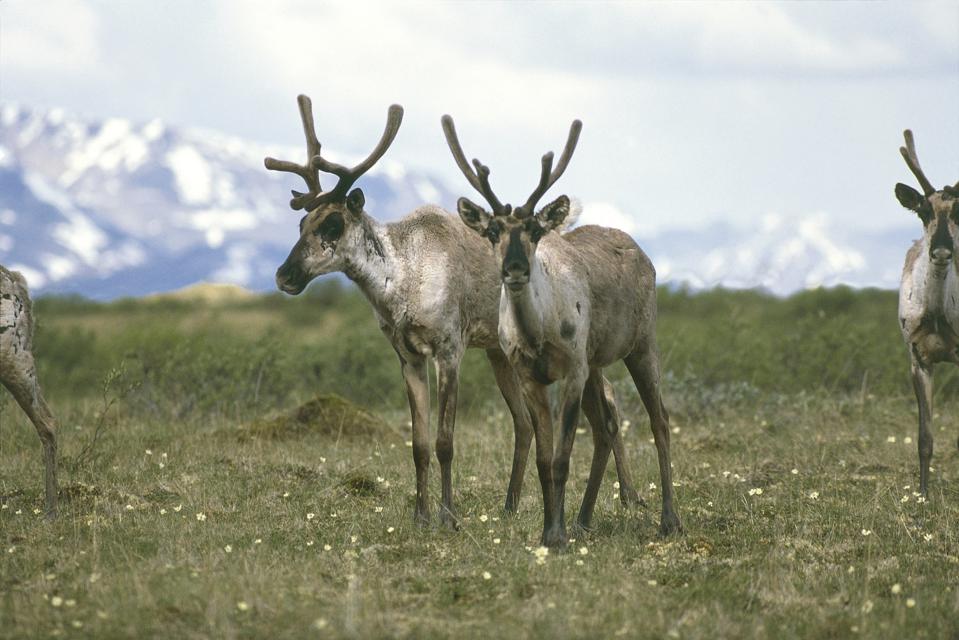
Canadian caribou populations are largely in decline, having dropped to nearly half their historic levels. But, one herd in British Columbia is prospering due to Indigenous conservation efforts, as a study produced by western and Indigenous scientists demonstrates.
"This work provides an innovative, community-led, paradigm shift to conservation in Canada," says lead author Dr. Clayton Lamb, "While Indigenous Peoples have been actively stewarding landscapes for a long time, this approach is new in the level of collaboration among western scientists and Indigenous Peoples to create positive outcomes on the land and put an endangered species on the path to recovery."
Indigenous communities make up just shy of five percent of the world’s population, but they are responsible for protecting 80 percent of global biodiversity and far more land than national parks and forests cover. Not only do Indigenous communities have knowledge of stewardship extending back millennia, but such efforts are deeply embedded in their culture. Thus, integrating Indigenous efforts is not only beneficial for natural landscapes, but is also a means of restoring power to these historically excluded communities.

Environmental and governmental organizations have helped execute a conservation strategy with leadership from the West Moberly and Saulteau First Nations for the Klinse-Za caribou herd in the mountains of British Columbia. Read More…