Canyoning Explained: A Beginner's Guide
-
 Loading...
 - Nicolas Stewart
- 21 Oct 2022
- 86 Views
- 0 Like
- 0 Comment
Canyoning: An overview
Being out and about in the mountains is always an experience. Once infected with the outdoor virus, many enthusiasts push themselves to try other sports besides hiking. They strive to leave the familiar paths, challenge themselves and go where perhaps not so many others have gone before them. Especially in summer, when it's hot and you prefer to combine a visit to the mountains with a stay in and around the water and be active at the same time, it's a good idea to try out canyoning. Where you can try out the sport and what you need to know as a beginner when you venture into the gorge: ISPO.com tells you.
What does canyoning mean?
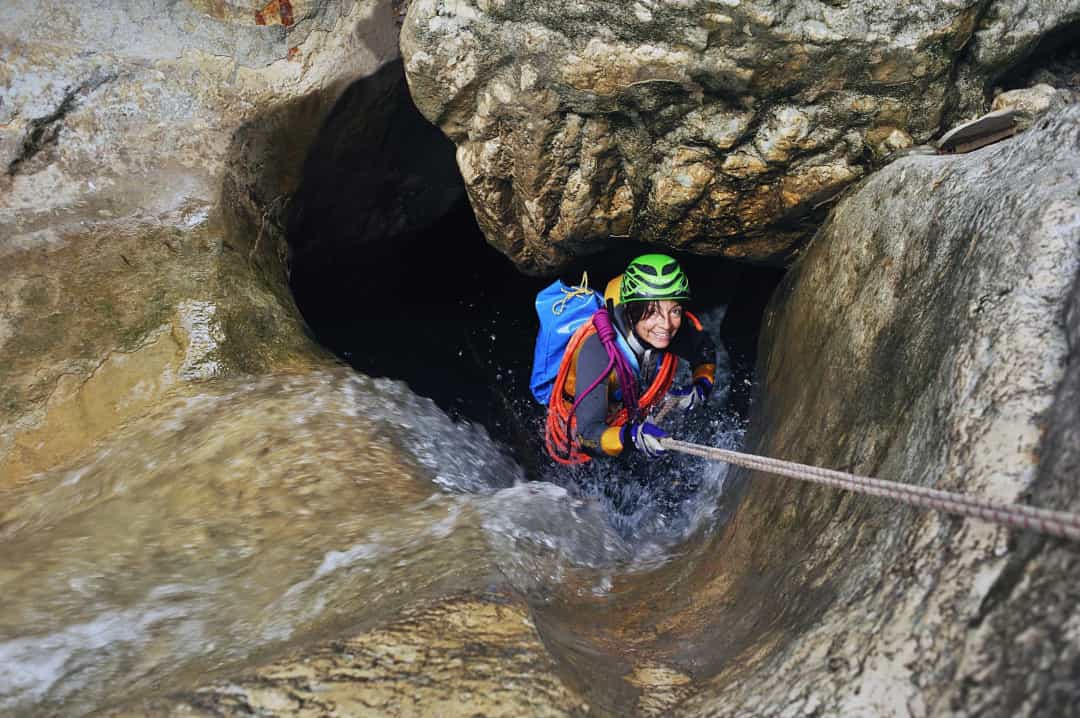
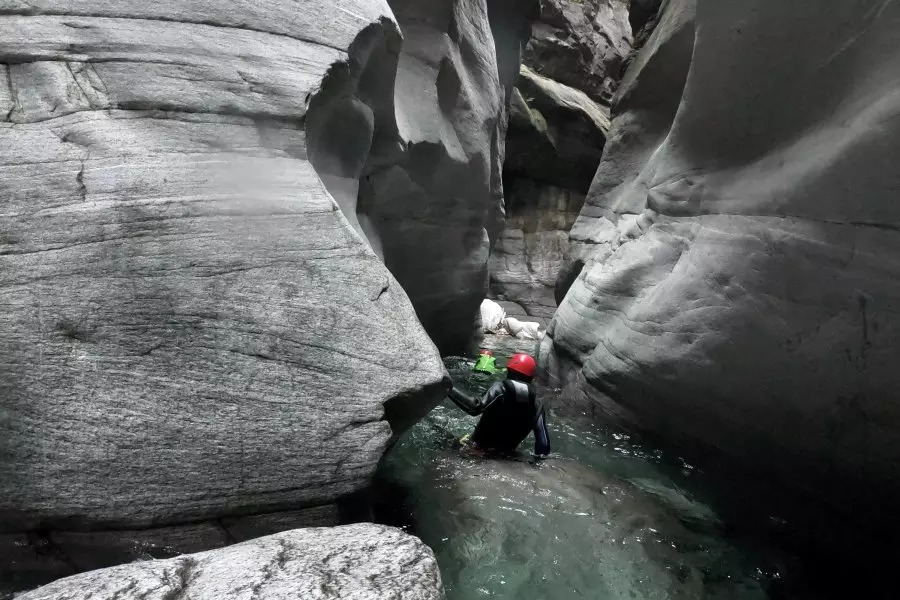
The Grand Canyon is probably the most famous canyon in the world and most people know it. Because canyon means exactly that. The term canyoning comes from the English word for gorge. Alternatively, the sport is also known as canyoneering. But what exactly is meant by this? Canyoning describes walking through a gorge from top to bottom. You enter the gorge at a certain point and then follow the course of the water. Sometimes on dry land, sometimes in cold water.
So it's actually about hiking? You could say partly, or if, canyoning is rather gorge hiking in the extreme. Because it takes different techniques to make your way through the gorge, such as rappelling, jumping, sliding, swimming or drifting in the current of the river. Usually combined with a hike to the entrance, canyoning combines quite a few elements of different outdoor sports.

Where can I try canyoning as a beginner?
Simply entering a canyon alone is not a good idea if you want to give canyoning a try. Most tours are offered by commercial providers and accompanied by one or, depending on the size of the group and the difficulty of the gorge, several guides. This is also better, as there are a lot of things to consider when you are in the canyon. Water levels, different currents that are not visible at first sight, which are difficult to swim against and no signposted path through the gorge are all reasons for a guided tour.
As a beginner it is important to know that you are not forced to do anything on the tour. Even though most of the jumps to the entrance tend to be between one and three meters, you can often bypass or abseil them. The same applies to some abseils and often there is also the possibility to get out of the gorge on the way.

Canyoning: Technique is everything: jumping, abseiling, sliding
Canyoning also depends on the right technique. Many people look forward to the cliff jumps in particular and choose their tour specifically according to the height of the possible jumps. For beginners, however, it means to approach lower jumps for the first time.
Depending on the gorge and the level of the group, there may be higher canyoning jumps into pools and natural pools where it is even more important to dive in properly. To be on the safe side, it is important to follow the instructions of the guide, who will tell you where you can and cannot jump. Basically, all it usually takes is overcoming and a two-step run-up, or sometimes a big step into the void. While you slightly tense the middle of your body, your legs should remain slightly bent to cushion ground contact in the water if necessary. Otherwise, many jumps can be abseiled if you don't dare to jump, true to the motto, "everything can, nothing must". As a warning, however, it should be said that jumping from a height of 5 to 10 meters into a sometimes dark, sometimes glittering pool, however, draws a huge feeling of happiness and may be addictive.