Chief Solomon Osagie Alonge, The Iconic Photographer Of Benin’s Royalty & Everyday Life
-
 Loading...
 - Olumide Kennedy
- 14 Jan 2025
- 29 Views
- 0 Like
- 0 Comment
Photography is often described as the art of finding beauty and grace in the ordinary. In the hands of a skilled photographer, even the mundane can transform into timeless art. Chief Solomon Osagie Alonge exemplified this notion, using his camera to capture the essence of life in Benin City and the grandeur of its royal heritage.
Born in Benin City in 1911, Alonge moved to Lagos at the age of 14, fresh out of elementary school. It was in Lagos that he discovered his passion for photography and began an apprenticeship to hone his craft. Armed with newfound skills and determination, he returned to Benin City, ready to embrace his calling as a photographer.
In those formative years, Alonge ventured far and wide, capturing life in motion. From school portraits to lively gatherings at social clubs, bustling sporting events, and grand government ceremonies, his lens documented the vibrancy of his community.
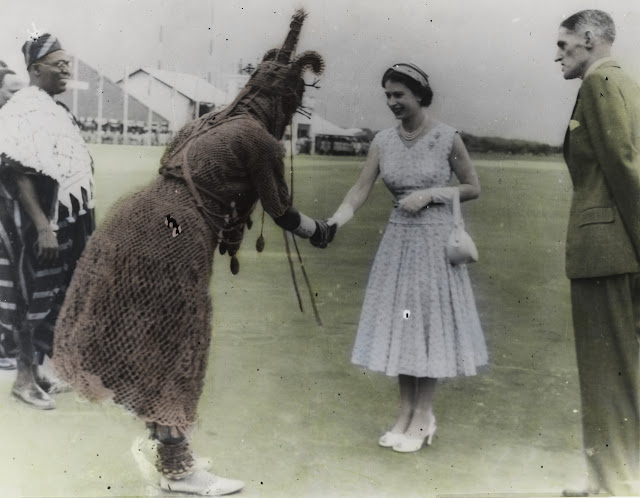
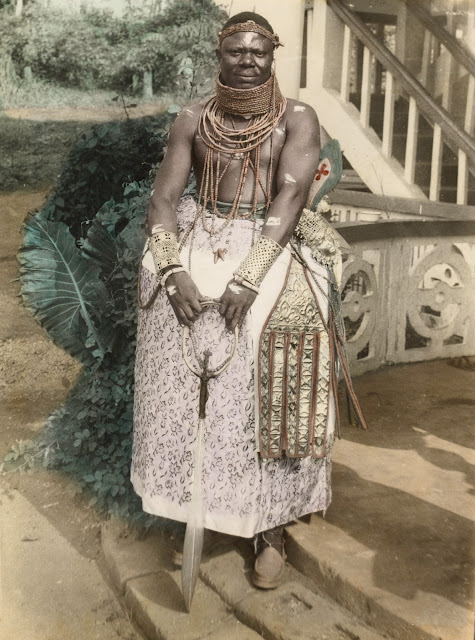
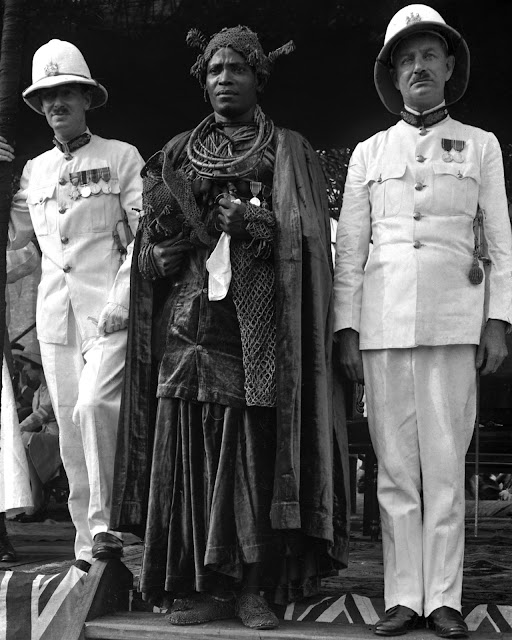
In 1933, Alonge became the official court photographer to the Oba of Benin, Akenzua II. For over 50 years, he meticulously documented the splendour and traditions of the royal court, capturing the pageantry, rituals, regalia, and coronations of the Oba and the Queen Mother, Iyoba. His work not only preserved the royal legacy but also provided a visual narrative of the cultural heritage of the Benin people.
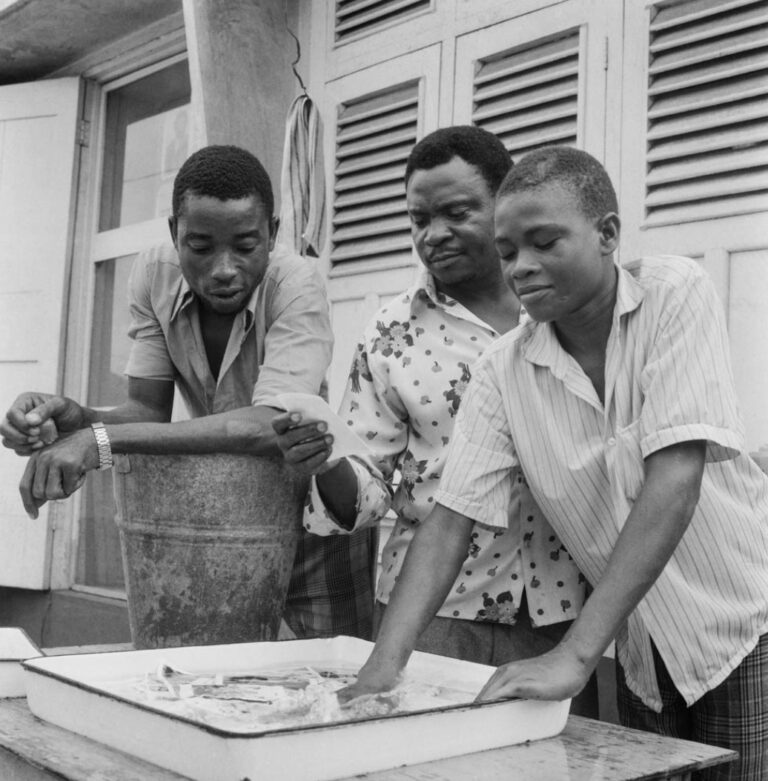
Beyond his role as the royal family’s photographer, Alonge was a storyteller for his community. Through his commercial photography, he preserved the everyday lives of Benin City’s residents—their smiles, gatherings, celebrations, and history. His camera documented a society in transition, reflecting the shift from colonial structures to the emergence of new churches, businesses, civic organizations, and social groups in the 1930s and 1940s.
In 1942, he established the Ideal Photography Studio, which became a hub for portraits that captured how people wanted to be seen: proud, elegant, and full of life. His studio provided a space for individuals to immortalize their moments, contributing to the cultural fabric of the community.
Alonge’s extraordinary collection includes over 2,000 glass plate negatives, large-format film negatives, and more than 100 hand-tinted and black-and-white prints. These images serve as invaluable historical records, offering insights into the lives and traditions of the Benin people.
Today, we celebrate the life and work of Chief Solomon Osagie Alonge (1911–1994), one of Nigeria’s foremost photographers and the first indigenous photographer of the Royal Court of Benin. His legacy continues to inspire and preserve our heritage, reminding us of the power of photography to capture the beauty of life, both royal and everyday.
Chief Solomon Osagie Alonge’s contributions to photography and his role in documenting the rich cultural heritage of Benin City are invaluable. His work transcends mere images; it tells the story of a people, their traditions, and their evolution over time. As we reflect on his remarkable collection, we are reminded of the enduring impact of art in preserving history and shaping our understanding of the world.