Cool Jobs: Scientific glassblowers shape science
-
 Loading...
 - Laura Gomez
- 13 Sep 2022
- 82 Views
- 0 Like
- 0 Comment
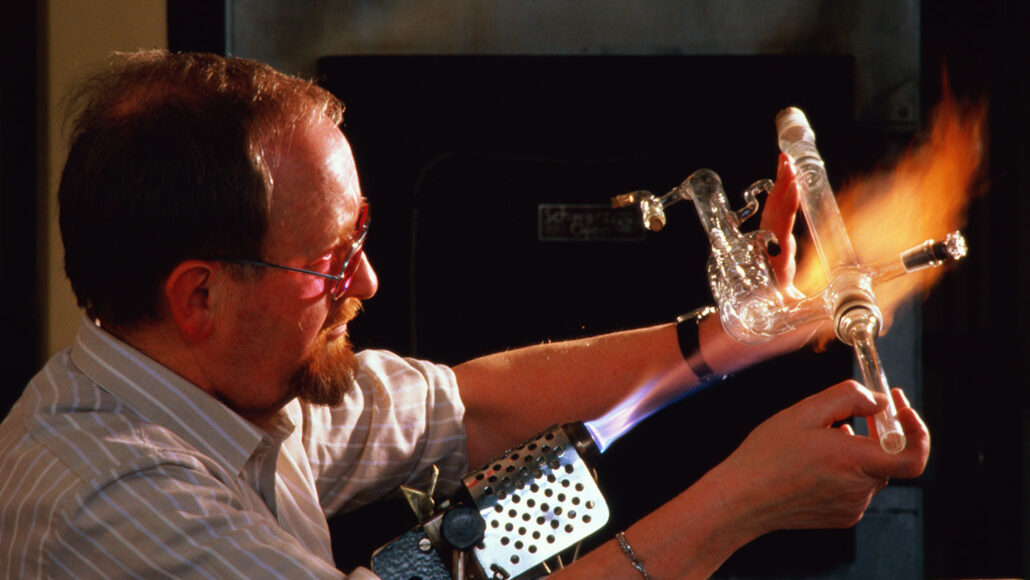
Max Daniels holds a small torch with both hands. He touches a hot, orange flame to the tip of a long glass tube. The clear, hard material turns shimmery and soft as it begins to melt. Max is learning how to make some of the glassware that scientists use in their experiments. He’s learning to become a scientific glassblower.
Glass is made by melting and chemically transforming sand. Glassblowers shape soft, molten glass by blowing air into it. People have been making glass for at least 3,500 years. Today, most do it to create art or functional housewares. For many centuries, however, some have shaped glass to make tools that have shaped our understanding of the world. Among these are the telescope, thermometer, light bulb and early photographic plates used for imaging medical X-rays, starlight and more.
“Behind many big scientific breakthroughs, there’s a glassblower that helped the scientists get there,” says Corina Guerra. She’s a scientific glassblower in St. Paul, Minn., for a company called 3M. The company also makes tape and other sticky things.
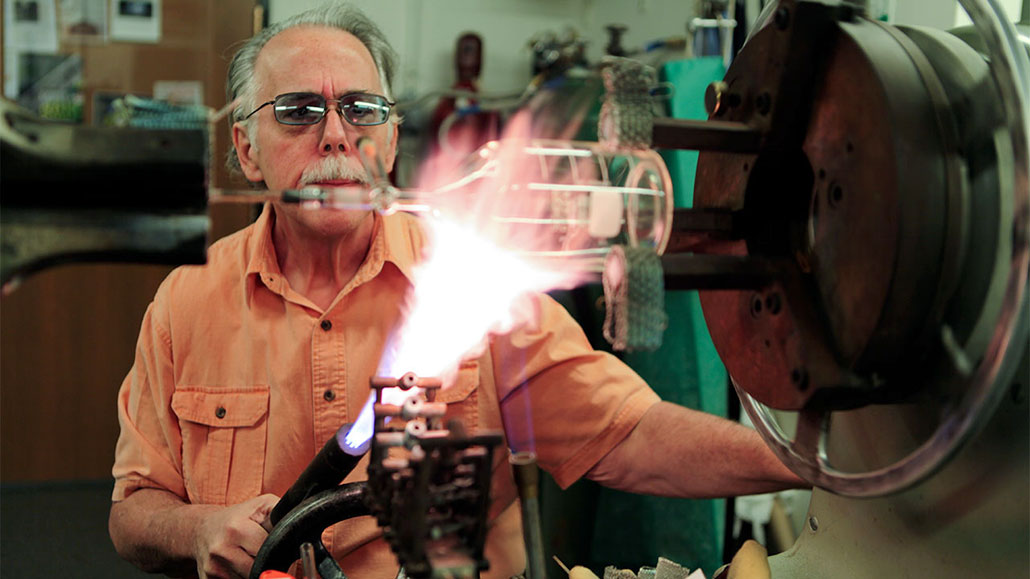
Because glass is hard and can be crystal clear, it’s “an ideal material for making observations and measurements,” notes Mike Souza. Read More...