Hybrid metabolism allows bacterium to get most out of fermentation and respiration
-
 Loading...
 - Greta Colombo
- 14 Aug 2024
- 54 Views
- 0 Like
- 0 Comment
Scientists have uncovered a novel metabolic pathway in a bacterium that combines the benefits of fermentation and respiration, allowing it to maximize energy production and thrive in diverse environments. This hybrid metabolism has significant implications for our understanding of microbial physiology and could lead to innovative applications in biotechnology and bioenergy.
The Limitations of Traditional Metabolic Pathways
Microorganisms have evolved various strategies to generate energy from their surroundings. Fermentation, a process that occurs in the absence of oxygen, is a rapid and efficient way to produce ATP, but it yields limited energy per glucose molecule. On the other hand, respiration, which involves the breakdown of glucose in the presence of oxygen, generates more ATP per glucose molecule but is slower and more complex.
The Hybrid Metabolism Advantage
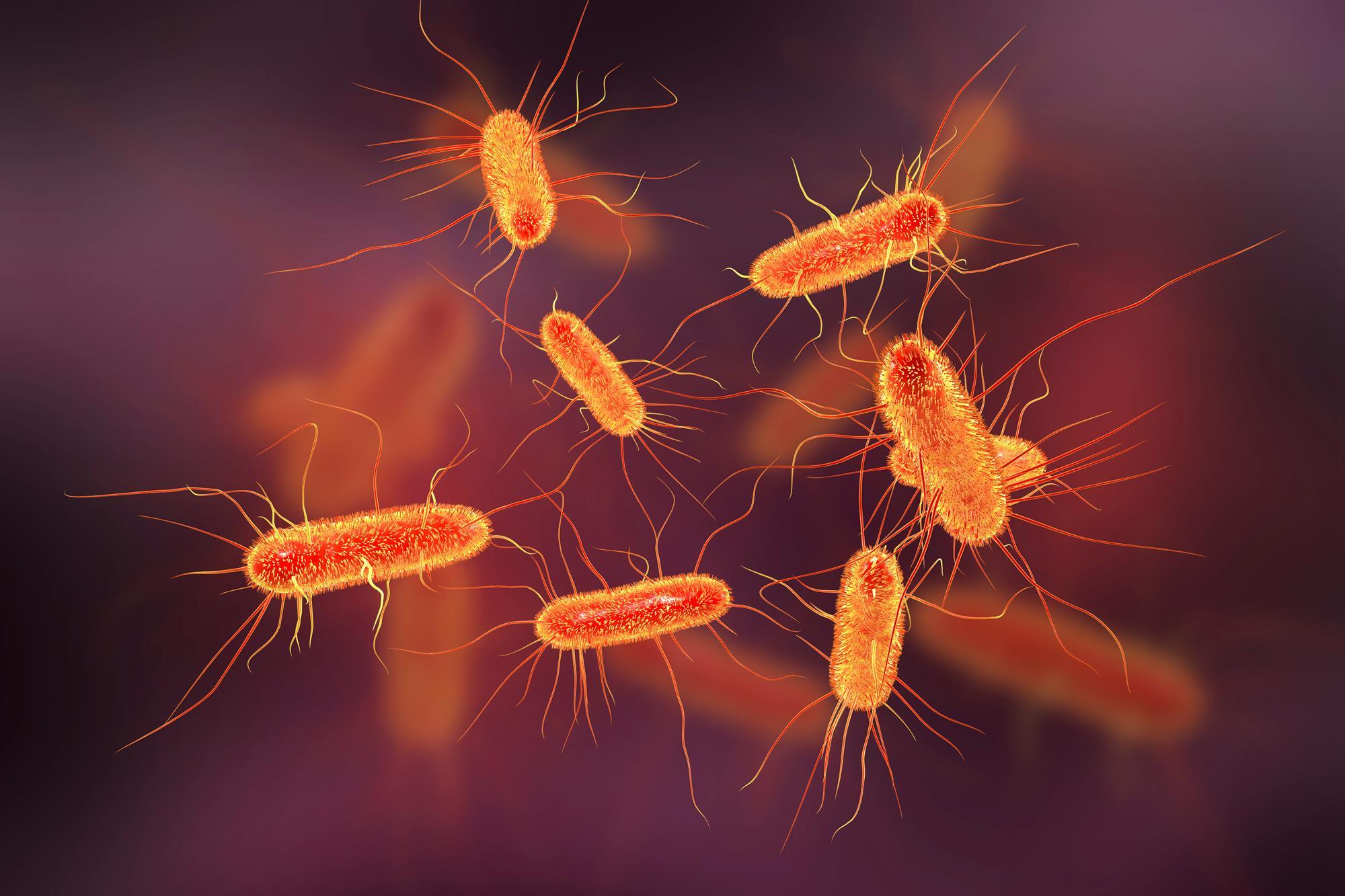
The bacterium in question, Thermus thermophilus, has developed a unique hybrid metabolism that bridges the gap between fermentation and respiration. This novel pathway allows the bacterium to harness the benefits of both processes, achieving an unprecedented level of energy efficiency.
In this hybrid metabolism, the bacterium uses a combination of fermentation and respiration to generate energy. Initially, it ferments glucose to produce ATP and NADH, a high-energy electron carrier. The NADH is then fed into the respiratory chain, where it is oxidized to generate additional ATP. This clever strategy enables the bacterium to produce more ATP per glucose molecule than either fermentation or respiration alone.
Implications and Applications
The discovery of this hybrid metabolism has far-reaching implications for various fields:
i. Biotechnology: Understanding how this bacterium optimizes energy production could lead to the development of more efficient microbial factories for biofuel and chemical production.
ii. Bioenergy: The ability to harness the benefits of both fermentation and respiration could revolutionize the production of biofuels, such as ethanol and butanol.
iii. Environmental Remediation: Microorganisms with hybrid metabolisms could be engineered to clean up contaminated sites more efficiently, using a combination of fermentation and respiration to break down pollutants.
iv. Synthetic Biology: The design of novel metabolic pathways inspired by this hybrid metabolism could lead to the creation of new, high-performance microbial strains for various applications.
The discovery of this hybrid metabolism in Thermus thermophilus opens up new avenues for research and innovation in microbiology, biotechnology, and bioenergy. As scientists continue to unravel the intricacies of this novel pathway, we can expect to uncover new strategies for optimizing energy production and unlocking the full potential of microbial systems.