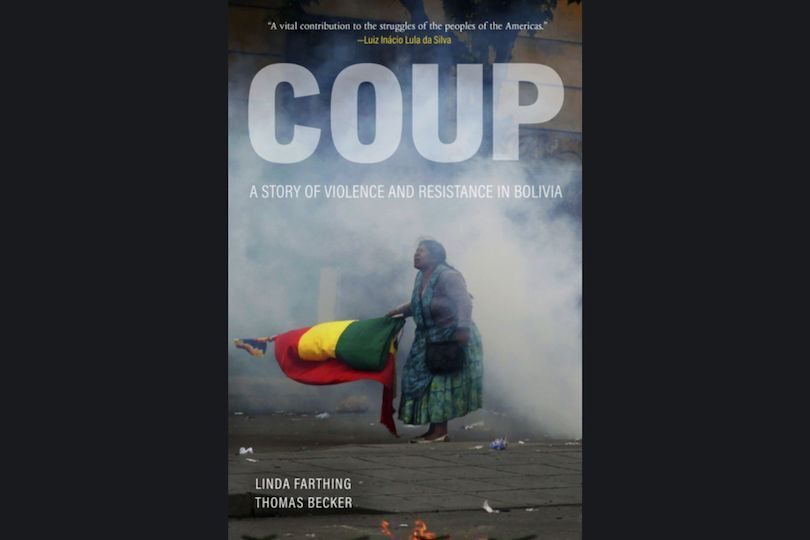
Coup: A Story of Violence and Resistance in Bolivia
-
 Loading...
 - Sebastian Trivia
- 15 Mar 2023
- 56 Views
- 0 Like
- 0 Comment
On 28 December 2022, the governor of the Department of Santa Cruz, Bolivia, Luis Fernando Camacho, was detained on charges of sedition and terrorism for his role in the toppling of Evo Morales in November 2019. What followed contained echoes of the events of 2019, as violent protestors burnt the district attorney’s office and Minister of Public Works Edgar Montaño’s house to the ground and attempted to ‘take’ the Departmental Police Command. A series of arson attacks against the district attorney’s infrastructure followed, with mass mobilisations and violence in the city of Santa Cruz and other departmental capitals continuing in the following weeks well into January 2023.
Reporting in the national Bolivian press has spoken of a ‘reactivation’ of violence in Santa Cruz, drawing a line through the events surrounding Camacho’s arrest and the political crisis of late 2019. The spark of these renewed tensions was the legal case, known as “Golpe de Estado I” (Coup D’état I), presented against Camacho and his political allies by former MAS senator Lidia Patty. Open wounds fester, and the need to grapple with the causes and consequences of the tumultuous period of Bolivian history in 2019 is, arguably, greater than ever. Doubly so given the talk of a second Pink Tide, a new generation of Leftist Latin American governments seeking to build on the legacy of Morales and his contemporaries. Read More..