Debate and Controversy over Distribution of Positions and Inaugural Session of Next Parliament.
-
 Loading...
 - Baniti Emad
- 26 Apr 2022
- 327 Views
- 0 Like
- 0 Comment
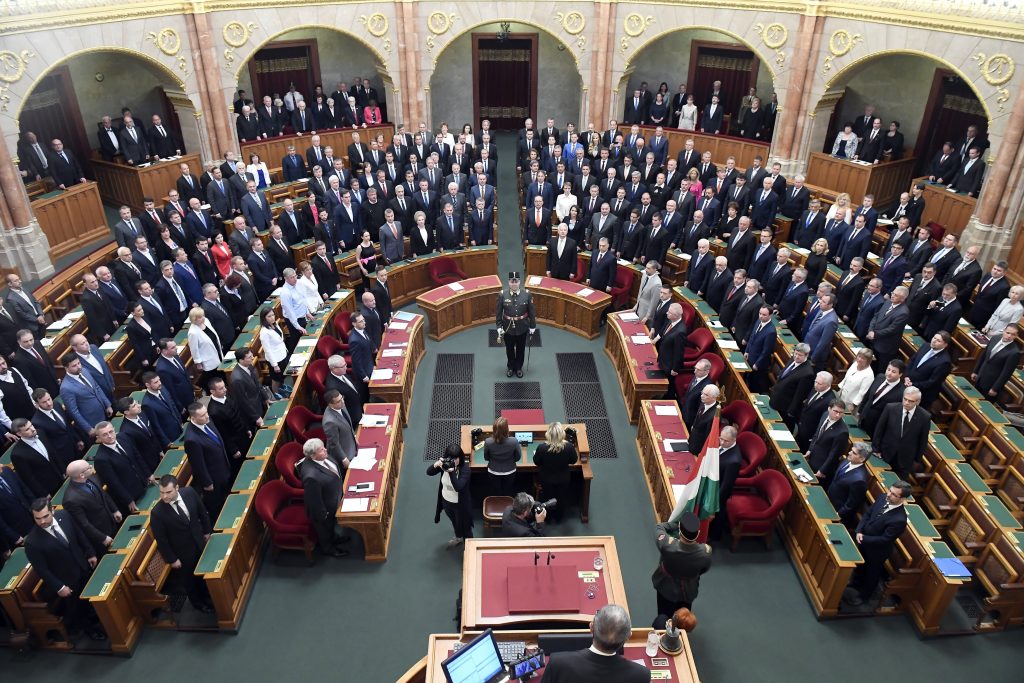
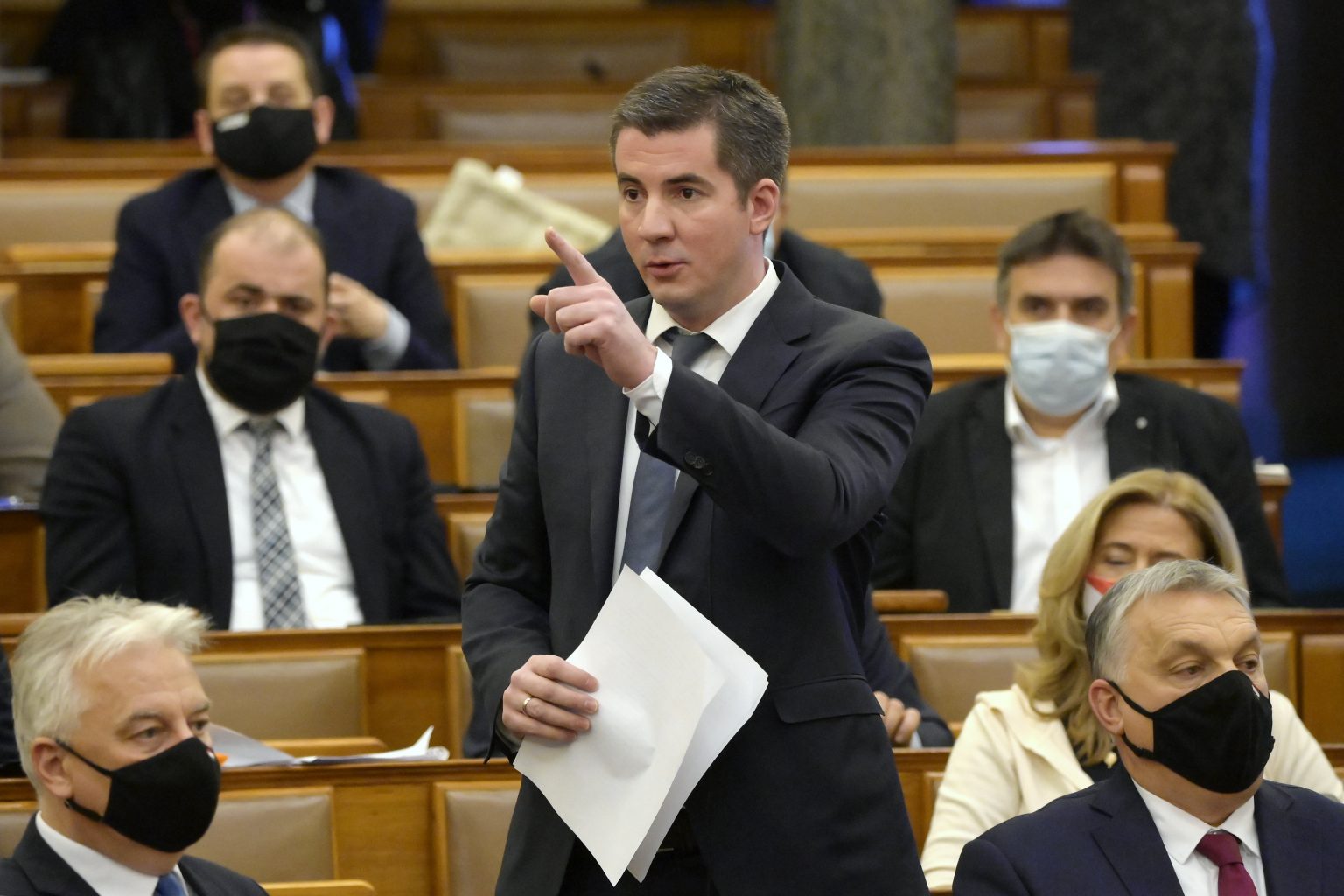
Debate erupted at the preparatory meeting as parties of the opposition alliance want to be regarded as separate groups, which would greatly matter in the distribution of positions. On the other hand, both ruling Fidesz and far-right Mi Hazánk would regard the opposition alliance as one block. The debate is still ongoing within the opposition on how to participate in the parliamentary work, but Fidesz said that those who refuse to take part in the formation of the new Parliament will not get any posts.
Telex reports that Fidesz has proposed dividing parliamentary positions based on the proportion of seats won by the governing parties as opposed to the opposition parties, arguing that the governing side should control two-thirds of the positions while the opposition parties (including the opposition alliance and far-right Mi Hazánk) should take one-third. In light of this, two of parliament’s six deputy speakers may be delegated by the opposition based on party lists, and just like in the previous cycle, fifteen committees are planned to be set up under the same headings.
The heads of ten committees will go to government representatives with the same proportion of deputy heads, with twenty opposition MPs and forty government lawmakers. Opposition members will head committees on national security, sustainable development, budget, welfare, and enterprise development.
Fidesz group leader Máté Kocsis said it was “unacceptable” that members of those parties which campaigned under the banner of the opposition alliance were now claiming to be six separate parties.
The opposition, however, reacted by asking for time. In contrast to Fidesz and Mi Hazánk, they did not even hold a press conference.
Momentum to boycott inaugural session
Earlier, Momentum said the party wouldn’t attend the inaugural session of Parliament and in the “substantive” parliamentary work, if the ruling forces refuse to fulfill five democratic conditions, arguing that “for quite a while we cannot speak of clean elections.” Their five conditions are:
- Relevant governments should be allowed to change the electoral laws, the laws on the powers of local governments, and the laws on elections in agreement with the opposition parties.
- Public media should be run by a consensus of the parties in parliament, thereby ensuring that the public media is truly independent and impartial.
- Members of parliament should be given back the powers they need to control public bodies.
- Start working together on new legislation guaranteeing the fairness of elections and on the money that can be spent in campaigns.
- Launch a genuine dialogue between the government and the professional interest groups, and start tripartite (government, opposition, representative trade unions) negotiations on striking rights.
In regard to the other parties of the opposition alliance, green-centrist LMP said they wouldn’t boycott the first session, saying “it would be ridiculous.” The rest of the parties have yet to take a stance.
Fidesz: Those who refuse to take part in forming the next parliament won’t get any posts
Fidesz group leader Máté Kocsis said that whoever refused to take part in the process to form the new parliament would not only forfeit their right to be a committee representativek but would also no longer be eligible to be elected for posts.
In addition, the governing parties would act reciprocally, he added: if a parliamentary group refuses to vote for officials from the government side, the governing parties will do likewise.
He complained that Democratic Coalition and Momentum had indicated several times that they would hold out on negotiations and had declared publicly an unwillingness to attend the inaugural meeting. Yet they had turned up to the meeting on allocating committee seats. Read More...