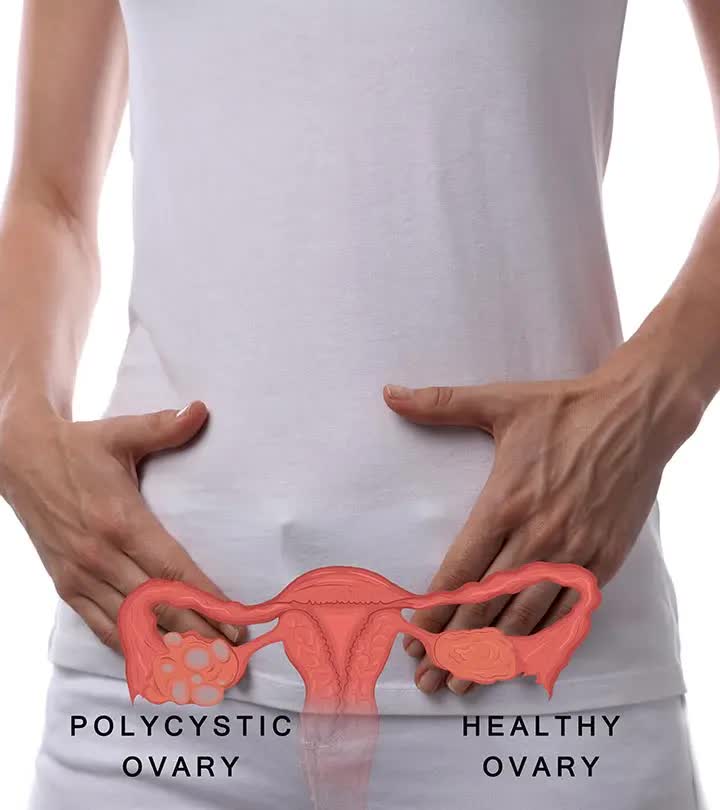
Debunking The 5 Most Common Myths About PCOS
-
 Loading...
 - Anselm Meyer
- 08 Jul 2024
- 171 Views
- 0 Like
- 0 Comment
Polycystic Ovary Syndrome (PCOS) is a complex hormonal disorder that affects millions of women worldwide. Despite its prevalence, there are still many common myths and misconceptions surrounding this condition. In this article, we'll explore and debunk five of the most widespread myths about PCOS, helping you gain a better understanding of this often misunderstood condition.
Myth 1: PCOS is Caused by Cysts on the Ovaries
One of the most pervasive myths about PCOS is that it is caused by the presence of cysts on the ovaries. While the name "Polycystic Ovary Syndrome" may suggest this, the truth is that the presence of cysts is not a defining characteristic of PCOS.
In reality, PCOS is a hormonal imbalance that can lead to the development of small, fluid-filled sacs called follicles on the ovaries. These follicles are not the same as cysts, and their presence is not the sole indicator of PCOS. Many women with PCOS may not even have visible follicles on their ovaries.
Myth 2: PCOS Only Affects Overweight or Obese Women
Another common misconception is that PCOS only affects women who are overweight or obese. While excess weight can be a contributing factor to PCOS, it is not a requirement for the condition. Many women with PCOS are of normal weight or even underweight.
The underlying hormonal imbalances that characterize PCOS can occur in women of all body types. In fact, some research suggests that PCOS may be more prevalent in lean women than previously thought, as their symptoms may be overlooked or misdiagnosed.
Myth 3: PCOS is Rare and Only Affects a Small Percentage of Women
Contrary to popular belief, PCOS is a relatively common condition, affecting an estimated 5-10% of women of reproductive age. This means that PCOS is likely more prevalent than many people realize, and it's important to raise awareness about its prevalence and the impact it can have on women's health.
Myth 4: PCOS is Only a Reproductive Issue
While PCOS is often associated with reproductive challenges, such as irregular menstrual cycles and infertility, it is a complex condition that can have far-reaching effects on a woman's overall health. PCOS has been linked to an increased risk of type 2 diabetes, cardiovascular disease, and certain types of cancer.
It's important to recognize that PCOS is not just a reproductive issue, but a metabolic disorder that can have significant implications for a woman's long-term health and well-being.
Myth 5: There is No Treatment for PCOS
Many women with PCOS may feel that there is no effective treatment for their condition, but this is simply not true. While there is no cure for PCOS, there are a variety of treatment options available that can help manage the symptoms and reduce the risk of associated health problems.
These treatments may include lifestyle changes, such as diet and exercise, as well as medication to regulate hormones, manage insulin resistance, and address specific symptoms. With the right treatment plan, women with PCOS can effectively manage their condition and improve their overall health and quality of life.
Conclusion
Polycystic Ovary Syndrome is a complex and often misunderstood condition that affects millions of women worldwide. By debunking these five common myths, we hope to provide a more accurate understanding of PCOS and empower women to take a proactive approach to their health.
Remember, if you suspect you may have PCOS, it's important to consult with a healthcare professional who can properly diagnose and develop a personalized treatment plan to address your specific needs.