How To Deal With Pcos
-
 Loading...
 - Boram Choi
- 15 Jun 2022
- 282 Views
- 0 Like
- 0 Comment
Polycystic ovary syndrome (PCOS) is a widely common reproductive health disorder that affects 1 in 10 women who are of childbearing age.
Often, those with polycystic ovary syndrome experience irregular periods, unwanted excess hair in unusual body parts, weight loss difficulty, and even painful menstrual periods. The exact cause is unknown, but an abnormal amount of male sex hormones called androgens is often a culprit, as is insulin resistance.
We’ve done a blog on how to deal with skincare problems caused by this disorder, but skin problems are just one of the many complications that can arise with PCOS. Below, we’re going to dive deeper into what PCOS is, how it affects women, and how you can deal with its symptoms at home. Let’s get started!
IS PCOS A SERIOUS PROBLEM?

Polycystic ovarian syndrome affects the lives of many women globally. While it’s not a life-threatening condition, its symptoms can be detrimental to one’s quality of living.
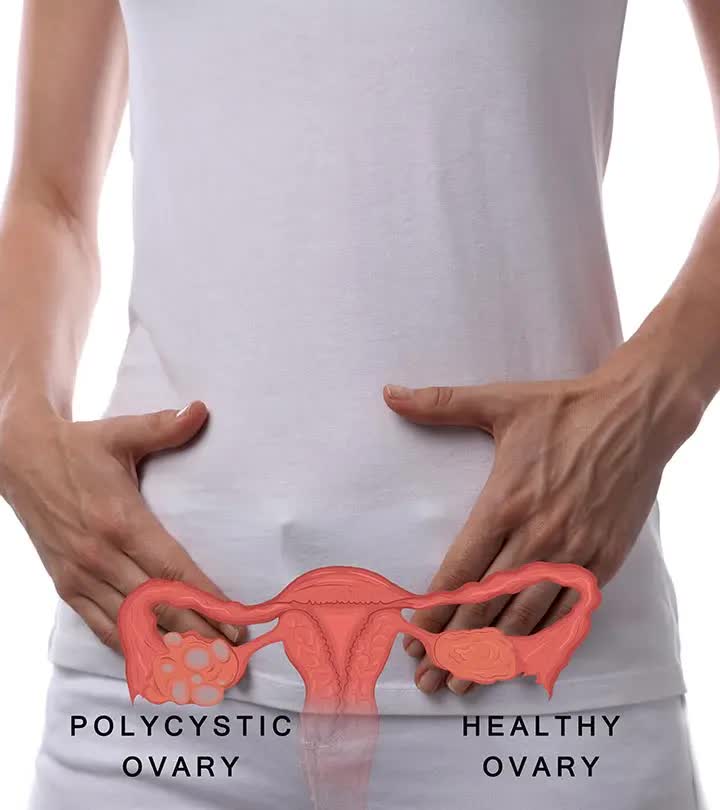
Its criteria for diagnosis are missed or infrequent periods, increased male hormones, and the presence of polycystic ovaries.
Acne, excess hair, abdominal pain, and difficult-to-manage weight gain are all issues that come with PCOS and can cause discomfort mentally and physically, which is why they should be taken seriously by medical professionals. Irregular periods are also a cause for concern as women may have difficulty getting pregnant.
PCOS has also been linked to the following serious diseases:
Diabetes
Endometrial cancer
High blood pressure
Depression
Anxiety
Obesity
Infertility
Sleep Apnea
Miscarriage
Heart Disease
HOW IS POLYCYSTIC OVARY SYNDROME DIAGNOSED?

If your doctor suspects you may have polycystic ovary syndrome, they will usually refer you to a specialist such as a gynecologist or an endocrinologist.
The specialist can then ask you about your medical history and give you a physical exam. There are three main ways a doctor can diagnose PCOS:
Checking for irregularities in menstrual cycles or missed periods
Blood tests to measure sex hormones or high androgen levels; blood tests to detect excessive insulin
Pelvic exam to check for ovarian cysts
As we mentioned above, however, polycystic ovary syndrome remains to be widely underdiagnosed. This is partly because its symptoms overlap with other health complications, but also because a lot of women are taught that terrible period pains and irregularity in their cycle are normal.
WHAT IS AN OVARIAN CYST?
Ovarian cysts are pretty much what the name suggests – cysts in or on your ovaries. They’re fluid-filled sacs often caused by hormonal imbalance, pregnancy, endometriosis, or infections. Ovarian cysts are not limited to women with PCOS; those with endometriosis can also develop them.
Ovarian cysts are not always painful, but when they’re particularly big, you may feel a dull ache in your abdomen. The worst pain is if ovarian cysts rupture, causing a sharp sensation.
They’re also more common before menopause – women are less likely to develop ovarian cysts post-menopause, but the possibility is still there.
WHAT CAUSES POLYCYSTIC OVARY SYNDROME (PCOS)?
The exact cause of PCOS is unknown, but there are two major factors that increase the chances of having it: high androgen levels and insulin resistance.
HIGH ANDROGEN LEVELS
Androgen is often referred to as the male sex hormone. Although it is naturally present in women, high amounts of androgen can lead to imbalanced hormone levels. This phenomenon is responsible for PCOS symptoms like acne and hirsutism, or excessive hair growth all over the body. Excess hair growth can often be spotted along the belly, back, and face.
HIGH INSULIN LEVELS
Another major factor for women with PCOS is insulin resistance. Insulin resistance is usually linked to type 2 diabetes, but it is highly common in women with PCOS.
In simple terms, insulin resistance is when the body can’t use insulin properly to convert energy, resulting in too much insulin in the blood. Those who have acanthosis nigricans or thickened skin around the armpits, neck, and breasts may also have insulin resistance.
Women with PCOS also tend to have trouble with weight loss or even maintaining a healthy weight. This is because excessive levels of insulin make it difficult to lose weight, but it’s one of the most important lifestyle changes one could make. Read More…