Despite Venezuela’s Turmoil, Caracas Art Scene Remains Resilient
-
 Loading...
 - Michelle Collins
- 06 Nov 2024
- 46 Views
- 0 Like
- 0 Comment
In the wake of a contentious presidential election and ongoing political and economic crises, the cultural landscape of Caracas is demonstrating remarkable resilience. Following the July 28 election, which saw Nicolás Maduro declared the winner amid allegations of vote manipulation, many Venezuelans have become hesitant to discuss politics openly. Euphemisms like “the political context” and “the current situation” have become commonplace as citizens navigate a climate of fear and uncertainty.
Despite the treacherous conditions marked by government violence and mass arrests, various arts organizations in Caracas have found ways to resist quietly through community partnerships and a focus on Venezuelan identity and unity.
Patricia Morales, director of the Taller de Artistas Gráficos Asociados Luisa Palacios (Taga), expressed initial hesitation about restarting workshops after the election, fearing a lack of interest. However, the studio's inking methods workshop, taught by Corina Briceño just three weeks post-election, sold out quickly, surprising Morales. Founded in 1976 by Luisa Palacios and other renowned artists, Taga has been a hub for graphic design in Venezuela, offering a space for serigraphy, lithography, and engraving.
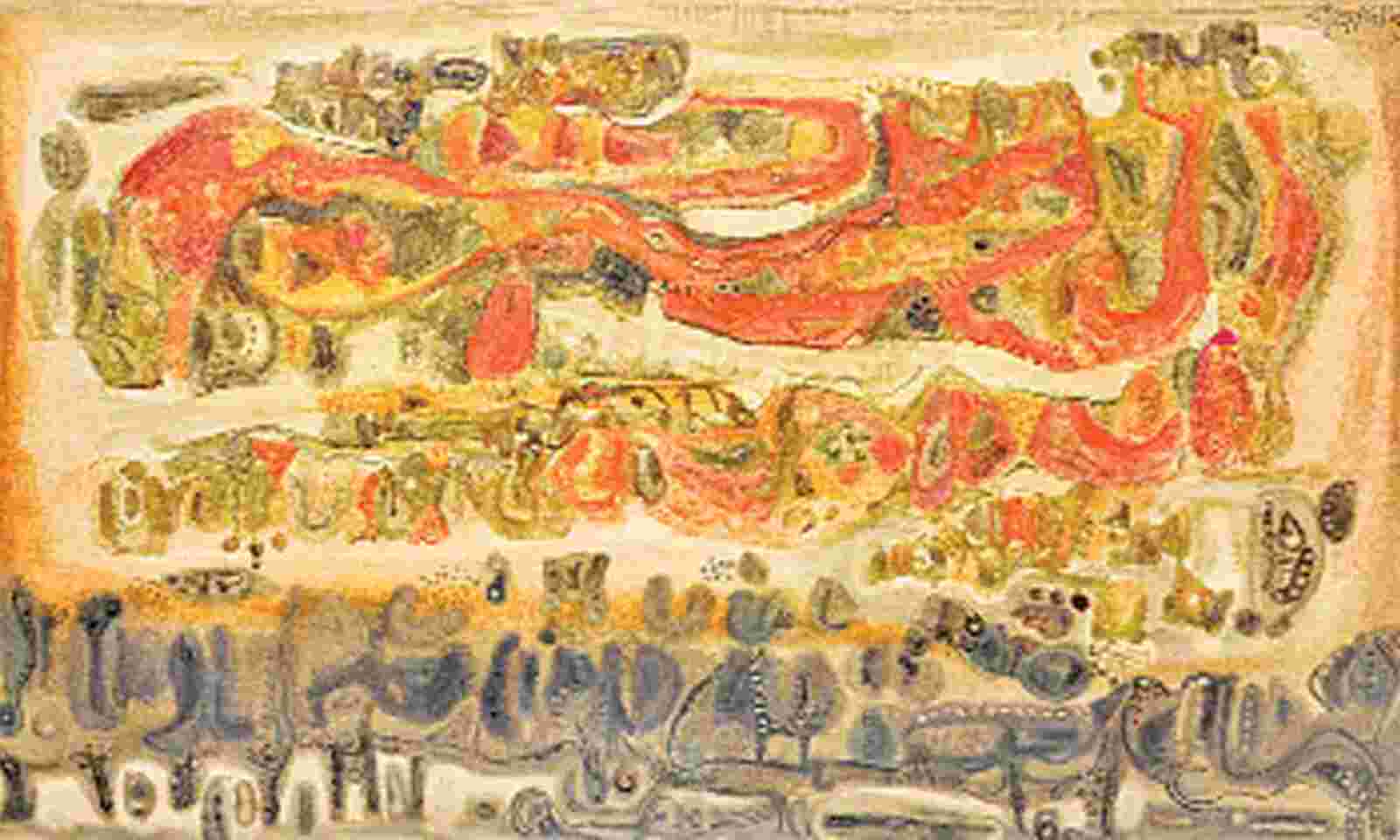
Taga's recent efforts have focused on cataloguing and preserving its collection of 185 lithography stones, which were donated shortly after the studio opened. These stones, now considered archival material, provide insight into the evolution of graphic design in Venezuela and the country’s history. Taga curated a free exhibition titled Litho Graphica, showcasing the stones' historical significance and artistic applications.
Morales remains unfazed by the political climate, stating, "Taga has been through several moments of crises since its foundation, and we've overcome them all." This sentiment is echoed by Ignacio Alvarado, founder of El Museo del Libro Venezolano (Museum of the Venezuelan Book), who emphasizes the enduring value of books. Alvarado, a rare-book dealer, established the museum to highlight important Venezuelan literature that had been overlooked. The museum houses a collection of around 3,000 carefully selected books, including first editions and historical notebooks, some of which are not available even in the National Library.
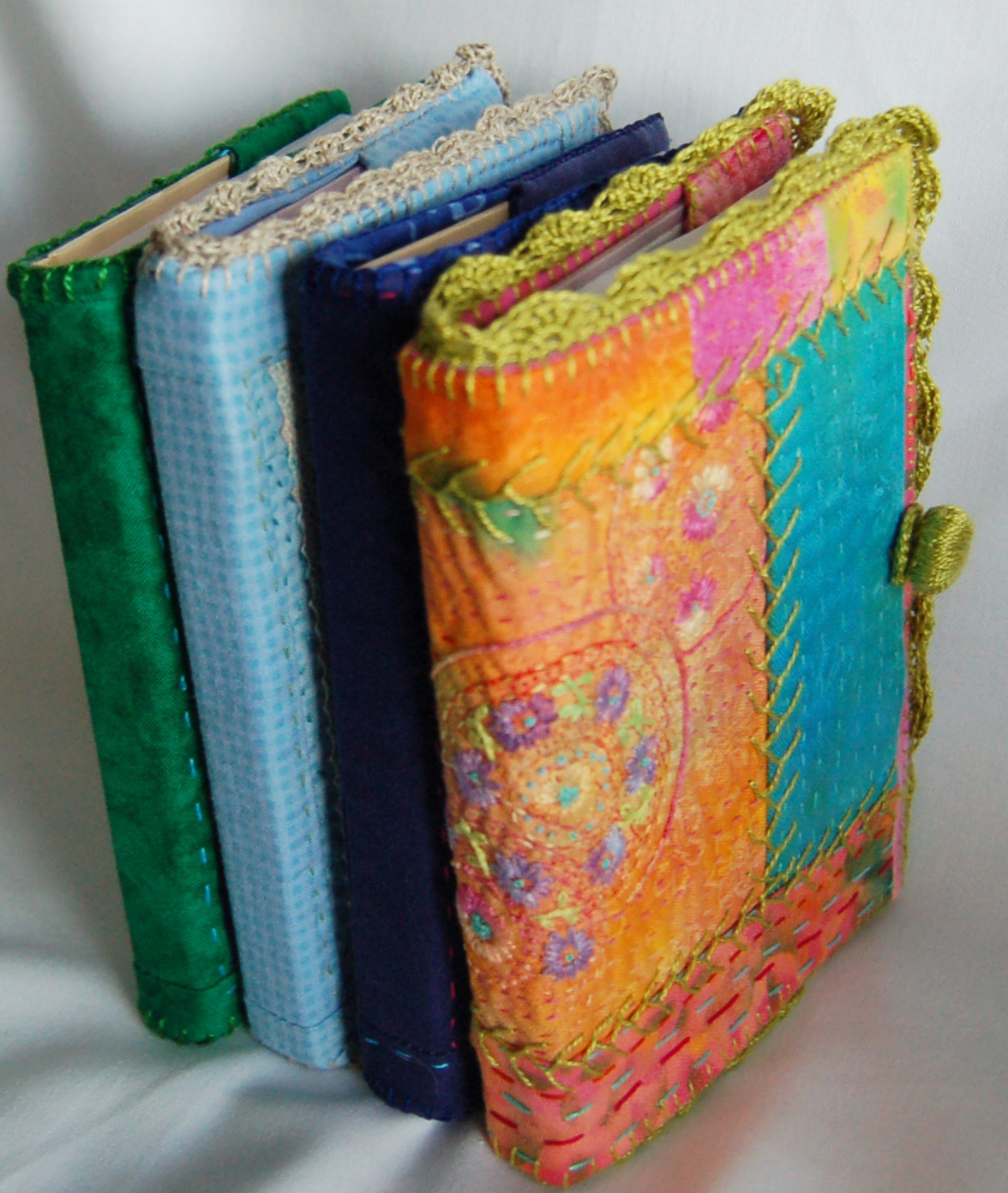
Since opening to the public a few months ago, the museum has hosted various cultural events, including a book fair and a book-binding workshop, all while keeping admission free to accommodate the economic struggles of the community. Alvarado and curator María Ramírez Delgado have created a welcoming space for visitors to engage with Venezuelan literature in a new context.
El Archivo, founded in 2015, also plays a crucial role in preserving Venezuelan historical memory through photography. General coordinator Maurelyn Rangel-Camargo highlights the importance of partnerships with local institutions, stating, "We've been driven to work together and to support each other in our practice." El Archivo has published several titles and welcomes researchers to enrich its collection, turning each project into a learning opportunity.
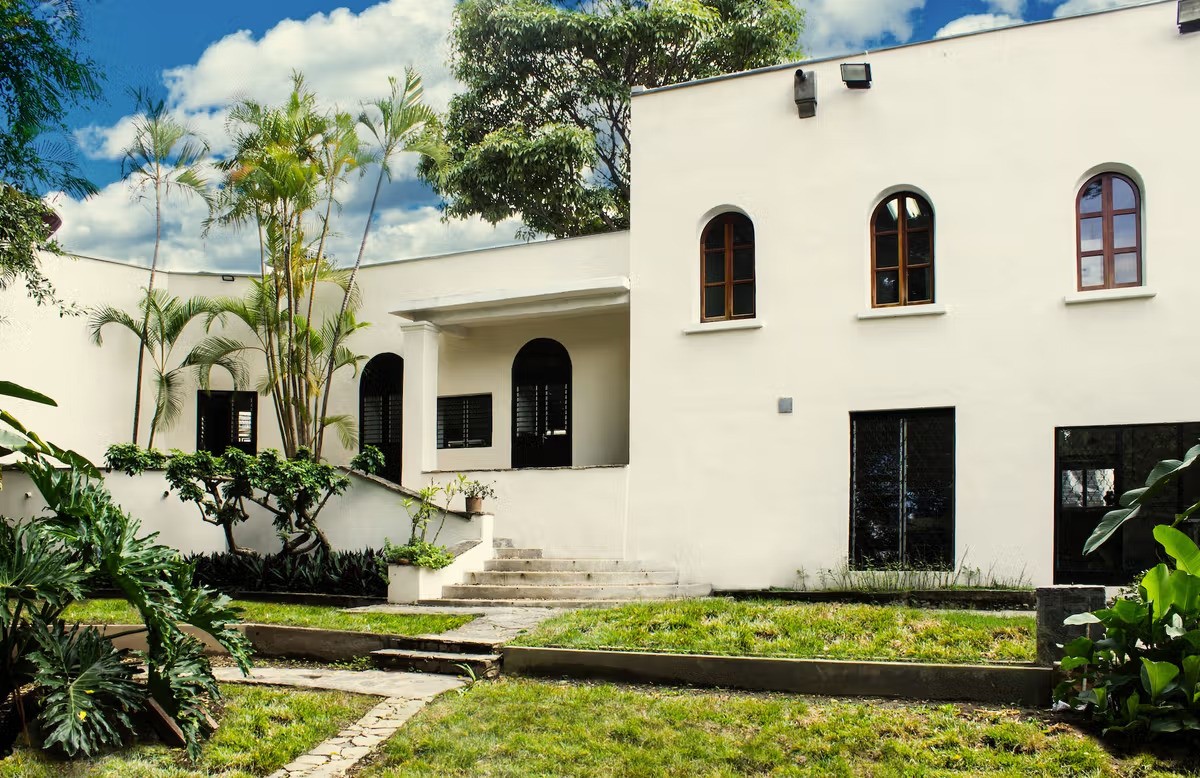
These organizations exemplify the resilience of Venezuelan society, finding innovative ways to adapt and thrive amid chaos. By transforming old houses into archival spaces and making art more accessible, Taga, El Museo del Libro Venezolano, and El Archivo are committed to preserving the country’s artistic heritage, demonstrating that even in the face of adversity, culture can flourish.