Rubens is a Titan of Western Art. The Gigantic Task of Restoring His Masterpieces
-
 Loading...
 - Rurik Popov
- 21 Feb 2025
- 35 Views
- 0 Like
- 0 Comment
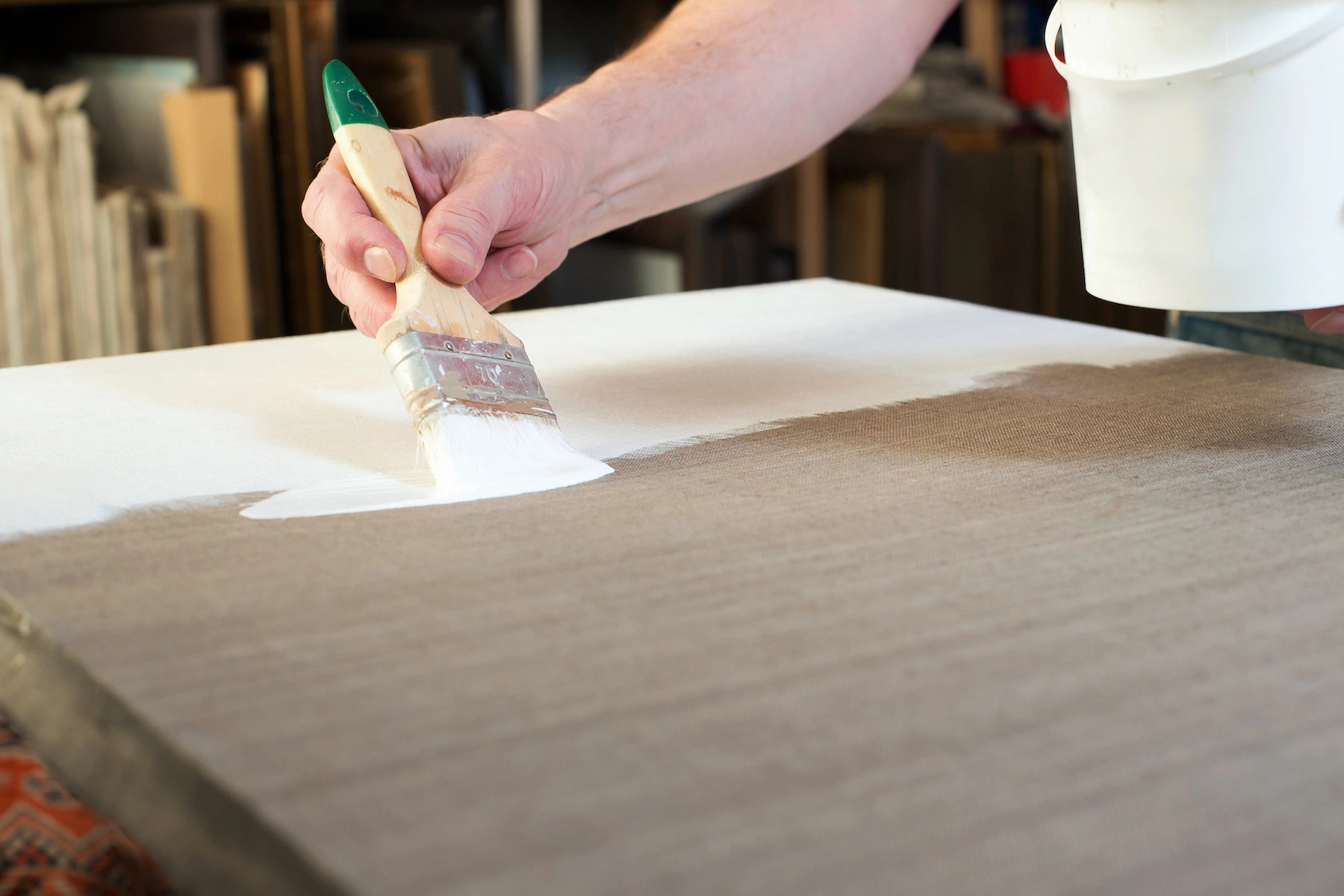
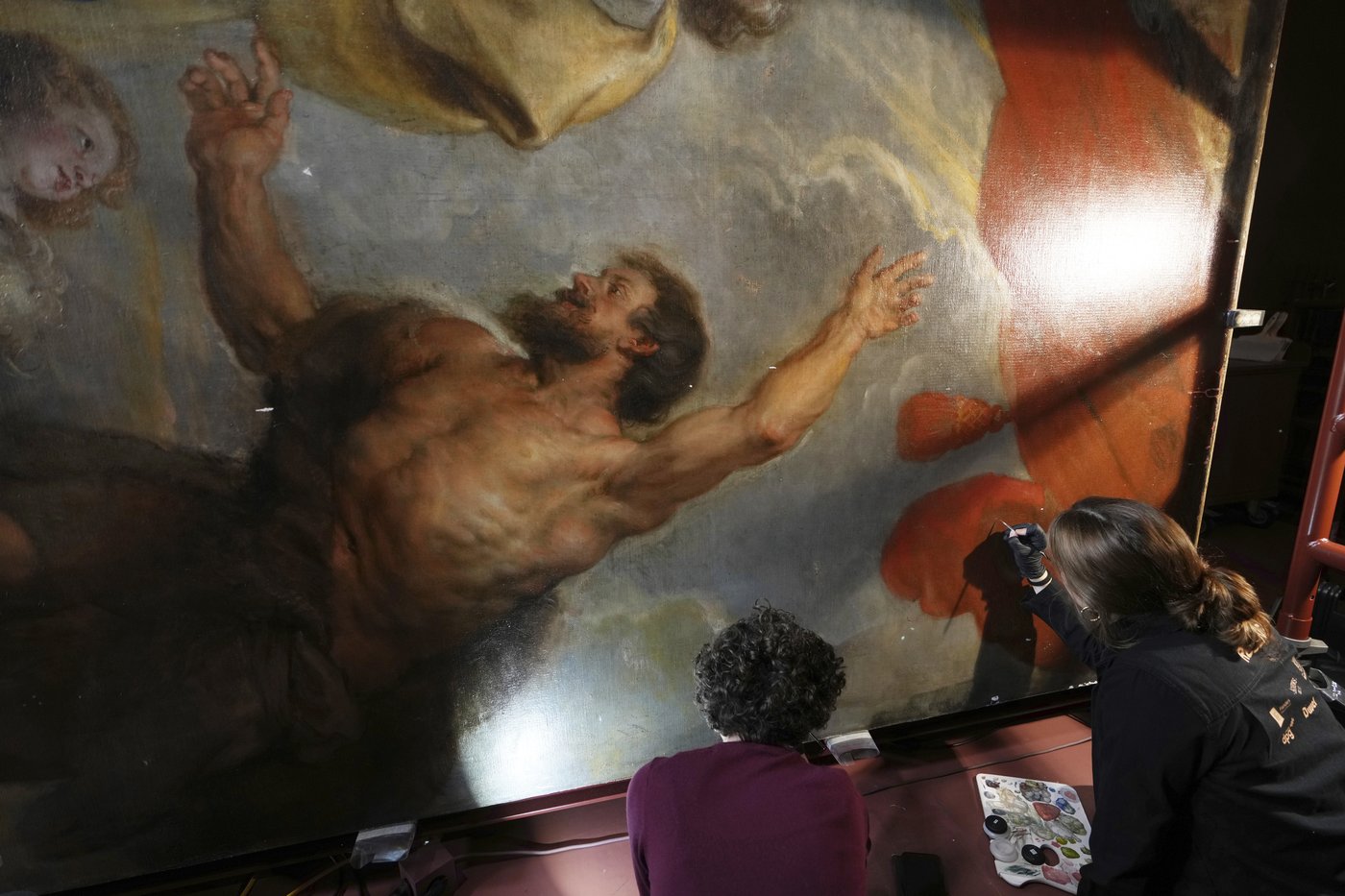
When it comes to restoring iconic paintings, the process typically takes place in a secluded studio. However, for a massive masterpiece by Peter Paul Rubens in his Belgian hometown, the studio had to be brought to the painting itself. In the largest room of Antwerp’s Royal Fine Arts Museum, a team of six restorers is diligently working on the “Enthroned Madonna Adored by Saints,” a stunning work that stands at an impressive 6 meters (19.6 feet) tall.
This ambitious restoration project, which began two years ago and is set to conclude this fall, highlights the challenges of preserving Rubens' grand artistic vision. The artist, known for his flamboyant style, could complete such a monumental piece in just a few weeks, leaving today’s restorers with a daunting task.
Ellen Keppens, who leads the international team of women restorers alongside her twin sister Jill, describes the physical demands of their work. They often find themselves crawling on the floor or crouching under staircases to reach every corner of the painting. “Like our colleague says, she’s become really good at yoga,” Keppens quips, reflecting on the physicality of art restoration.
As they apply undertones to the Baroque masterpiece, the team is acutely aware of the challenges posed by the painting’s condition. The original vibrancy of the colors had been obscured by a thick layer of yellow varnish, which distorted both the hues and the brushwork. This varnish, combined with previous restoration attempts, left the painting looking jaundiced compared to its neighbors, which had been cleaned 35 years ago.
Koen Bulckens, the curator of the Baroque section at the museum, acknowledges the urgency of the project. The restoration of the Madonna is just the beginning; the team will soon turn their attention to another Rubens work, “The Adoration of the Magi,” with a completion goal set for 2027—marking the 450th anniversary of Rubens’ birth.
Despite the meticulous work being done, some museum visitors express concern that the restoration might ruin the beloved painting. Keppens notes that while they sometimes have the opportunity to explain the process to onlookers, they often hear comments in the background questioning the wisdom of their efforts. “We know what’s going to happen next,” she reassures, confident that the final result will reveal the painting’s true splendor.
As the restorers immerse themselves in Rubens’ world day after day, they find that he becomes a significant part of their lives. The task of restoring such monumental works is not just about preserving art; it’s about honoring the legacy of a master who continues to inspire awe centuries later.