Destructive Wildfires Ravage Brazilian Amazon in 2024 due to Climate Change
-
 Loading...
 - Rudolf Ludwig
- 04 Jul 2024
- 58 Views
- 0 Like
- 0 Comment
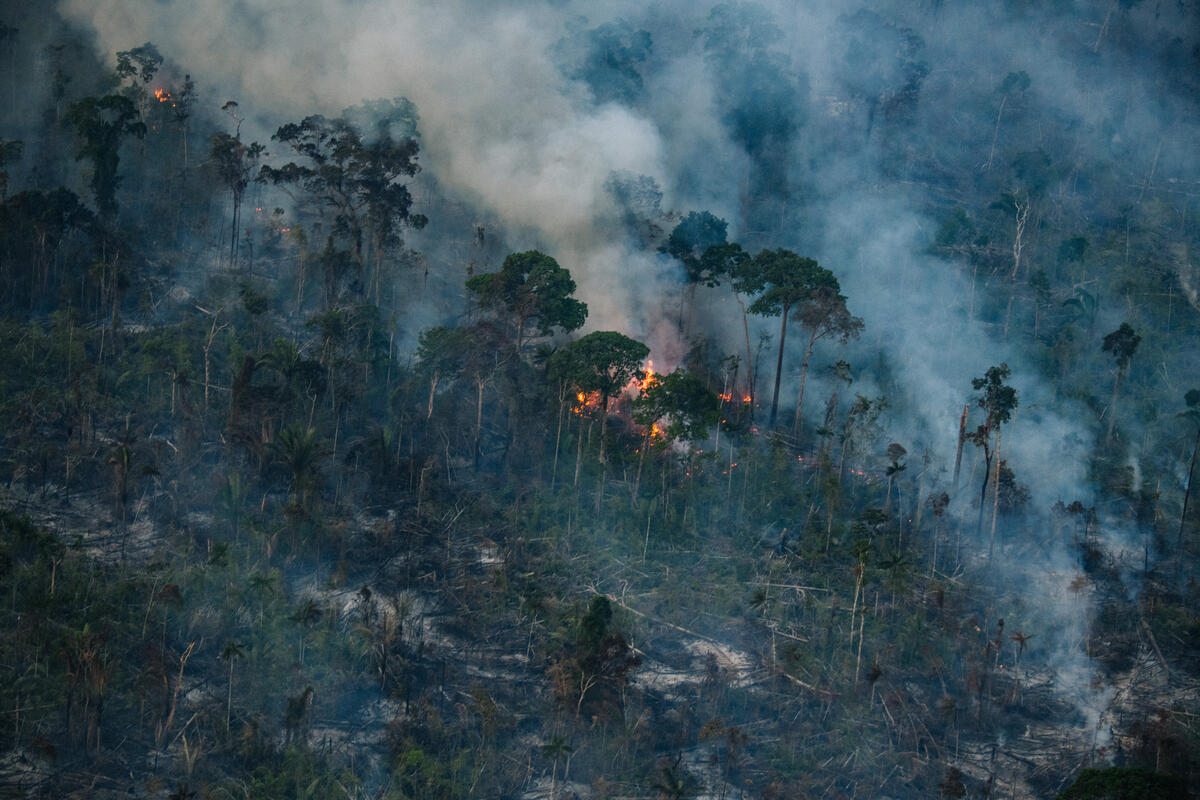
The Brazilian Amazon experienced a devastating surge in wildfires during the first half of 2024, recording 13,489 fires, the worst figure in 20 years, according to satellite data released Monday. This marks a more than 61 percent increase compared to the same period last year, a rise attributed to a historic drought that affected the world's largest tropical rainforest last year.
Since the National Institute for Space Research (INPE) began compiling records in 1998, only 2003 and 2004 had more wildfires from January through June, with 17,143 and 17,340 fires, respectively. This alarming data presents a significant challenge for President Luiz Inacio Lula da Silva's government, even as deforestation rates in the Amazon are decreasing. From January 1 to June 21, deforestation dropped by 42 percent compared to the same period in 2023, according to INPE data.
Lula has pledged to end illegal deforestation of the Amazon by 2030, a practice that worsened dramatically under his far-right predecessor, Jair Bolsonaro. Romulo Batista, a spokesman for Greenpeace Brazil, highlighted climate change as a contributing factor to the increase in wildfires. He explained that many of Brazil's biomes are stressed due to a lack of precipitation, making the environment drier and vegetation more vulnerable to fires.
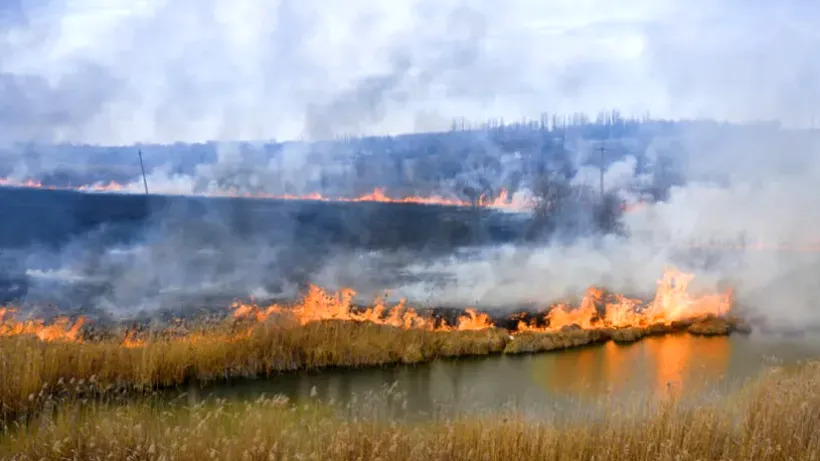
Most of the wildfires are not spontaneous but are caused by human activity, particularly agricultural burning, Batista said. The trend of increasing wildfires extends beyond the Amazon. In the Pantanal, one of the world's largest tropical wetlands, 3,538 wildfires were recorded in the first six months of 2024, marking an increase of over 2,000 percent compared to last year and 40 percent compared to the record-setting year of 2020. June alone saw 2,639 fires, six times the highest number ever recorded.
The Cerrado savanna, another biodiverse ecosystem south of the Amazon, also experienced record-breaking wildfires. The Pantanal's wildlife, including millions of caimans, parrots, giant otters, and the world's highest density of jaguars, is under severe threat due to the fires. Recent days have seen residents of the Pantanal witnessing red-tinged skies and clouds of smoke due to the blazes.
The situation is particularly concerning as the peak wildfire season typically occurs in the second half of the year, especially in September when the weather is driest.