Dive into the Depths: Expert Underwater Photography Tips
-
 Loading...
 - Ryan Taylor
- 19 May 2023
- 63 Views
- 0 Like
- 0 Comment
Capturing the beauty of the underwater world through photography is a thrilling and rewarding experience. Whether you're a professional photographer or a passionate enthusiast, mastering the art of underwater photography requires a unique set of skills and techniques. In this comprehensive guide, we will dive into the depths of underwater photography and explore expert tips that will help you capture stunning images beneath the waves.
Underwater Photography Tips
Underwater photography presents a variety of challenges due to the different environment and lighting conditions. To ensure you get the best shots possible, consider the following tips:
Master Your Equipment: Before you embark on your underwater photography journey, it's crucial to be intimately familiar with your camera gear. Invest time in learning the functions and settings of your camera, underwater housing, and lenses. Practice using them in controlled environments to build confidence and improve your skills.
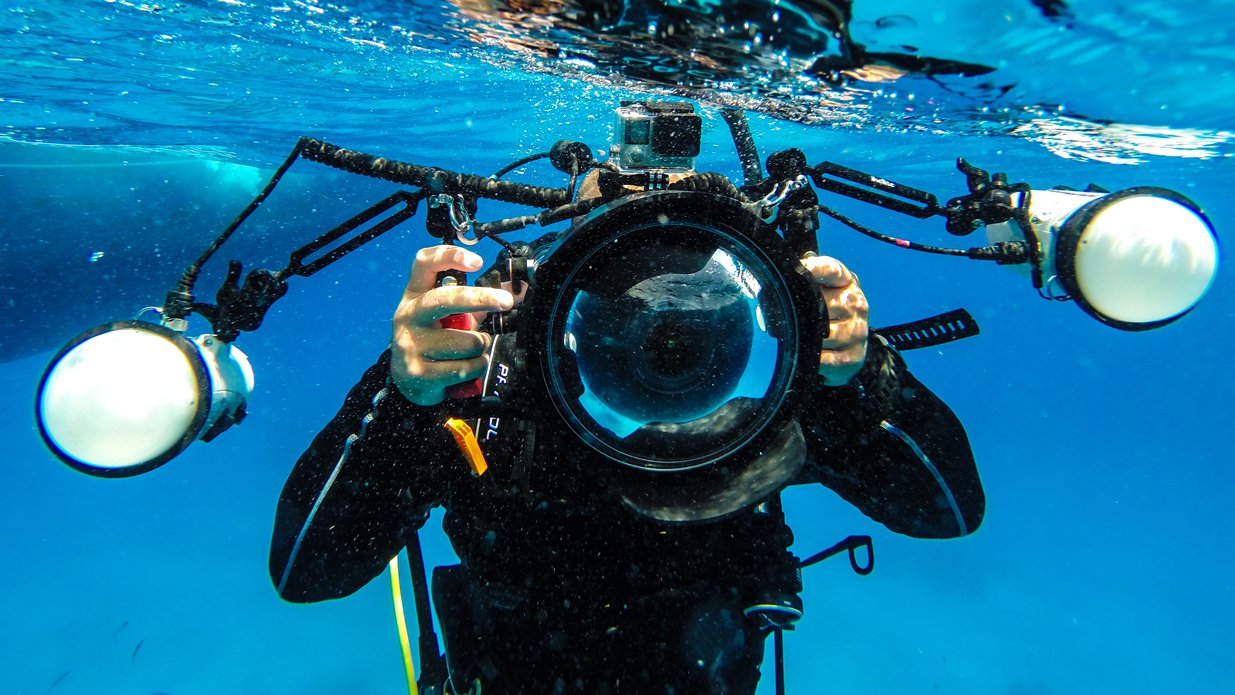
Choose the Right Gear: When it comes to underwater photography, selecting the appropriate equipment is vital. Opt for a camera and housing that can withstand the water pressure and provide adequate protection. Additionally, underwater strobes or continuous lights are essential to illuminate your subjects effectively.
Control Your Buoyancy: Maintaining neutral buoyancy is key to capturing clear and steady shots underwater. Strive to achieve a balance where you can effortlessly hover at any depth without sinking or floating. Proper buoyancy control allows you to focus on composing your shots without being distracted by unnecessary movements.

Compose with Care: Composition plays a crucial role in creating visually captivating underwater photographs. Utilize the principles of photography, such as the rule of thirds, leading lines, and symmetry, to compose your shots. Experiment with different angles and perspectives to add depth and interest to your images.

Understand Natural Lighting: Light behaves differently underwater compared to on land. As you descend, the intensity and color of light change significantly. To capture stunning images, learn to work with available light sources and understand how different colors are absorbed at varying depths. Utilize the golden hours—early morning and late afternoon—when the natural light is at its best.
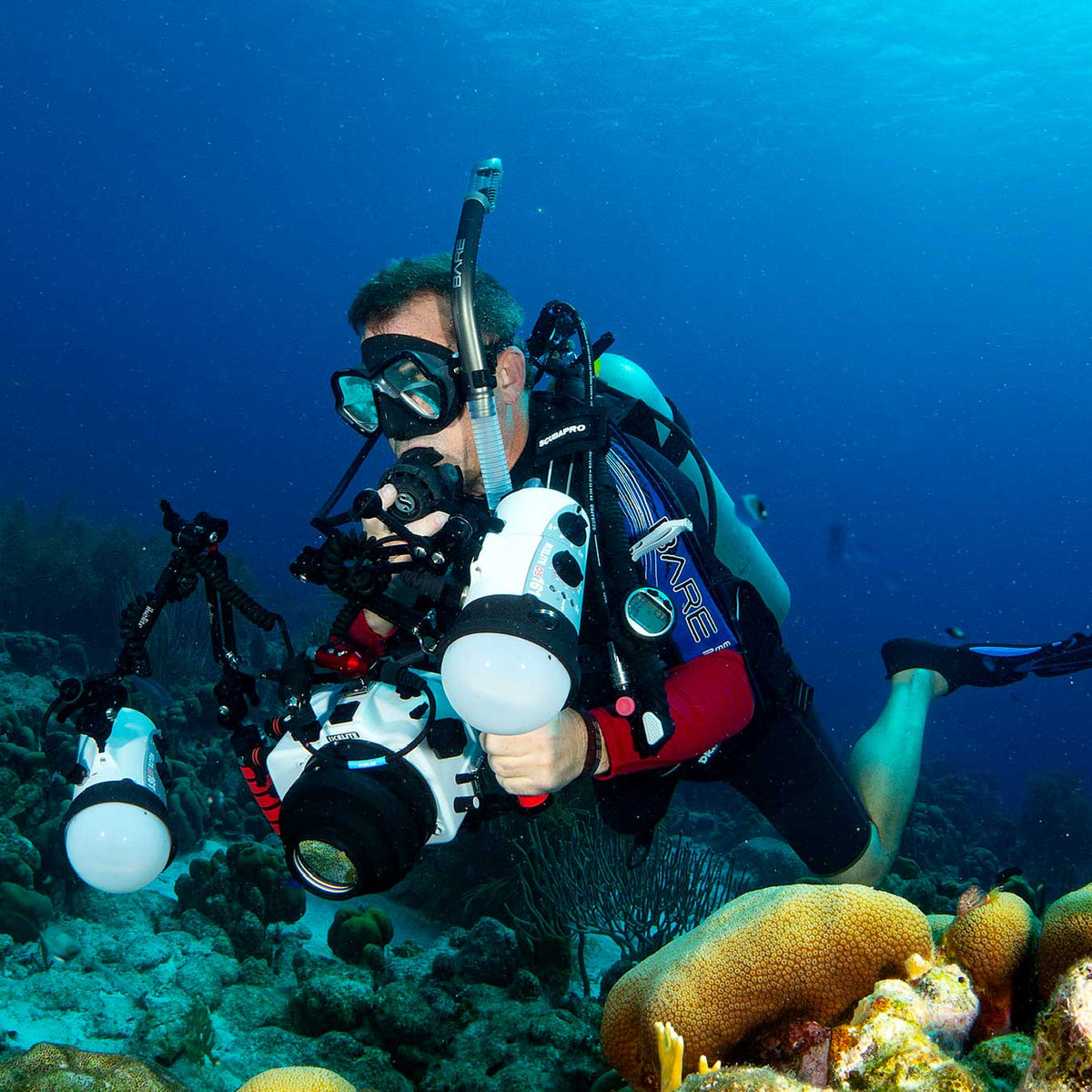
Utilize Artificial Lighting: In situations where natural light is insufficient, artificial lighting becomes essential. Use underwater strobes or continuous lights to illuminate your subjects effectively and bring out their colors. Experiment with different lighting angles and distances to create dramatic effects and avoid harsh shadows.
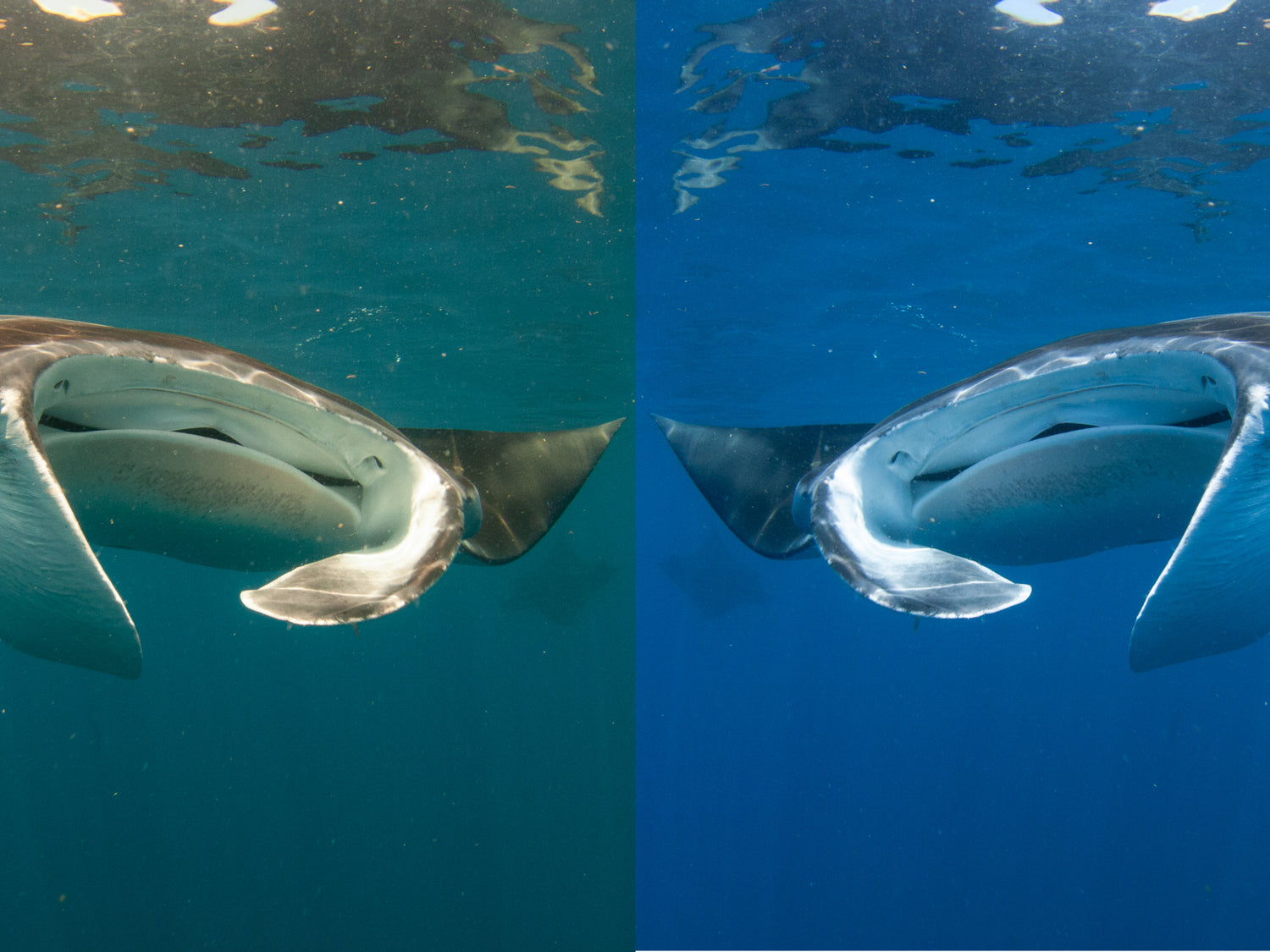
Master White Balance: Achieving accurate white balance is crucial in underwater photography. Water absorbs different colors, resulting in a blue or green cast in your images. Set a custom white balance or use the appropriate underwater white balance preset to restore natural colors to your photos.
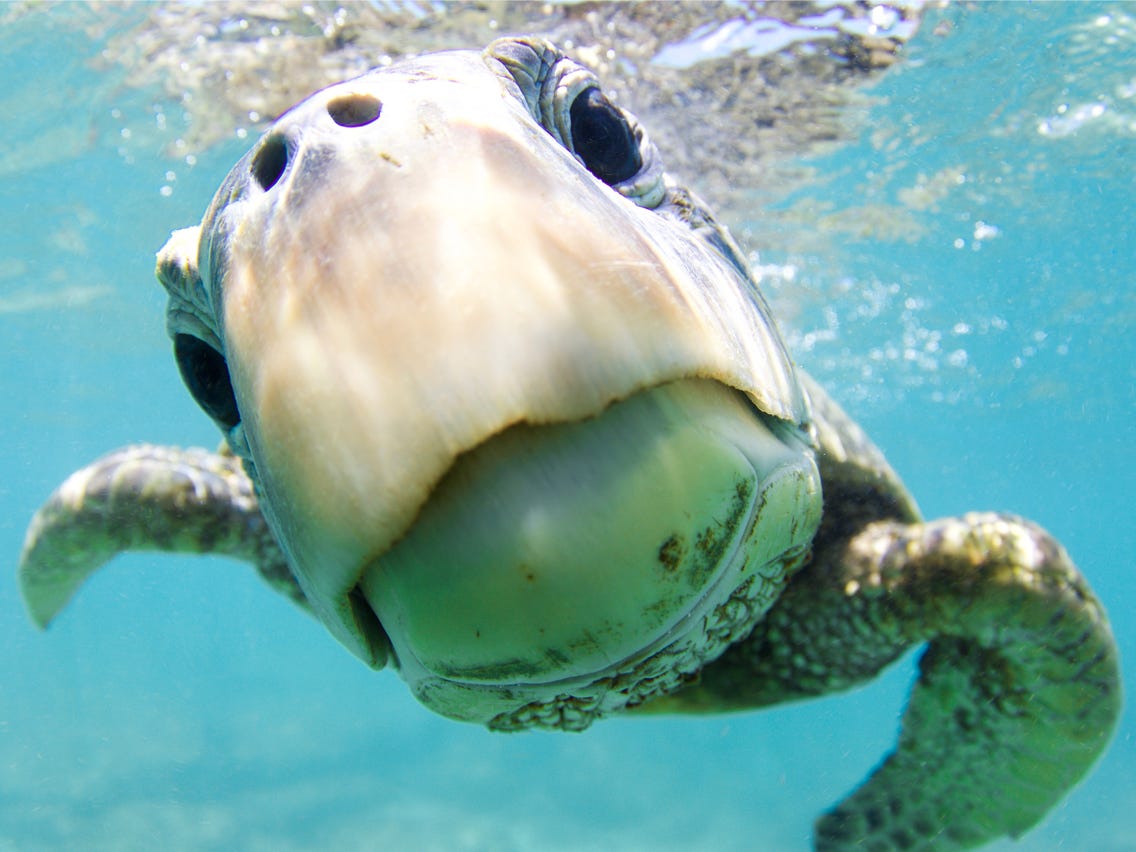
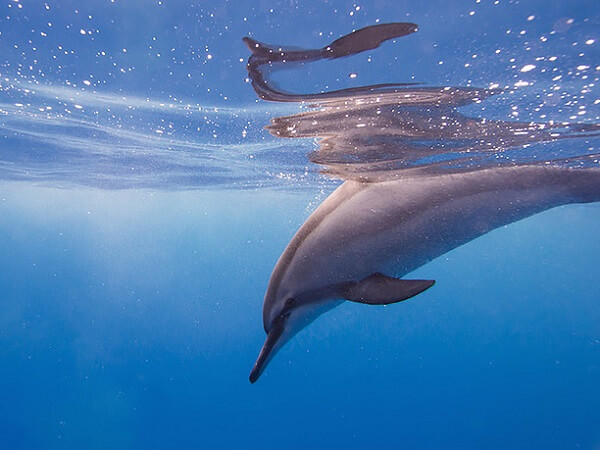
Capture the Right Moment: Underwater scenes can change rapidly, and capturing the perfect moment is often a matter of split seconds. Anticipate the behavior of marine life and be patient. Observe their patterns and movements to capture captivating shots of interaction, feeding, or mating.
Be Mindful of the Environment: As underwater photographers, it is our responsibility to protect and preserve the delicate marine ecosystems we explore. Practice good buoyancy to avoid damaging coral reefs or disturbing marine life. Never touch or harass marine creatures, and ensure your actions leave no trace behind.
Edit with Precision: Post-processing plays a significant role in enhancing your underwater images. Invest time in learning editing software like Adobe Lightroom or Capture One. Adjust exposure, contrast, and colors to bring out the true beauty of the underwater world while maintaining a natural look.
FAQs about Underwater Photography
Q: How do I protect my camera from water damage?
A: Investing in a quality underwater housing specifically designed for your camera model is essential. Additionally, regularly maintain and inspect the housing's O-rings, which provide a watertight seal.
Q: How can I prevent fogging on my camera lens underwater?
A: Fogging can occur when there is a significant temperature difference between the water and the inside of your housing. To prevent this, use anti-fog inserts or apply a defogging solution to your lens before each dive. Also, avoid opening the housing in humid environments to minimize condensation.
Q: What camera settings are ideal for underwater photography?
A: The optimal camera settings can vary depending on the specific conditions and desired results. However, as a general guideline, start with a low ISO setting (e.g., ISO 100-400) to minimize noise, a moderate aperture (e.g., f/8 to f/11) for a greater depth of field, and a faster shutter speed to freeze motion.
Q: How can I capture sharp images underwater?
A: Achieving sharpness underwater can be challenging due to factors like water movement and low light. To increase your chances of capturing sharp images, use a fast shutter speed, stabilize yourself, and utilize proper focusing techniques. Consider using back-button focus or manual focus to ensure your subject is sharp.
Q: What are some safety considerations for underwater photography?
A: Safety should always be a priority when engaging in underwater photography. Ensure you have the necessary diving certifications and experience to handle the underwater environment. Dive with a buddy and communicate effectively underwater. Familiarize yourself with local regulations and dive within your limits.
Q: How can I capture vibrant colors in my underwater photos?
A: To capture vibrant colors, it's essential to understand the color absorption properties of water. As you descend, colors such as red and orange are absorbed first, resulting in a blue or green cast. To counteract this, use artificial lighting, adjust your white balance, and consider shooting in shallower depths where colors are more vibrant.
In conclusion, diving into the depths of underwater photography opens up a world of endless beauty and captivating moments. By applying the expert tips shared in this guide, you can enhance your underwater photography skills and capture stunning images that truly showcase the wonders beneath the waves. Remember to practice, be patient, and respect the marine environment to ensure a rewarding and sustainable experience. So, gear up, dive in, and let your creativity flow through the lens as you explore the fascinating realm of underwater photography.