Home Upload Photo Upload Videos Write a Blog Analytics Messaging Streaming Create Adverts Creators Program
Bebuzee Afghanistan Bebuzee Albania Bebuzee Algeria Bebuzee Andorra Bebuzee Angola Bebuzee Antigua and Barbuda Bebuzee Argentina Bebuzee Armenia Bebuzee Australia Bebuzee Austria Bebuzee Azerbaijan Bebuzee Bahamas Bebuzee Bahrain Bebuzee Bangladesh Bebuzee Barbados Bebuzee Belarus Bebuzee Belgium Bebuzee Belize Bebuzee Benin Bebuzee Bhutan Bebuzee Bolivia Bebuzee Bosnia and Herzegovina Bebuzee Botswana Bebuzee Brazil Bebuzee Brunei Bebuzee Bulgaria Bebuzee Burkina Faso Bebuzee Burundi Bebuzee Cabo Verde Bebuzee Cambodia Bebuzee Cameroon Bebuzee Canada Bebuzee Central African Republic Bebuzee Chad Bebuzee Chile Bebuzee China Bebuzee Colombia Bebuzee Comoros Bebuzee Costa Rica Bebuzee Côte d'Ivoire Bebuzee Croatia Bebuzee Cuba Bebuzee Cyprus Bebuzee Czech Republic Bebuzee Democratic Republic of the Congo Bebuzee Denmark Bebuzee Djibouti Bebuzee Dominica Bebuzee Dominican Republic Bebuzee Ecuador Bebuzee Egypt Bebuzee El Salvador Bebuzee Equatorial Guinea Bebuzee Eritrea Bebuzee Estonia Bebuzee Eswatini Bebuzee Ethiopia Bebuzee Fiji Bebuzee Finland Bebuzee France Bebuzee Gabon Bebuzee Gambia Bebuzee Georgia Bebuzee Germany Bebuzee Ghana Bebuzee Greece Bebuzee Grenada Bebuzee Guatemala Bebuzee Guinea Bebuzee Guinea-Bissau Bebuzee Guyana Bebuzee Haiti Bebuzee Honduras Bebuzee Hong Kong Bebuzee Hungary Bebuzee Iceland Bebuzee India Bebuzee Indonesia Bebuzee Iran Bebuzee Iraq Bebuzee Ireland Bebuzee Israel Bebuzee Italy Bebuzee Jamaica Bebuzee Japan Bebuzee Jordan Bebuzee Kazakhstan Bebuzee Kenya Bebuzee Kiribati Bebuzee Kuwait Bebuzee Kyrgyzstan Bebuzee Laos Bebuzee Latvia Bebuzee Lebanon Bebuzee Lesotho Bebuzee Liberia Bebuzee Libya Bebuzee Liechtenstein Bebuzee Lithuania Bebuzee Luxembourg Bebuzee Madagascar Bebuzee Malawi Bebuzee Malaysia Bebuzee Maldives Bebuzee Mali Bebuzee Malta Bebuzee Marshall Islands Bebuzee Mauritania Bebuzee Mauritius Bebuzee Mexico Bebuzee Micronesia Bebuzee Moldova Bebuzee Monaco Bebuzee Mongolia Bebuzee Montenegro Bebuzee Morocco Bebuzee Mozambique Bebuzee Myanmar Bebuzee Namibia Bebuzee Nauru Bebuzee Nepal Bebuzee Netherlands Bebuzee New Zealand Bebuzee Nicaragua Bebuzee Niger Bebuzee Nigeria Bebuzee North Korea Bebuzee North Macedonia Bebuzee Norway Bebuzee Oman Bebuzee Pakistan Bebuzee Palau Bebuzee Panama Bebuzee Papua New Guinea Bebuzee Paraguay Bebuzee Peru Bebuzee Philippines Bebuzee Poland Bebuzee Portugal Bebuzee Qatar Bebuzee Republic of the Congo Bebuzee Romania Bebuzee Russia Bebuzee Rwanda Bebuzee Saint Kitts and Nevis Bebuzee Saint Lucia Bebuzee Saint Vincent and the Grenadines Bebuzee Samoa Bebuzee San Marino Bebuzee São Tomé and Príncipe Bebuzee Saudi Arabia Bebuzee Senegal Bebuzee Serbia Bebuzee Seychelles Bebuzee Sierra Leone Bebuzee Singapore Bebuzee Slovakia Bebuzee Slovenia Bebuzee Solomon Islands Bebuzee Somalia Bebuzee South Africa Bebuzee South Korea Bebuzee South Sudan Bebuzee Spain Bebuzee Sri Lanka Bebuzee Sudan Bebuzee Suriname Bebuzee Sweden Bebuzee Switzerland Bebuzee Syria Bebuzee Taiwan Bebuzee Tajikistan Bebuzee Tanzania Bebuzee Thailand Bebuzee Timor-Leste Bebuzee Togo Bebuzee Tonga Bebuzee Trinidad and Tobago Bebuzee Tunisia Bebuzee Turkey Bebuzee Turkmenistan Bebuzee Tuvalu Bebuzee Uganda Bebuzee Ukraine Bebuzee United Arab Emirates Bebuzee United Kingdom Bebuzee Uruguay Bebuzee Uzbekistan Bebuzee Vanuatu Bebuzee Venezuela Bebuzee Vietnam Bebuzee World Wide Bebuzee Yemen Bebuzee Zambia Bebuzee Zimbabwe
Blog Image

DNA data offers benefits many of us will never realise

High blood pressure increases your risk of stroke but having high blood pressure and diabetes increases that risk even more. Without a dictionary to interpret, you can know what DNA code is there, but you won't know what it means.

Collecting DNA data is not much help without the key to understanding what it all means. And that key is centralised health records.

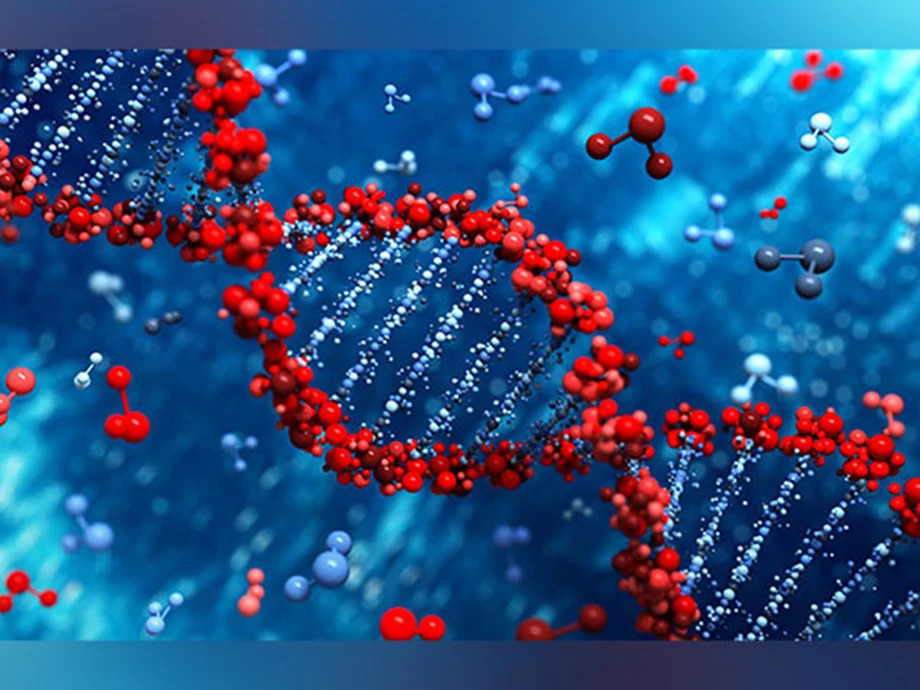
It’s been 70 years since Watson and Crick revealed the double-helix structure of the DNA molecule. Now, instead of wondering at its structure, we chatter about DNA sequencing. We talk about how soon we will each have our own genomic data stored on our home computer. Or a time when a parent will be handed their newborn in one hand and their baby’s genomic code in the other. Or when our phones will beep to alert us that there is a new study showing that a portion of our sequence (or our child’s) has been linked to this or that disease. What we should be talking about is what will hold us back from realising these next steps.

Our increasing technological ability, and reduced cost to sequence genomes, will play a part in making this happen in the next decade or two. But ability and cost are not the key to this future. Instead, comprehensive, centralised health records of populations will be the difference between realising this future, or not. Without health records we will not be able to know what the health implications of these sequences are. Science can read the DNA code, or ‘sequence’ DNA, faster and cheaper and create more raw data than ever before. But how do we interpret it? It's like having a book in a foreign language without a dictionary. The dictionary in this analogy is the complete health record. In the US each person’s dictionary has pages scattered across the country locked in different computer systems — some of which we know about, and others long forgotten (that trip to a community hospital one rainy Sunday night when your child wouldn’t stop coughing during that year you lived in Seattle, perhaps). Information will not make it into a computer in the first place if people can’t afford a visit to the doctor.

It is ironic that the US – a country that is among the world leaders in medical technology — will be among the least likely to move from sequence to meaning in this future. The fragmented and bloated state of an individual’s health information in the US stands in stark contrast to its ability to create technical and life-saving advances – some of the COVID-19 vaccines being among the most recent. In addition to producing the sequence quickly and affordably, we need to match the raw genomic data to the clinical data – all the mundane details about a person and their life – their height, weight over time, their illnesses big and small, their habits (smoking, drinking, exercise). Researchers must disentangle the effects that these attributes and habits have on each other and the genetic code. For example, we know that lack of exercise is not good, but it is worse in the context of being overweight. High blood pressure increases your risk of stroke but having high blood pressure and diabetes increases that risk even more. Read More…


Previous Post

Scientists Boost The Efficiency of a Cheap And Promising Solar Panel Material by 250%

Next Post

A new biomaterial heals heart attack damage in animals. Humans could be next

Comments