Efficiency of peat ecosystems helping contain climate change, underlined by Chile at the Venice Biennal
-
 Loading...
 - Solange Ruiz
- 25 Apr 2022
- 316 Views
- 0 Like
- 0 Comment
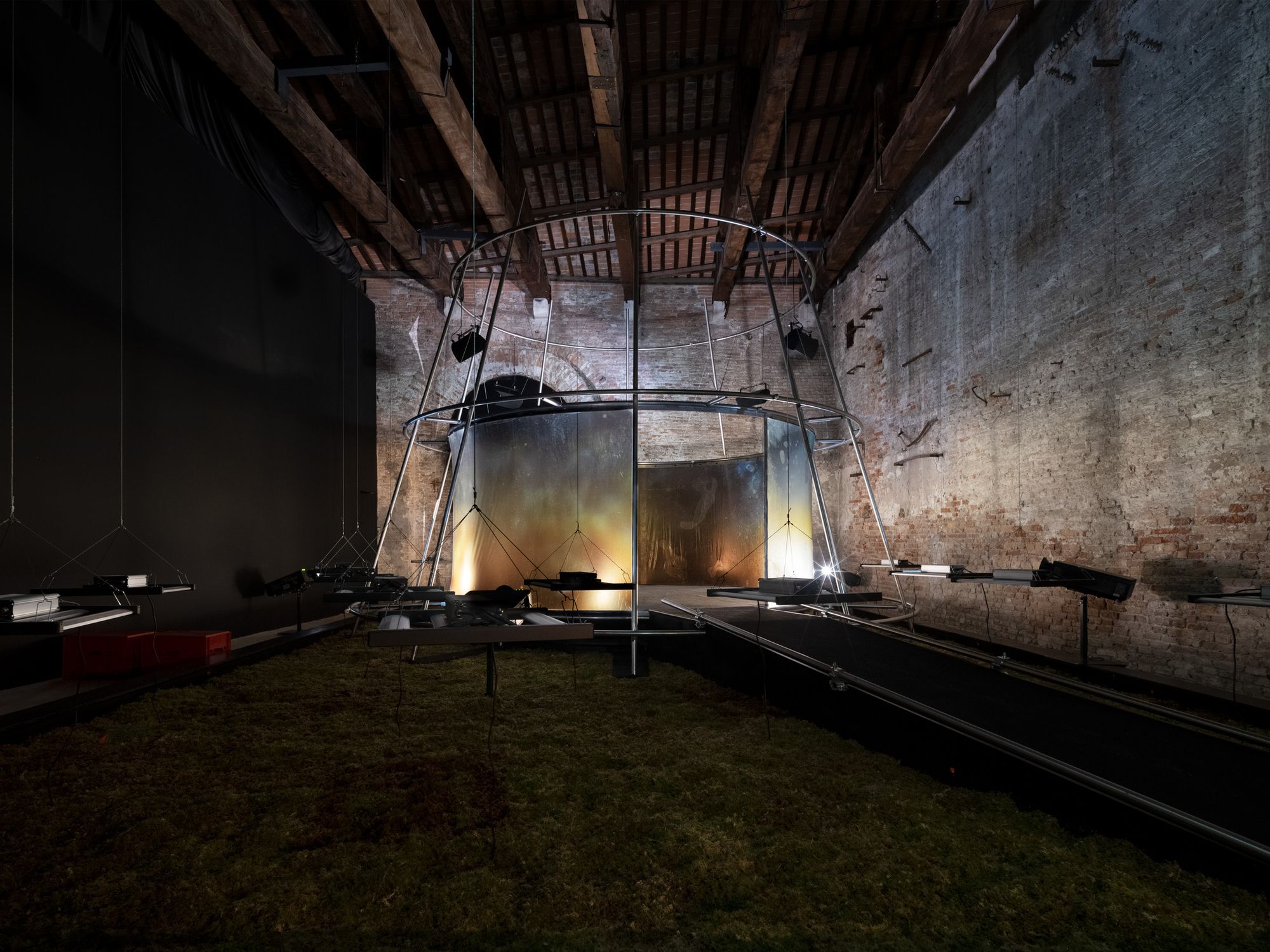
Peat and peat bogs are the most efficient ecosystem to fix and accumulate atmosphere carbon but are one of the least researched, according to the Chilean pavilion which opened last week at the Venice Biennal.
The Chilean display is called “Turba To”l Hol-Hol Tol“ and underlines the properties of peat bogs and the need for conservation precisely because of its conditions.
The project is the result of a competition organized by the Chilean Culture and Arts ministry and proposes a joint effort of the arts, science and traditional knowledge promoting research and the ecological transition to a more livable and cared for environment.
”Patagonia peat bogs are the protagonists of this edition of the Venice Biennal. We hope they become an invitation for reflection and awareness as to caring for ecosystems and effects on climate change. We value the support from the arts, in complicity with other areas of human development, plus the vision of the indigenous peoples, with the purpose of sensitizing, making visible and collaborating in the mitigation the toxic consequences of contamination“, said Diego Garcia head of Magallanes Cultures Department.
”Hol-Hol Tol“ means the 'heart of peat bogs' in selknam tongue of the aboriginal inhabitants of Tierra del Fuego and part of Patagonia.
The project is a scientific experience which invites to immerse in the landscape of the south of the continent, particularly in peat bogs, the most efficient system to fix and accumulate atmosphere carbon precisely in Tierra del Fuego and Patagonia. Read More...