EU’s Nature Restoration Law: make or break for Swedish forests?

Sweden is largely covered by forests, so it’s tempting to think that nature is thriving. However, Swedish forest ecosystems are suffering, write Gustaf Lind and Johanna Sandahl.
Sweden is largely covered by forests, so it’s tempting to think that nature is thriving. However, Swedish forest ecosystems are suffering, write Gustaf Lind and Johanna Sandahl.
Gustaf Lind is the CEO of WWF Sweden. Johanna Sandahl is chair of the Swedish Society for Nature Conservation.
Ever more intensive forest industry practices present an existential threat to the forests that have shaped Swedish landscapes for centuries.
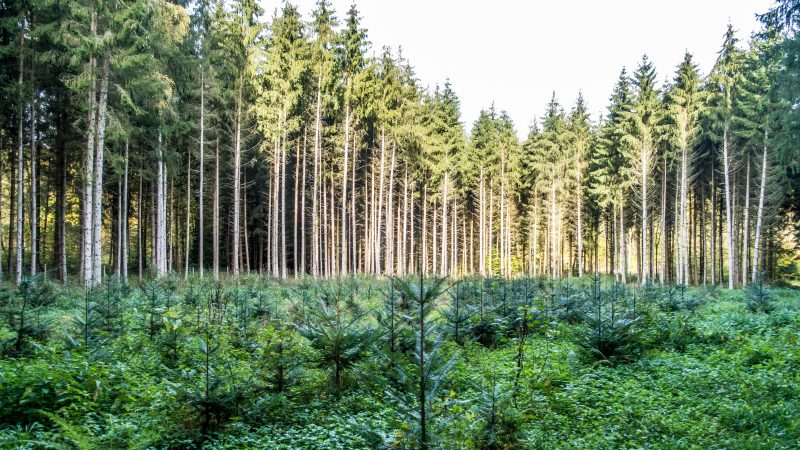
Thousands of hectares of old-growth forests are being chopped down each year and replaced with planted monocultures, destroying and fragmenting the habitats of many threatened and sensitive species.
As a result, more than 2,000 forest species are today red-listed in Sweden, and a recent study has shown that about 400 are threatened by clear-cutting – with devastating consequences for the functions that these complex ecosystems provide, and for their resilience to climate change.
This was echoed by conservation scientists from seven Swedish universities who recently called out the industry’s “deceptive marketing” claims that Swedish forestry is ecologically sustainable.
And yet, for years, Swedish governments have claimed that the country’s forests are sustainability managed, downplaying the threat that today’s forest industry poses to biodiversity.
To add insult to injury, the government promotes further intensification of forestry to produce more biomass for a growing bioeconomy.
The current minister for rural affairs has even proposed to lower the protection of the country’s high conservation value forests, and environmental action budgets are suggested to be cut by 60% until 2025, which leaves essential conservation measures critically underfunded. Read More…