Getting rid of unwanted transformed cells: Possible new directions in cancer therapy
-
 Loading...
 - Aiguo Wang
- 21 Sep 2022
- 76 Views
- 0 Like
- 0 Comment
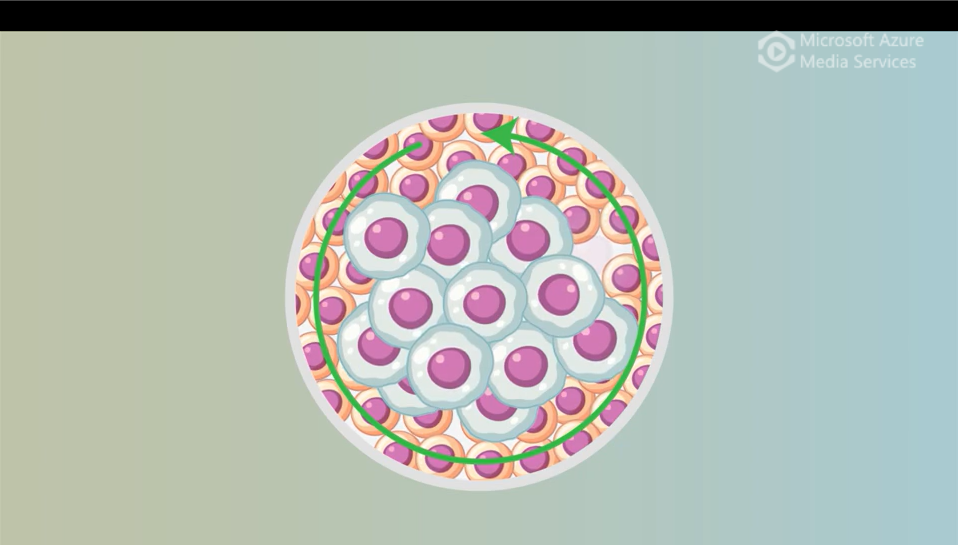
The maintenance of a healthy cell population is a dynamic process, whereby unhealthy cells are eliminated by a defense mechanism called “cell competition”. This process is crucial as unhealthy cells or cells that have accumulated detrimental “genetic mutations” (defects in genes) over time, can initiate the formation of cancer. Cell competition is achieved by healthy normal cells that surround mutant cancer cells through various mechanisms that trigger cell removal. In addition, epithelial cells (a type of cell that constitutes external and internal body surfaces such as skin and internal organs) adopt a cell-death-independent mechanism known as “apical extrusion” to recognize and eliminate transformed cells. While the role of apical extrusion in cell competition has been well elucidated, the regulatory mechanisms underlying this complex dynamic process remain elusive.
“Autophagy” is a process by which cells degrade and recycle cellular components. Dysregulation of autophagy has been implicated in various diseases, including several cancers. While autophagy is known to facilitate the growth and survival of cancer cells at advanced stages, previous studies have indicated that autophagy may have a preventive role in early stages of cancer. Does autophagy regulate the early destruction of cancer cells through cell competition? Read More...