Home Upload Photo Upload Videos Write a Blog Analytics Messaging Streaming Create Adverts Creators Program
Bebuzee Afghanistan Bebuzee Albania Bebuzee Algeria Bebuzee Andorra Bebuzee Angola Bebuzee Antigua and Barbuda Bebuzee Argentina Bebuzee Armenia Bebuzee Australia Bebuzee Austria Bebuzee Azerbaijan Bebuzee Bahamas Bebuzee Bahrain Bebuzee Bangladesh Bebuzee Barbados Bebuzee Belarus Bebuzee Belgium Bebuzee Belize Bebuzee Benin Bebuzee Bhutan Bebuzee Bolivia Bebuzee Bosnia and Herzegovina Bebuzee Botswana Bebuzee Brazil Bebuzee Brunei Bebuzee Bulgaria Bebuzee Burkina Faso Bebuzee Burundi Bebuzee Cabo Verde Bebuzee Cambodia Bebuzee Cameroon Bebuzee Canada Bebuzee Central African Republic Bebuzee Chad Bebuzee Chile Bebuzee China Bebuzee Colombia Bebuzee Comoros Bebuzee Costa Rica Bebuzee Côte d'Ivoire Bebuzee Croatia Bebuzee Cuba Bebuzee Cyprus Bebuzee Czech Republic Bebuzee Democratic Republic of the Congo Bebuzee Denmark Bebuzee Djibouti Bebuzee Dominica Bebuzee Dominican Republic Bebuzee Ecuador Bebuzee Egypt Bebuzee El Salvador Bebuzee Equatorial Guinea Bebuzee Eritrea Bebuzee Estonia Bebuzee Eswatini Bebuzee Ethiopia Bebuzee Fiji Bebuzee Finland Bebuzee France Bebuzee Gabon Bebuzee Gambia Bebuzee Georgia Bebuzee Germany Bebuzee Ghana Bebuzee Greece Bebuzee Grenada Bebuzee Guatemala Bebuzee Guinea Bebuzee Guinea-Bissau Bebuzee Guyana Bebuzee Haiti Bebuzee Honduras Bebuzee Hong Kong Bebuzee Hungary Bebuzee Iceland Bebuzee India Bebuzee Indonesia Bebuzee Iran Bebuzee Iraq Bebuzee Ireland Bebuzee Israel Bebuzee Italy Bebuzee Jamaica Bebuzee Japan Bebuzee Jordan Bebuzee Kazakhstan Bebuzee Kenya Bebuzee Kiribati Bebuzee Kuwait Bebuzee Kyrgyzstan Bebuzee Laos Bebuzee Latvia Bebuzee Lebanon Bebuzee Lesotho Bebuzee Liberia Bebuzee Libya Bebuzee Liechtenstein Bebuzee Lithuania Bebuzee Luxembourg Bebuzee Madagascar Bebuzee Malawi Bebuzee Malaysia Bebuzee Maldives Bebuzee Mali Bebuzee Malta Bebuzee Marshall Islands Bebuzee Mauritania Bebuzee Mauritius Bebuzee Mexico Bebuzee Micronesia Bebuzee Moldova Bebuzee Monaco Bebuzee Mongolia Bebuzee Montenegro Bebuzee Morocco Bebuzee Mozambique Bebuzee Myanmar Bebuzee Namibia Bebuzee Nauru Bebuzee Nepal Bebuzee Netherlands Bebuzee New Zealand Bebuzee Nicaragua Bebuzee Niger Bebuzee Nigeria Bebuzee North Korea Bebuzee North Macedonia Bebuzee Norway Bebuzee Oman Bebuzee Pakistan Bebuzee Palau Bebuzee Panama Bebuzee Papua New Guinea Bebuzee Paraguay Bebuzee Peru Bebuzee Philippines Bebuzee Poland Bebuzee Portugal Bebuzee Qatar Bebuzee Republic of the Congo Bebuzee Romania Bebuzee Russia Bebuzee Rwanda Bebuzee Saint Kitts and Nevis Bebuzee Saint Lucia Bebuzee Saint Vincent and the Grenadines Bebuzee Samoa Bebuzee San Marino Bebuzee São Tomé and Príncipe Bebuzee Saudi Arabia Bebuzee Senegal Bebuzee Serbia Bebuzee Seychelles Bebuzee Sierra Leone Bebuzee Singapore Bebuzee Slovakia Bebuzee Slovenia Bebuzee Solomon Islands Bebuzee Somalia Bebuzee South Africa Bebuzee South Korea Bebuzee South Sudan Bebuzee Spain Bebuzee Sri Lanka Bebuzee Sudan Bebuzee Suriname Bebuzee Sweden Bebuzee Switzerland Bebuzee Syria Bebuzee Taiwan Bebuzee Tajikistan Bebuzee Tanzania Bebuzee Thailand Bebuzee Timor-Leste Bebuzee Togo Bebuzee Tonga Bebuzee Trinidad and Tobago Bebuzee Tunisia Bebuzee Turkey Bebuzee Turkmenistan Bebuzee Tuvalu Bebuzee Uganda Bebuzee Ukraine Bebuzee United Arab Emirates Bebuzee United Kingdom Bebuzee Uruguay Bebuzee Uzbekistan Bebuzee Vanuatu Bebuzee Venezuela Bebuzee Vietnam Bebuzee World Wide Bebuzee Yemen Bebuzee Zambia Bebuzee Zimbabwe
Blog Image

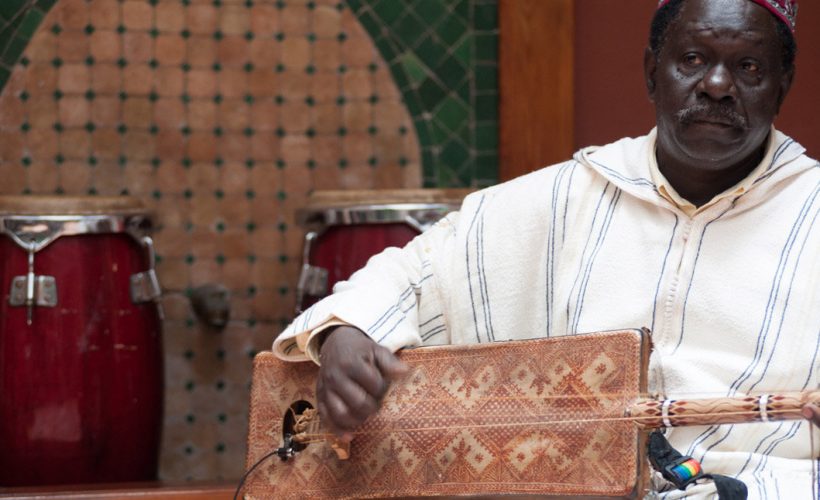
Gnawa, a mainstay of Moroccan music

Moroccan music is currently making waves on social media platforms such as TikTok, with hits like "Darba 9adiya" by Moha K, Yam, and DYSTINC going viral. What makes these songs stand out is the unique sound of the guembri, a key instrument in Gnawa music, which adds a captivating touch to the tracks.

Gnawa music is a fusion of indigenous African rhythms, spiritual chants, and trance-like melodies, originating from West African communities in the Sahel region. The Gnawa people, who were once West African slaves, brought this musical tradition to Morocco, where it has become an integral part of the country's cultural heritage.

The development of Gnawa music in Morocco is linked to the Trans-Saharan slave trade, and the Gnawa were an elite unit of slave-soldiers that protected Moroccan royalty. Over time, they integrated into Moroccan society and their music evolved into a unique synthesis of traditional African elements, Arab, and Berber influences.

Gnawa music is deeply spiritual and is often associated with healing rituals and ceremonies known as "lila" or "derdeba." Led by a "maalem" or master musician, these events use music to induce trance states, allowing participants to connect with ancestral spirits and seek guidance, healing, or protection. Women play a vital role in Gnawa music, both as performers and as organizers and hosts of ceremonies, ensuring that the tradition is passed down through generations.

The guembri, a three-stringed bass made of hollowed wood and adorned with camel or goat skin, and the krakebs, large metal castanets that produce a distinctive and percussive sound, are among the traditional instruments that form the foundation of Gnawa music. Renowned Gnawa musicians such as Maalem Mahmoud Guinia and Hamid El Kasri have gained international fame due to their captivating performances and mastery of these unique instruments.

In recent years, Gnawa music has experienced a resurgence, with artists from various genres incorporating its hypnotic sound into their own work. Fusion projects led by musicians such as Hamid El Kasri blend Gnawa music with jazz, blues, reggae, and electronic music, attracting new audiences to discover this ancestral tradition.

The Gnawa World Music Festival, held annually in Essaouira, Morocco, is a celebration of Gnawa music, culture, and heritage. Since its establishment in 1997, the festival has become one of Africa's largest music events, attracting both local and international artists, as well as thousands of visitors from around the world.

In conclusion, Gnawa music is an essential component of Morocco's cultural heritage, combining traditional African elements, Arab, and Berber influences to create a unique and captivating sound.

Previous Post

All Is Gone! Sparqlyn Inserts New Afrobeat Banger

Next Post

Traditional Music in Senegal 2023

Comments