House of Representatives have rejected a CHF5 billion ($5.5 billion) Ukraine aid plan
-
 Loading...
 - rory theta
- 09 Jun 2023
- 68 Views
- 0 Like
- 0 Comment
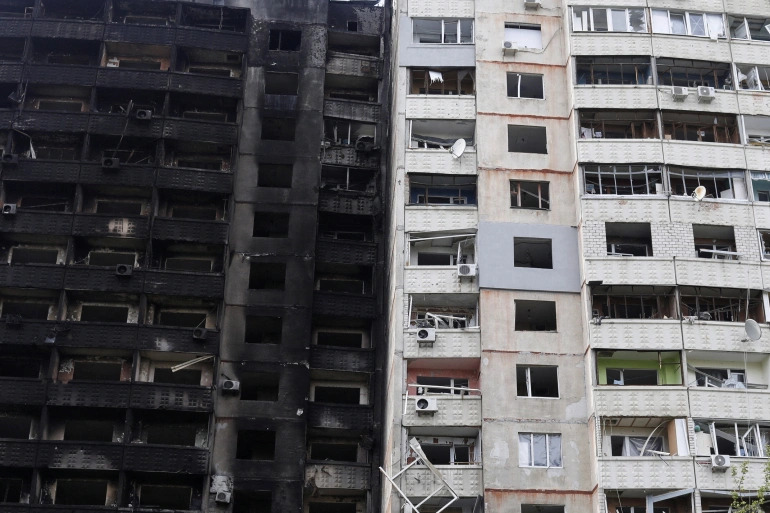
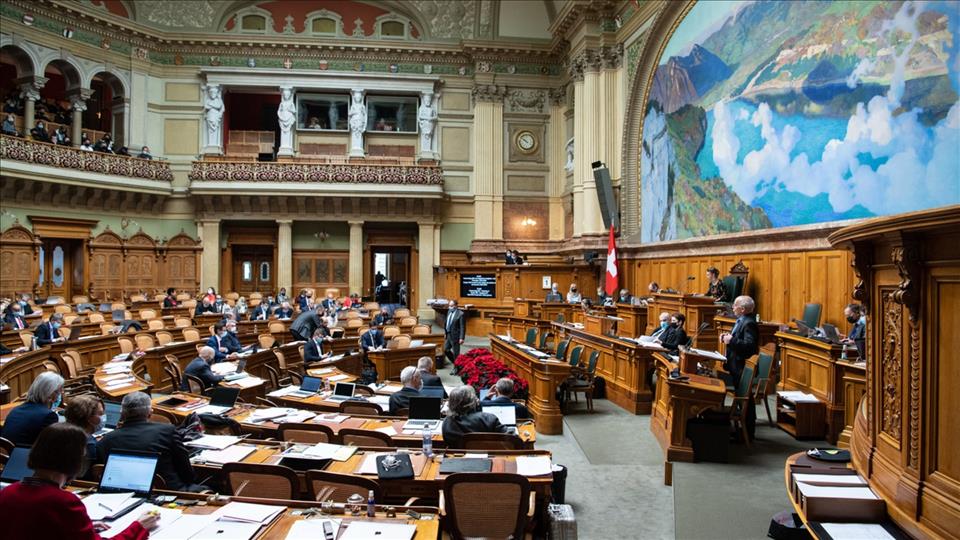
Swiss lawmakers have rejected a CHF5 billion ($5.5 billion) proposal aimed at providing aid to war-torn Ukraine over the next five to ten years. This decision comes shortly before Ukrainian President Volodymyr Zelensky's scheduled address to the Swiss parliament. Additionally, it follows the Senate's approval of a plan allowing the re-exportation of Swiss weapons to third countries, including Ukraine, under strict conditions.
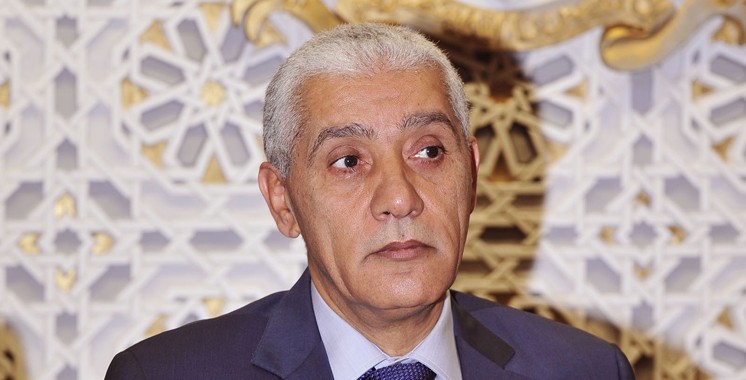
The vote on the motion for a multi-year Ukraine aid package took place on Thursday and was influenced by a majority of right-of-center parliamentarians. Among them was Foreign Minister Ignazio Cassis, who argued against the proposal by stating that the Swiss government had already assembled three support packages for the Ukrainian people, not to mention their efforts in receiving refugees. Cassis emphasized the ongoing nature of the conflict, making it difficult to determine the exact reconstruction requirements at this time.
Cassis pointed out that Switzerland is already making a significant financial contribution, with approximately CHF1.5 billion allocated for Ukraine and its region between 2025 and 2028. He stated that aid would increase to around CHF1.8 billion over the next six years, with CHF300 million planned for 2023-2024.
The second international conference on the reconstruction of Ukraine is scheduled to take place in London on June 21-22, building upon last year's meeting in Lugano organized by Switzerland. The conference organizers aim to mobilize international support for Ukraine's economic recovery, including emergency assistance for immediate needs and private sector involvement in the reconstruction process.
Cassis, who is expected to attend the conference, expressed the Swiss government's willingness to contribute to Ukraine's reconstruction. However, he emphasized the need for a careful assessment of the requirements and financing. The federal authorities are currently evaluating the legal framework, financing options, and modalities for Switzerland's participation in the reconstruction process, including the involvement of the private sector. The conclusions of this evaluation will be presented before the summer holidays, and the Federal Council is expected to propose a multibillion-dollar plan based on these findings.
Supporters of the aid package motion had urged neutral Switzerland to increase its commitment to Ukraine. Green parliamentarian Nicolas Walder stated that refraining from supplying arms should not exempt Switzerland from demonstrating solidarity and support for Ukraine. Walder also expressed disappointment in Switzerland's low ranking among European countries in terms of aid provided to Ukraine, with only 0.22% of GDP allocated.
The Senate is scheduled to discuss the issue of aid for Ukraine on June 12.