Home Upload Photo Upload Videos Write a Blog Analytics Messaging Streaming Create Adverts Creators Program
Bebuzee Afghanistan Bebuzee Albania Bebuzee Algeria Bebuzee Andorra Bebuzee Angola Bebuzee Antigua and Barbuda Bebuzee Argentina Bebuzee Armenia Bebuzee Australia Bebuzee Austria Bebuzee Azerbaijan Bebuzee Bahamas Bebuzee Bahrain Bebuzee Bangladesh Bebuzee Barbados Bebuzee Belarus Bebuzee Belgium Bebuzee Belize Bebuzee Benin Bebuzee Bhutan Bebuzee Bolivia Bebuzee Bosnia and Herzegovina Bebuzee Botswana Bebuzee Brazil Bebuzee Brunei Bebuzee Bulgaria Bebuzee Burkina Faso Bebuzee Burundi Bebuzee Cabo Verde Bebuzee Cambodia Bebuzee Cameroon Bebuzee Canada Bebuzee Central African Republic Bebuzee Chad Bebuzee Chile Bebuzee China Bebuzee Colombia Bebuzee Comoros Bebuzee Costa Rica Bebuzee Côte d'Ivoire Bebuzee Croatia Bebuzee Cuba Bebuzee Cyprus Bebuzee Czech Republic Bebuzee Democratic Republic of the Congo Bebuzee Denmark Bebuzee Djibouti Bebuzee Dominica Bebuzee Dominican Republic Bebuzee Ecuador Bebuzee Egypt Bebuzee El Salvador Bebuzee Equatorial Guinea Bebuzee Eritrea Bebuzee Estonia Bebuzee Eswatini Bebuzee Ethiopia Bebuzee Fiji Bebuzee Finland Bebuzee France Bebuzee Gabon Bebuzee Gambia Bebuzee Georgia Bebuzee Germany Bebuzee Ghana Bebuzee Greece Bebuzee Grenada Bebuzee Guatemala Bebuzee Guinea Bebuzee Guinea-Bissau Bebuzee Guyana Bebuzee Haiti Bebuzee Honduras Bebuzee Hong Kong Bebuzee Hungary Bebuzee Iceland Bebuzee India Bebuzee Indonesia Bebuzee Iran Bebuzee Iraq Bebuzee Ireland Bebuzee Israel Bebuzee Italy Bebuzee Jamaica Bebuzee Japan Bebuzee Jordan Bebuzee Kazakhstan Bebuzee Kenya Bebuzee Kiribati Bebuzee Kuwait Bebuzee Kyrgyzstan Bebuzee Laos Bebuzee Latvia Bebuzee Lebanon Bebuzee Lesotho Bebuzee Liberia Bebuzee Libya Bebuzee Liechtenstein Bebuzee Lithuania Bebuzee Luxembourg Bebuzee Madagascar Bebuzee Malawi Bebuzee Malaysia Bebuzee Maldives Bebuzee Mali Bebuzee Malta Bebuzee Marshall Islands Bebuzee Mauritania Bebuzee Mauritius Bebuzee Mexico Bebuzee Micronesia Bebuzee Moldova Bebuzee Monaco Bebuzee Mongolia Bebuzee Montenegro Bebuzee Morocco Bebuzee Mozambique Bebuzee Myanmar Bebuzee Namibia Bebuzee Nauru Bebuzee Nepal Bebuzee Netherlands Bebuzee New Zealand Bebuzee Nicaragua Bebuzee Niger Bebuzee Nigeria Bebuzee North Korea Bebuzee North Macedonia Bebuzee Norway Bebuzee Oman Bebuzee Pakistan Bebuzee Palau Bebuzee Panama Bebuzee Papua New Guinea Bebuzee Paraguay Bebuzee Peru Bebuzee Philippines Bebuzee Poland Bebuzee Portugal Bebuzee Qatar Bebuzee Republic of the Congo Bebuzee Romania Bebuzee Russia Bebuzee Rwanda Bebuzee Saint Kitts and Nevis Bebuzee Saint Lucia Bebuzee Saint Vincent and the Grenadines Bebuzee Samoa Bebuzee San Marino Bebuzee São Tomé and Príncipe Bebuzee Saudi Arabia Bebuzee Senegal Bebuzee Serbia Bebuzee Seychelles Bebuzee Sierra Leone Bebuzee Singapore Bebuzee Slovakia Bebuzee Slovenia Bebuzee Solomon Islands Bebuzee Somalia Bebuzee South Africa Bebuzee South Korea Bebuzee South Sudan Bebuzee Spain Bebuzee Sri Lanka Bebuzee Sudan Bebuzee Suriname Bebuzee Sweden Bebuzee Switzerland Bebuzee Syria Bebuzee Taiwan Bebuzee Tajikistan Bebuzee Tanzania Bebuzee Thailand Bebuzee Timor-Leste Bebuzee Togo Bebuzee Tonga Bebuzee Trinidad and Tobago Bebuzee Tunisia Bebuzee Turkey Bebuzee Turkmenistan Bebuzee Tuvalu Bebuzee Uganda Bebuzee Ukraine Bebuzee United Arab Emirates Bebuzee United Kingdom Bebuzee United States Bebuzee Uruguay Bebuzee Uzbekistan Bebuzee Vanuatu Bebuzee Venezuela Bebuzee Vietnam Bebuzee World Wide Bebuzee Yemen Bebuzee Zambia Bebuzee Zimbabwe
Blog Image

How Targeting LGBTQ+ Rights Are Part of the Authoritarian Playbook

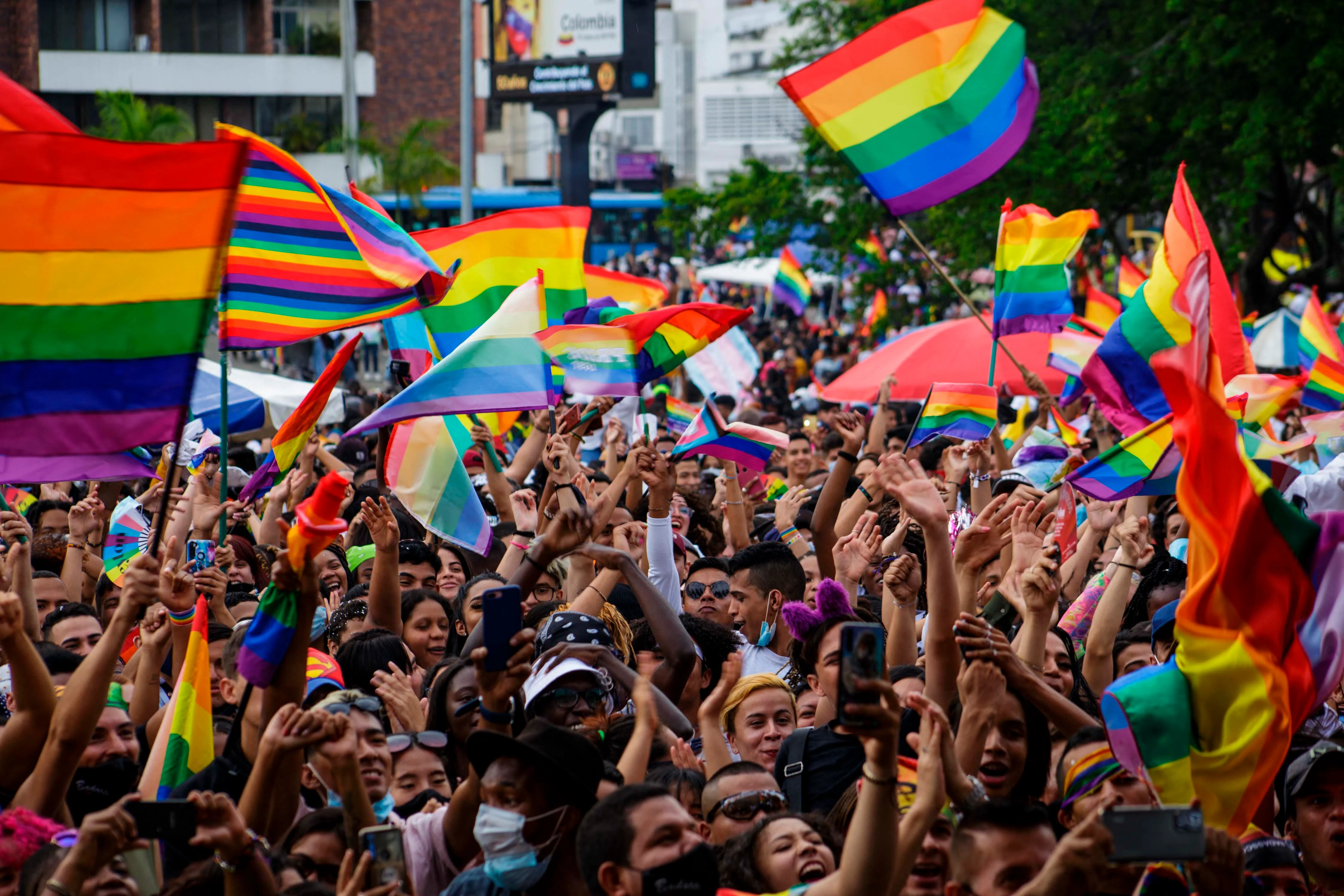
In the last three decades, protections for LGBT people’s rights have advanced rapidly in many countries and regions. However, rising populist authoritarianism poses a significant threat to this progress because abolishing sexual freedom is often at the heart of repressive political projects. The progress and backsliding in my home country, Colombia, illustrates the process of using democracy to erode rights. 

In 2016, Colombia seemed like a legislative paradise for LGBT people. That year, a pinnacle of legislative success was a Constitutional Court ruling that secured a range of family rights for same-sex couples, including marriage and adoption, and protection of LGBT students in schools. But toward the end of the year, there was another exceptional event. In an effort to end a brutal, decades-long armed conflict, the Andean country held a plebiscite on a peace agreement between the Colombian government and the Revolutionary Armed Forces of Colombia (FARC) guerrillas. Unexpectedly, a small majority of 50.2 percent rejected the agreement after a bitter and polarizing campaign.

A key issue that mobilized the “no” electorate was the moral panic generated by the inclusion of gender, women rights, and LGBT-related provisions in the peace agreement, including a  definition of gender and the explicit recognition of these populations as victims of the armed conflict. Extremist groups decried these provisions as imposing a “gender ideology,” tapping into a recent controversy about gender and sexuality education in schools.

Following the suicide of a queer student who had experienced severe bullying and discrimination in school, the Constitutional Court directed the government to carry out an existing law detailing measures to protect LGBT students from discrimination and to recognize diversity in sexual orientation and gender identity as a principle of comprehensive sexuality education. Conservative groups attacked this decision as imposing “gender ideology” on children, and social media became a battleground where the fate of Colombia’s peace was intertwined with the fate of LGBT people.

Many Colombians followed the conservative groups’ reasoning and conflated the peace agreement and the Court’s decision, believing the peace deal itself advanced “gender ideology” through gender and LGBT inclusive provisions. Again, social media—this time coupled with ballots—was the site of this mobilization. Political actors disseminated outrageous falsehoods regarding the peace agreement on social media networks, including WhatsApp, Facebook, and Twitter, all of which impacted the public perception of the plebiscite. Notably, several fueled the idea that if the peace agreement were approved, “gender ideology” would be included in the Constitution and society would be “homosexualized.”

This juxtaposition between success in court and the mobilization of anti-LGBT sentiment on the streets left me questioning the efficacy of using law reform as a primary strategy to advance LGBT rights. Six years after the rejection of the peace agreement referendum, I can see that what happened in Colombia was not an isolated incident; instead, it has now formed an integral part of a new authoritarian playbook that manipulates democratic institutions to undermine the rights of women and LGBT people. Read More...

Previous Post

In Colombia, UN Women Executive Director galvanizes action for women's leadership and gender equality

Next Post

Afro-Colombians helped install a new government in Bogotà¡. Will it address their needs?

Comments