How the Far Left paves the way for the Far Right, the Chilean experience
-
 Loading...
 - Cecile Sanchez
- 07 Jun 2023
- 69 Views
- 0 Like
- 0 Comment
In October 2022, Chileans elected a far-left constitutional convention that produced an extremely radical text, resulting in its rejection by nearly two-thirds of voters. Now, Chileans have chosen a new Constitutional Council, placing a far-right party in a position of power.
In May 2021, Chileans elected a constitutional convention where the far left dominated, while the right had less than one-third of the seats needed to block contentious provisions. This convention drafted an exceptionally radical text, leading to its rejection by almost two-thirds of voters in a referendum. Subsequently, Chileans elected a new Constitutional Council, this time granting control to a far-right party, while the left held less than one-third of the votes.
What is the reason behind this shift? Could it be attributed to the influence of Chile's renowned cabernets and carménères on the voters?
The answer lies partly in global and regional trends. Recent elections have seen right-wing populists with varying degrees of overt authoritarian leanings achieve significant victories, such as Donald Trump in the United States, Narendra Modi in India, Viktor Orbán in Hungary, and Recep Tayyip Erdoğan in Turkey. Latin America, known for not shying away from global trends, has followed suit.
Jair Bolsonaro set the stage by winning the Brazilian presidential election in 2018. Nayib Bukele of El Salvador waged war against drugs and gangs, disregarding the checks and balances of the previously established democracy, and gained immense popularity. In Argentina, Javier Milei, a populist who espouses a peculiar blend of libertarian and hard-right ideas, appears to be the leading candidate in the upcoming presidential election in October.
While global media has focused on Latin America's "pink tide" of leftist governments, perhaps it's time to shift the attention to a "brown tide" of Bukele-like figures who adopt a tough stance on crime and dismiss due process and constitutional guarantees as weak.
Chileans often believe that their country is distinct from others in the region, and in many ways, they are correct. Their football is average, their Spanish is challenging for other native speakers to comprehend, and they maintain fiscal prudence. According to The Economist Intelligence Unit's 2022 Democracy Index, Chile, along with Uruguay and Costa Rica, remains one of the most democratic countries in Latin America.
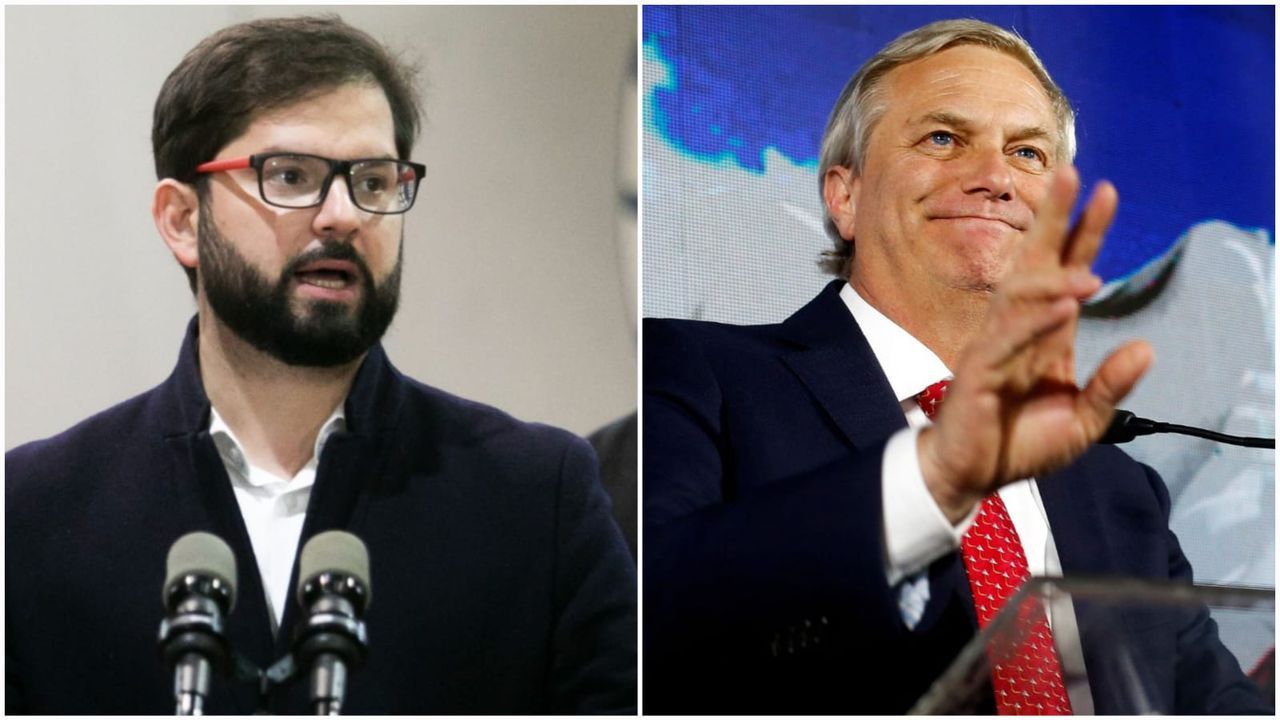
Even their far-left leaders stand apart. While presidents from the "pink tide" still assert that Cuba is a democracy, Nicaraguan strongman Daniel Ortega is a freedom fighter, and Russian President Vladimir Putin was provoked into invading Ukraine, Chile's president, Gabriel Boric, a tattooed former student leader at the age of 37, has been unreserved in his criticism of all three.
Yet, the situation has taken an unexpected turn. José Antonio Kast, the leader of the new Republican party, which controls Chile's constitutional assembly, is a quintessential ultra-conservative figure who has expressed favorable views about former dictator Augusto Pinochet, made derogatory remarks about immigrants and the LGBTQ+ community, and, as a devout right-wing Catholic, has nine children. Having learned from the Trump-Erdoğan-Bolsonaro playbook, Kast and his party now hold a dominant position for the upcoming parliamentary and presidential elections.
However, the recent shift, which has propelled the country from far left to far right in just two years, is not solely a result of Chilean voters following trends. It is less about faddishness and more about two other critical factors: frustration and fear.
Chileans are not frustrated in the manner conventional wisdom suggests. After the extensive street demonstrations and riots in late 2019, a simplistic consensus emerged: the unrest stemmed from inequality and a dislike of market economics (disregarding the fact that the Gini coefficient, a standard measure of income inequality, had been declining since 1990). The idea was to replace the cautious middle-of-the-road generation with a new, youthful generation committed to "changing the system" to alleviate frustration.
Boric's generation assumed power in early 2022, promising to raise taxes on the wealthy and redistribute the proceeds. However, voter anger has only intensified. Barely 30% approve of Boric's performance, and his coalition has suffered significant defeats in the last two elections.
This is partly due to the younger politicians adopting the same detrimental practices as their predecessors by appointing unskilled and inexperienced cronies to positions of power. Moreover, they often appear out of touch with the concerns of the middle-class Chileans. The draft constitution they created seemed to be extracted from a post-colonial studies course in Paris or New York, but it hardly reflected the priorities of the middle-class population.
This leads us to the third crucial factor: fear. In the recent election, nearly one-third of voters identified crime, drugs, and personal security as their primary reasons for supporting a particular candidate. 47% of those who voted for Kast's Republicans cited the same concerns.
While Chile's crime rates remain relatively low compared to neighboring countries, there has been an increase in reports of violent robberies, and homicides rose by 35% between 2018 and 2022. Street muggings in Santiago have escalated from knife incidents to involving semi-automatic weapons. The killings of three police officers, one of them pregnant, in the month before the recent election further contributed to the prevailing sense of panic.
Today, the average voter wants to hear one thing from politicians: how they will ensure safer streets. On this front, the government has lost almost all credibility. Many of the young men and women who now hold ministerial positions or serve as far-left members of parliament had previously praised those who vandalized over a dozen subway stations and hundreds of shops in late 2019. The symbol of the rioters, seen on T-shirts and flags, was a black dog named Matapacos (cop-killer).
Initially, the Boric administration attempted to pass an amnesty law covering most crimes committed during that period. However, this proved to be infeasible as it was met with strong opposition from the public and a majority of parliament. In an attempt to appease the hardliners within his coalition, Boric selectively pardoned 12 individuals who had already been sentenced and a man serving time for a politically motivated bank robbery in 2013. This decision sparked a political firestorm, which was only extinguished by the resignations of the justice minister and Boric's chief of staff.
It is important to note that the government is not solely responsible for the recent surge in crime in Chile. However, throughout South America, politicians who are perceived as legitimizing violence or being lenient on crime face severe backlash. Boric appears to have learned this lesson too late, inadvertently gifting Kast and his socially-conservative populist brand of authoritarianism-with-a-smile the perfect opportunity.