How to Choose the Best ERP Software for your Business
-
 Loading...
 - Angela De Witte
- 14 Sep 2022
- 66 Views
- 0 Like
- 0 Comment
What is an ERP?
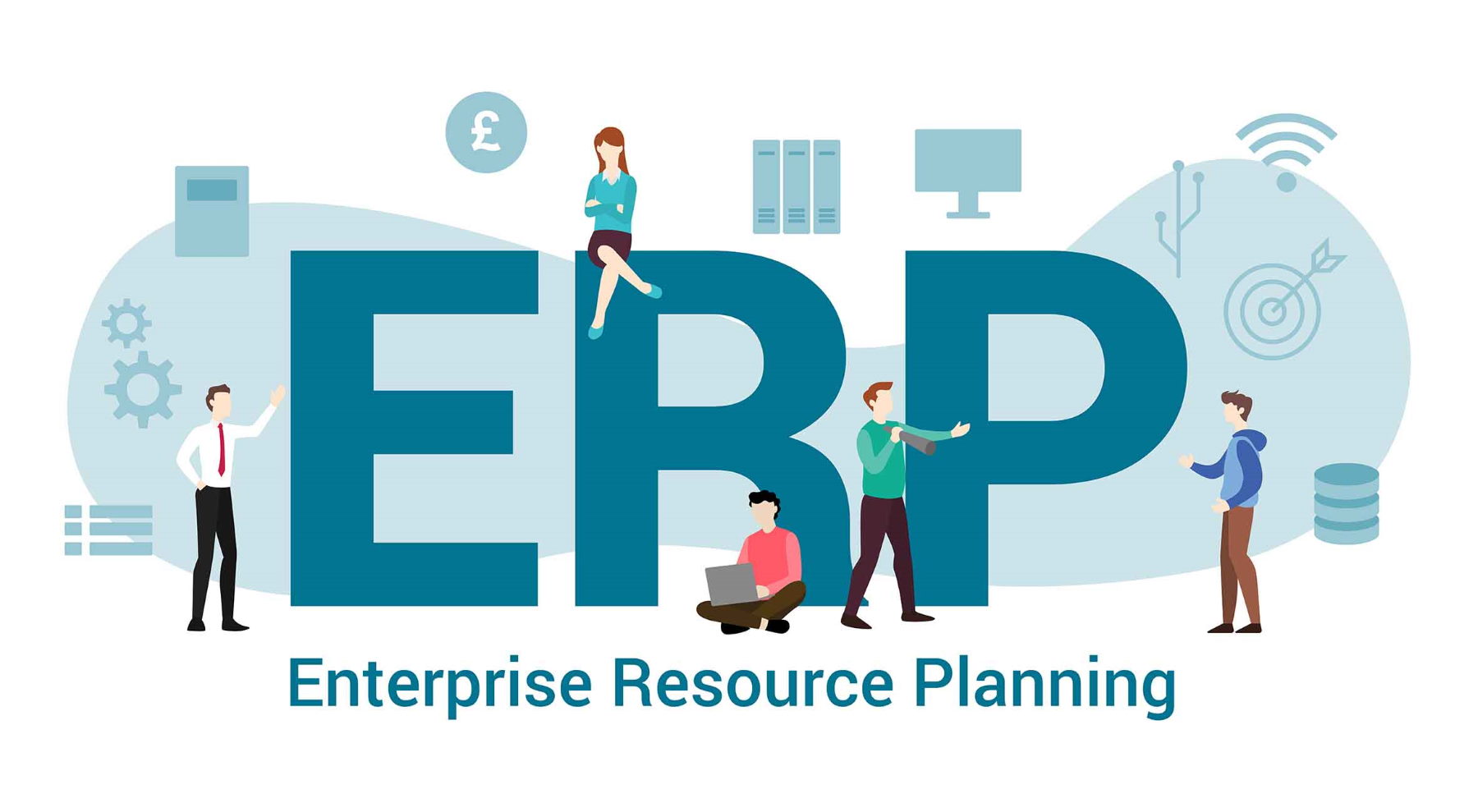
Enterprise Resource Planning Software (ERP Software) is a business management software capable of managing the entire business and its processes from a single dashboard using the power of clouds, AI (Artificial Intelligence), and Machine Learning. It integrates all the processes, establishes data connectivity, and provides true insights to optimize the processes anytime and from anywhere.
The ERP solution offers various features to modern businesses, like customized deployment options, complete privacy and security, seamless functioning, practicability, automation, app integrations, and software customizations. These powerful factors will not only help you build your business for today, but also help you prepare for tomorrow.
There are a lot of ERP solutions available in the market, but choosing the best for the business is the most important task for a professional, researcher, or business owner.
However, selecting the best ERP software depends on the business’s nature, ERP usage, and unique requirements. Before getting into the factors to select the best ERP, let us tell you more about the ERP and its structure.
Evolution of ERP Systems
In 1913, Ford Whitman Harris developed a system for production scheduling named the EOQ (Economic Order Quantity) model, and people accepted it as a standard for manufacturing. But in 1964, Toolmaker Black and Decker became the first company to endorse an MRP (Material Requirements Planning) solution with the features of EOQ integrated with a mainframe computer system.
MRP became the manufacturing standard for organizations until MRP II was introduced in 1983. MRP II includes the modules and major manufacturing components like material bills, scheduling, purchase, and management of contracts. The MRP II gave the vision to use software for integrating and sharing the organization’s data with increased efficiency, less inventory storage, and workable production planning.
With the increasing computer technologies, systems like MRP II were started to develop by various organizations to manage the processes of finance, sales and marketing, human resources, supply chain management, and manufacturing. Read More...