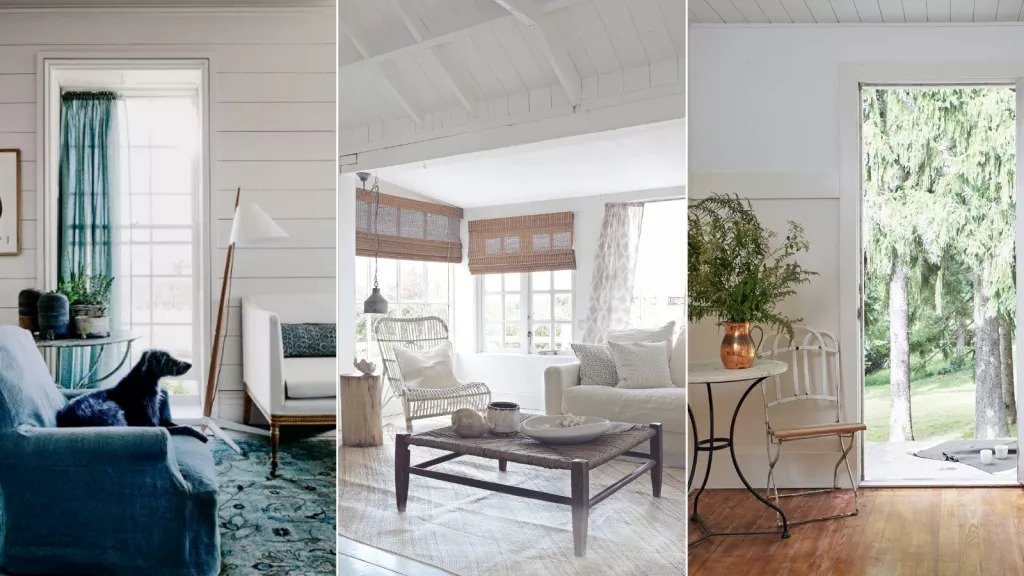
How to cool down a room – 9 ways to lower the temperature, fast
-
 Loading...
 - Adrien Gauthier
- 20 Jul 2022
- 115 Views
- 0 Like
- 0 Comment
Learning how to cool down a room without AC has its many advantages come summer. For all the outdoor fun we can have in them, heatwaves do have their disadvantages – especially if your home is prone to overheating, you don't have AC, or it isn't quite up to the job.
So, if you find yourself facing a heatwave, or even just a particularly hot day, it is perhaps inevitable that you will wonder how to cool down a room.
While some methods of keeping a home cool in a heatwave can work in the long term, some quick fixes will lead to faster relief in the hot weather. Here, the experts offer solutions to keep your space cooler throughout the entire season.
HOW TO COOL DOWN A ROOM – TO MAINTAIN A COMFORTABLE CLIMATE
Whether you're using your rooms as therapeutic spaces or for a hive of social activity this summer, it's essential to keep them cool. These are the quick and long-term solutions the experts advise.
HOW TO COOL DOWN A ROOM – QUICKER FIXES
1. EMULATE AN AC UNIT WITH A FAN
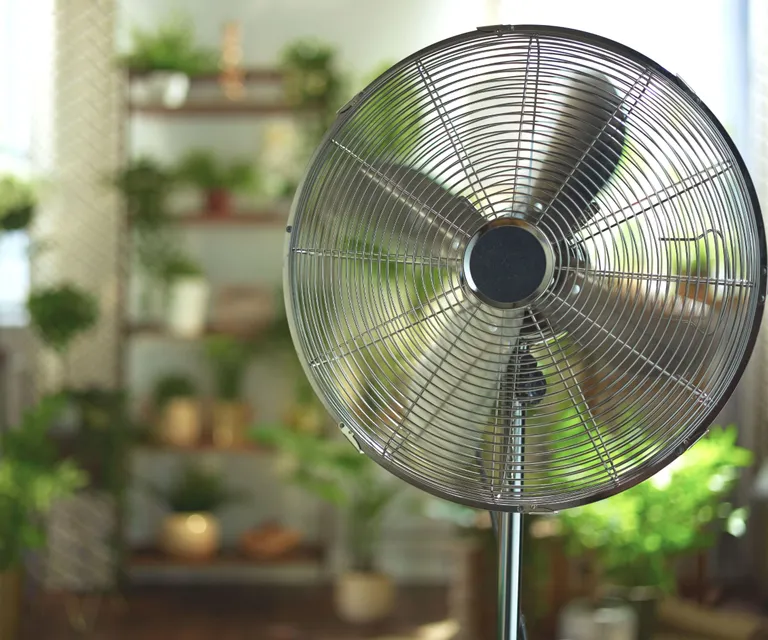
If you do not have AC, one solution is to place blocks of ice in bowls of water in front of a conventional fan. This method draws from the old-school method of keeping food cold. The ice blocks cool the air around them and the fan will redistribute the cold air around your room. This neat hack will allow you to feel the benefit of if you are seated nearby and, if you are trying to cool down a bedroom, this will help you to sleep more easily.
2. UNPLUG UNUSED ELECTRONICS

Electronics such as your TV and chargers generate heat even when not in use and can contribute to an already hot room. Unplug anything that is not in use to help eliminate an unnecessary source of heat.
3. USE YOUR ATTIC STRATEGICALLY
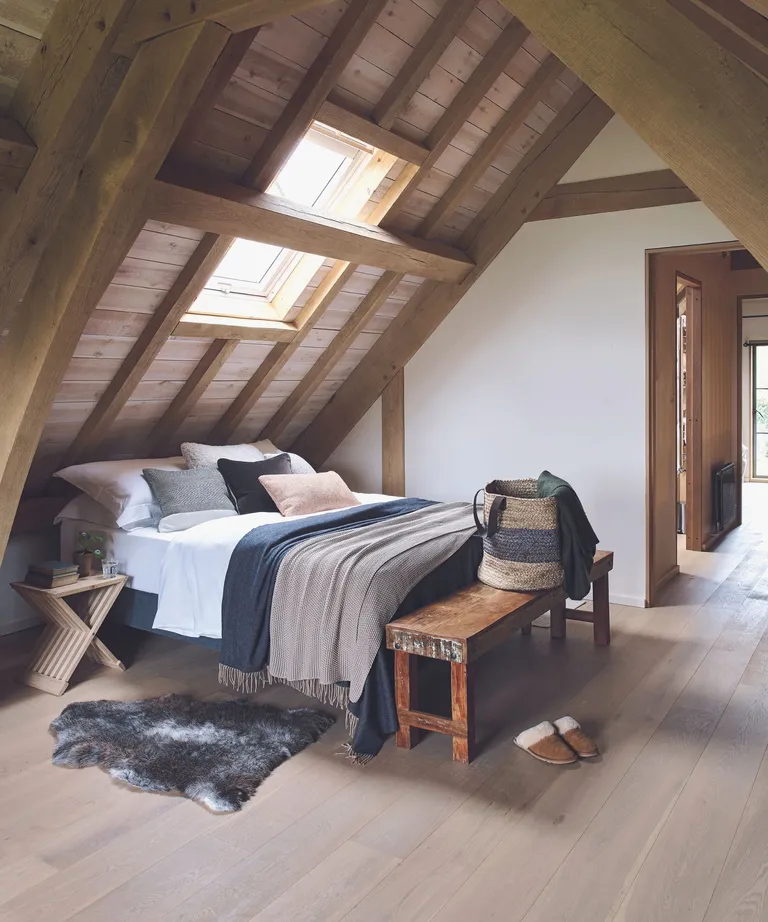
It is best when it is hot to avoid spending too long in your attic bedrooms, as this tends to be the warmest area of the home.
4. CLOSE YOUR WINDOWS IN THE DAYTIME
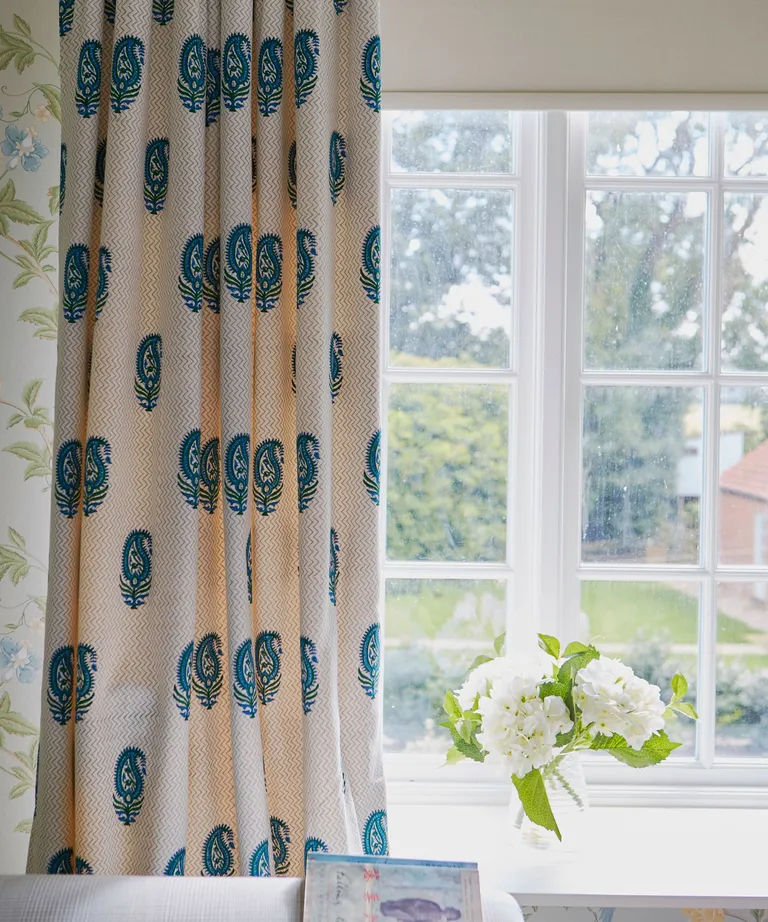
Although closing your windows on a hot day might seem counterintuitive, it can help to keep the hot air out of your home and, in turn, keep it cooler.
Where possible, open your windows and internal doors at night when the air tends to be cooler and close them again first thing in the morning before the external air heats up. This method traps the cooler air indoors and prevents hot air from entering. Try to only open your windows if there is a cool breeze, or airflow is needed within the home. Read More...