How Useful is Paleontology in Today's Society
-
 Loading...
 - Ainsley Murphy
- 29 May 2023
- 80 Views
- 0 Like
- 0 Comment
Paleontology, the scientific study of ancient life through the examination of fossils, may seem like a discipline from a bygone era. However, its relevance and utility in today's society should not be underestimated. By piecing together clues from the past, paleontologists provide invaluable insights into our planet's history, the evolution of life, and even potential solutions for contemporary challenges. In this article, we will delve into the multifaceted contributions of paleontology and explore how it continues to shape and benefit our modern world.
Unearthing the Past: The Significance of Paleontological Research
Understanding Evolution: Unraveling the Tapestry of Life
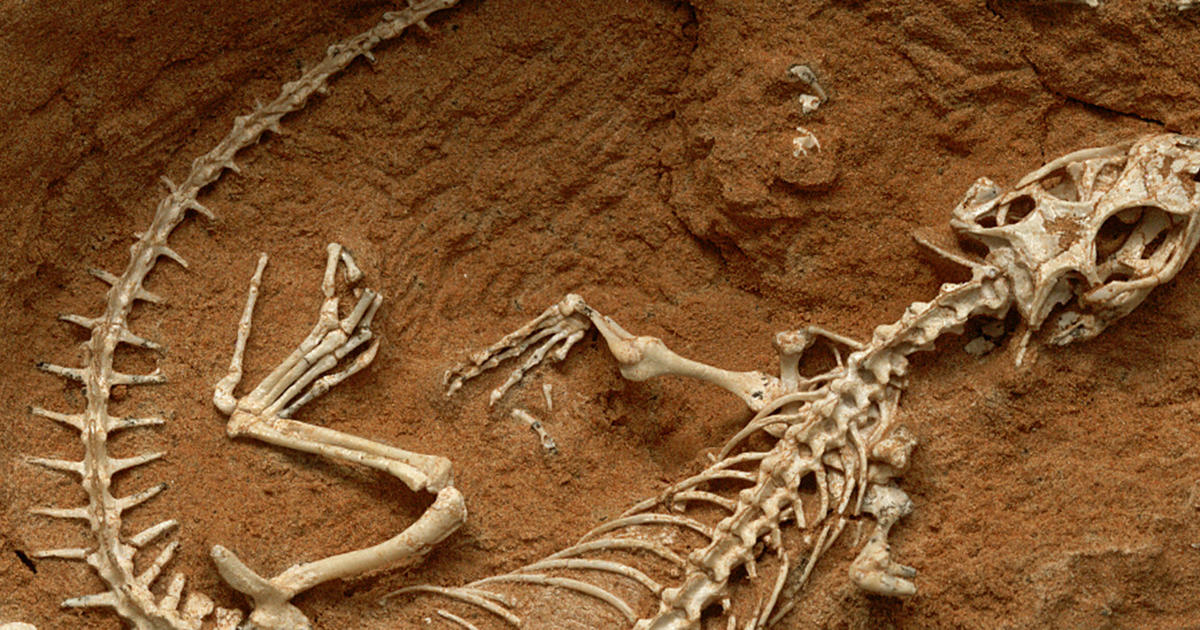
Paleontology plays a pivotal role in deciphering the intricate tapestry of life on Earth. By examining fossils, scientists can trace the evolution of organisms over millions of years. They can uncover the origins of species, identify transitional forms, and shed light on the processes that have shaped life as we know it today. This knowledge not only satisfies our curiosity about the past but also aids in understanding our place in the natural world.
Climate Change: Lessons from Earth's History
One of the most pressing challenges of our time is climate change. Paleontology offers a unique perspective by revealing the consequences of past environmental shifts. By studying ancient climate records, such as those preserved in ice cores or fossilized plants, scientists can reconstruct Earth's climate history. This knowledge is invaluable for predicting future climate patterns and developing strategies to mitigate the impact of climate change.
Conservation and Biodiversity: Protecting Endangered Species
The study of paleontology is closely intertwined with conservation efforts. By examining fossils, scientists can identify extinct species and study their ecological roles. This knowledge aids in understanding the complex web of life and how it has been affected by various factors, such as habitat loss and climate change. By recognizing patterns from the past, paleontologists can provide valuable insights into protecting endangered species and preserving biodiversity.
Paleontology and Modern Technology: Tools of the Trade
Advanced Imaging Techniques: Peering into the Past
Modern technology has revolutionized the field of paleontology. High-resolution imaging techniques, such as computed tomography (CT) scanning and synchrotron radiation, allow scientists to examine fossils without damaging them. These methods provide detailed information about internal structures, allowing for a deeper understanding of ancient organisms and their adaptations. By combining traditional fieldwork with cutting-edge technology, paleontologists can unlock new realms of knowledge.
Molecular Paleontology: Unveiling Ancient DNA
In recent years, molecular paleontology has emerged as a powerful tool for studying ancient life forms. By extracting and sequencing DNA from fossils, scientists can gain insights into the genetic makeup of extinct organisms. This approach has led to groundbreaking discoveries, such as the identification of DNA from Neanderthals. Molecular paleontology not only enhances our understanding of the past but also provides clues about the genetic diversity of modern species and the potential for genetic engineering.
FAQs
Q: How does paleontology contribute to medical research?
A: Paleontology indirectly contributes to medical research by providing a deeper understanding of evolutionary processes. By studying the adaptations and changes in organisms over time, scientists can gain insights into the mechanisms behind diseases and develop potential treatments.
Q: Is paleontology relevant to the energy sector?
A: Absolutely! Paleontology plays a crucial role in the exploration and extraction of fossil fuels, such as coal, oil, and natural gas. By understanding the geological processes that led to the formation of these resources, paleontologists can help locate and exploit them more efficiently.