In 1930s Rwanda, a Black Savior Is Coming, and She Might Be a Woman
-
 Loading...
 - Wanjiku Gacheri
- 15 Nov 2024
- 33 Views
- 0 Like
- 0 Comment
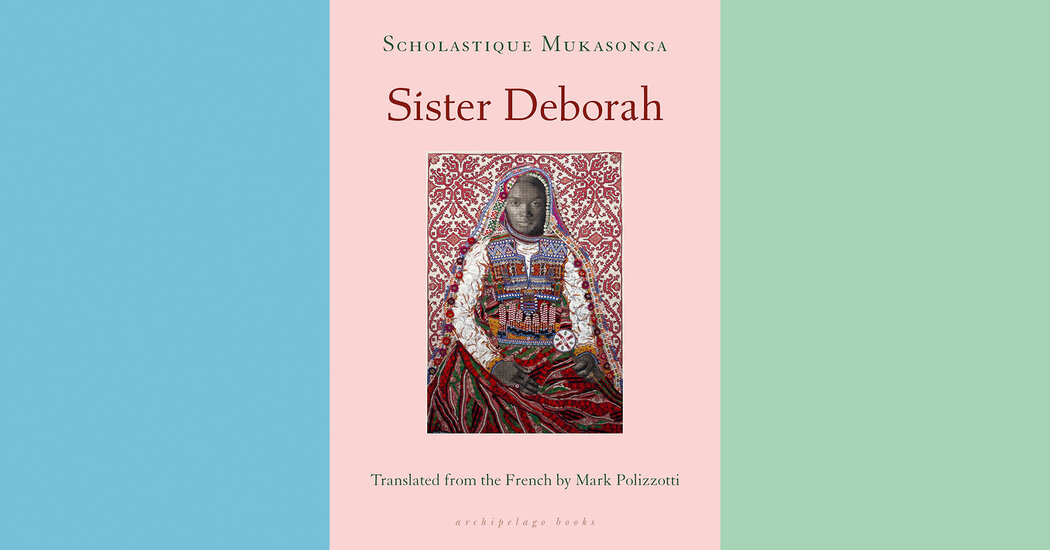
In Scholastique Mukasonga’s compelling new novel, “Sister Deborah,” the narrative unfolds in 1930s Rwanda, where the arrival of Black American evangelists heralds the promise of a “Black Savior” — a “Celestial Woman” destined to bring salvation and bountiful harvests to the village of Nyabikenke. Central to this transformative tale is Sister Deborah, a charismatic healer-prophet whose mysterious origins and powers captivate the community, particularly the women who rally around her.
The novel is structured in four parts, beginning with the perspective of Ikirezi, a Rwandan-born scholar living in the United States. As she reflects on her childhood near Nyabikenke, she seeks to understand her role as the chronicler of Sister Deborah’s life. The narrative reveals the tensions within the community, especially as Ikirezi’s father denounces Deborah as a demonic fraud, insisting that true priests are white. In contrast, Ikirezi’s mother, rooted in the traditional medicine of her lineage, defies her husband and takes her ailing daughter to Deborah, returning convinced of the healer’s powers.
Sister Deborah’s message resonates deeply with the women of Nyabikenke, who find in her prophecies a sense of urgency and empowerment that the sermons of white priests lack. As her influence grows, so does the fervor of her followers, leading to armed rebellion as they attempt to enforce her calls for sexual abstinence and an end to farming while they await their savior. The colonial authorities, alarmed by this uprising, respond with violence, resulting in Deborah’s death or disappearance, depending on who tells the story. The official reports downplay her significance, erasing her from history as if she had never existed.
Despite the colonizers’ efforts to suppress faith and rewrite history, the second part of the novel reveals that Deborah’s legacy endures. Rumors circulate that her corpse rose from a ditch, that she defeated the soldiers, and that she has returned to America. A reverend who accompanied her preaches that Africans will one day be transported to the United States on the Black Messiah’s cloud, where they will become white. This fantastical narrative reflects the deep yearning for liberation and transformation among Deborah’s followers.
Ikirezi collects these fragmented tales, preserving them in her memory, unaware that she will one day be tasked with telling Sister Deborah’s story. The narrative takes a poignant turn in the third section, where Deborah herself addresses Ikirezi, asserting her own version of events while cautioning against granting her story too much authority. Her reflections on her visions and prophecies are some of the most moving passages in the book, as she grapples with the nature of reality and perception: “Sometimes I tell myself this story was a dream, and at other times that it’s indeed what happened. How can you see yourself in your dreams? Who is the dreamer? Who is being dreamed?”
Mukasonga’s narrative does not conclude with a tidy resolution. Instead, in the final section, another act of violence compels Ikirezi to investigate Deborah’s fate once more, presenting her with a surprising choice. The author emphasizes that the essence of faith lies in waiting rather than resolution, leaving readers in a space of uncertainty. The ending offers no catharsis but instead presents a “dark and hopeful hall of mirrors,” reflecting the complexities of belief, identity, and the struggle against oppression.
“Sister Deborah” is a rich, multi-layered exploration of faith, feminism, and the intersections of colonialism and patriarchy in Rwanda. Scholastique Mukasonga masterfully weaves together the voices of her characters, creating a narrative that is both a personal journey and a collective history. Through the lens of Sister Deborah and her followers, the novel challenges readers to consider the power of belief and the resilience of those who dare to disrupt the status quo. In a world where history is often written by the victors, Mukasonga’s work serves as a vital reminder of the stories that persist, waiting to be told.