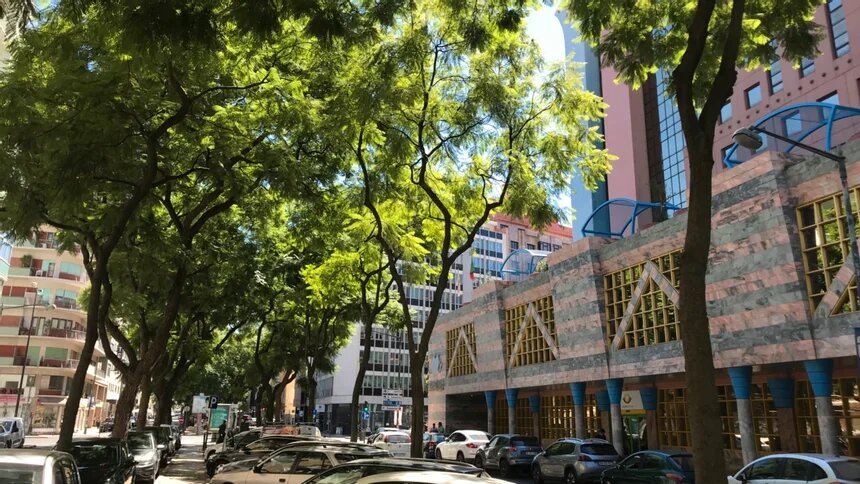
In Lisbon, every dead tree will be replaced by two living ones
-
 Loading...
 - Diane Hunter
- 31 Mar 2022
- 358 Views
- 0 Like
- 0 Comment
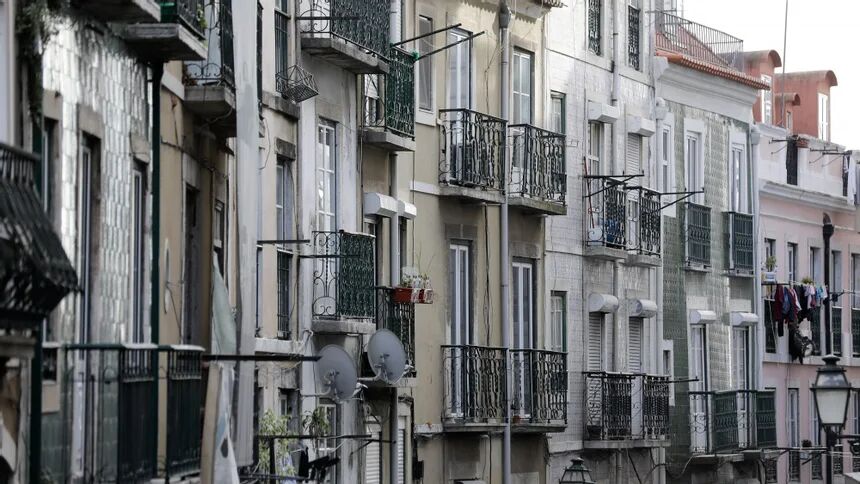
The City of Lisbon has now made it a municipal policy to seek an increase in the scope of green areas. This is a recognition of the fact that climate change is likely to pose more strain on urban life in the future. In that respect, last week, a municipal order was published that defined the policy of treating dead trees from now on.
With this, the City also reminds citizens that removing or transplanting trees are sometimes necessary acts in greenery management in cases when a plant is dead, severely ill or is of an invasive species. However, tree removal should not be a cause of concern for citizens since replacement has been transcribed as the policy to follow.
The four pillars of the local tree management policy
As a rule, replanting is preferred in a place close to the specimens that have to be removed, provided that they present conditions for this purpose. However, it is not always possible to proceed with the maintenance or transplant of the specimens, as they do not always present the necessary sanitary conditions that make this operation viable, so felling then becomes necessary.
Here are the four points of the order, in more detail:
· When transplanting tree and/or shrub species, this cultural operation must be carried out in the area as close as possible to the intervention site;
· When tree and/or shrub species are felled, each felled specimen must be replaced by at least two new specimens, and at least one of these specimens must be planted in the surroundings of the place where the tree was felled;
· When proposed for felling/transplanting, whenever possible, there will be georeferencing of the proposed location of trees and/or shrubs to be transplanted or planted, in the case of new specimens. In the case of repopulation with forest-sized species, indicate the georeferenced area of ​​the plantation to be carried out, as well as the species and quantities proposed.