In Norway, a Kid Can Still Be a Kid
-
 Loading...
 - Nora Kingma
- 18 Oct 2024
- 40 Views
- 0 Like
- 0 Comment
In Norway, childhood is celebrated as a time for exploration, play, and learning, allowing children to experience the joys of being young without the pressures often found in other parts of the world. The country’s approach to childhood emphasizes outdoor activities, creativity, and a strong sense of community, fostering an environment where kids can thrive.
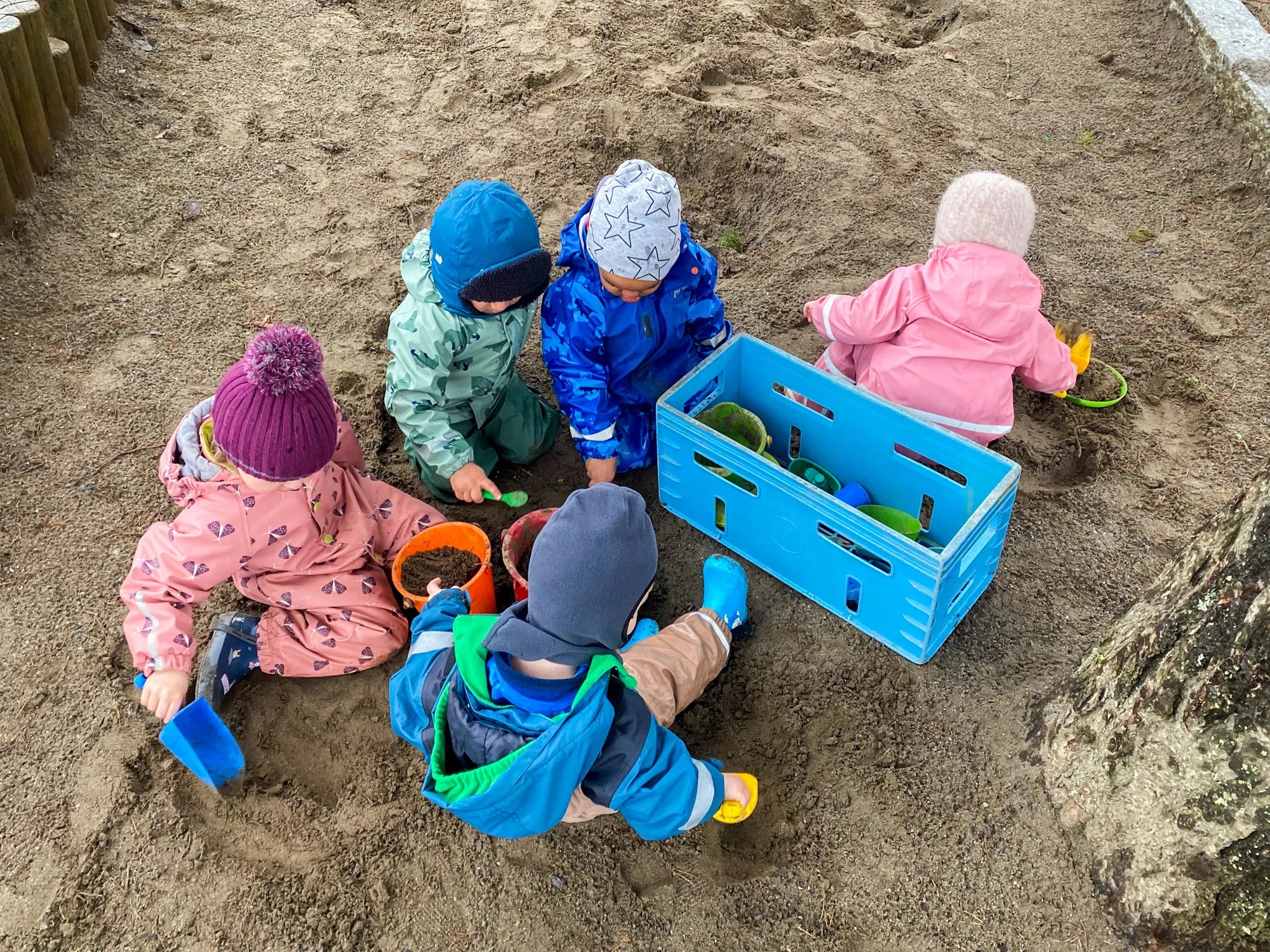
One of the hallmarks of childhood in Norway is the emphasis on outdoor play. With its stunning natural landscapes, including forests, mountains, and fjords, children are encouraged to spend time outside, regardless of the weather. Schools often incorporate outdoor learning into their curricula, allowing kids to engage with nature through activities like hiking, skiing, and even foraging. This connection to the outdoors not only promotes physical health but also instills a sense of respect for the environment.
Norwegian culture values the importance of free play, which is seen as essential for a child's development. Children are given the freedom to explore their interests and engage in imaginative play without constant adult supervision. This autonomy helps them develop problem-solving skills, creativity, and resilience. Playgrounds in Norway are designed to be adventurous and stimulating, featuring natural materials and structures that encourage exploration and physical activity.
Education in Norway also reflects a child-centered approach. The school system prioritizes the well-being of students, focusing on holistic development rather than solely academic achievement. Early childhood education emphasizes play-based learning, allowing children to develop social skills and emotional intelligence in a supportive environment. The concept of "friluftsliv," or outdoor living, is integrated into the educational framework, promoting a love for nature and physical activity.
Community plays a significant role in the lives of Norwegian children. Families often participate in local events and activities, fostering a sense of belonging and connection. Neighborhoods are designed to be child-friendly, with safe spaces for play and social interaction. This communal spirit encourages children to form friendships and develop social networks that extend beyond the school environment.
Moreover, Norway's strong social welfare system supports families, providing access to quality healthcare, parental leave, and affordable childcare. This support allows parents to spend more time with their children during their formative years, reinforcing the importance of family bonds and nurturing relationships.
In conclusion, Norway offers a unique environment where children can truly be kids. With a focus on outdoor play, community involvement, and a child-centered education system, Norwegian children are given the freedom to explore, learn, and grow in a supportive and enriching atmosphere. This approach not only fosters their development but also cultivates a lifelong appreciation for nature, creativity, and social connection.