Inclusive Education in Senegal
-
 Loading...
 - Kesse Anim
- 17 Sep 2024
- 63 Views
- 0 Like
- 0 Comment
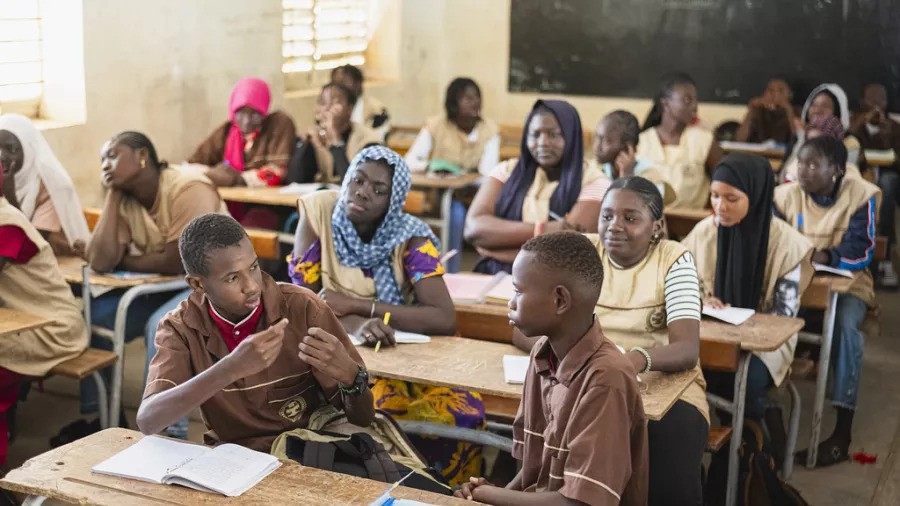
In a significant move towards inclusive education, a small number of schools in Senegal have started seating deaf and hard-of-hearing pupils alongside their peers in the same classroom. This new approach aims to break down barriers and provide equal opportunities for all students, regardless of their abilities.
Mouhamed Sall, a deaf student, is one of the beneficiaries of this new approach. He attends the Apix Guinaw Rails Sud school in a suburb of Dakar, where he is part of a lively and cheeky class that has welcomed him with open arms. Sall's classmates have even taken the initiative to learn sign language, making it easier for him to communicate and participate in class.
Despite the progress made, challenges still remain. According to the United Nations children's agency, about 60% of children with disabilities in Senegal are not attending school. The government lacks comprehensive data on the issue, and there is a stigma associated with disabilities in some parts of the country. However, attitudes are changing, and there is a growing recognition of the importance of inclusive education.
The organization Humanity and Inclusion has partnered with Senegal's education ministry to implement mixed classes in four public secondary schools. The program includes the hiring of assistants who can communicate in sign language, providing support to deaf and hard-of-hearing students. Teacher training is also a crucial aspect of the program, as educators need to be equipped to handle the unique needs of students with disabilities.
Sall's story is a testament to the success of the program. He is receiving education free of charge, a significant advantage in a country where school fees can be a constant source of stress for parents. However, challenges remain, including the need for more teacher training and the replication of the model nationwide.
Key Players and Stakeholders
- Mouhamed Sall: A deaf student who is part of the inclusive education program at Apix Guinaw Rails Sud school.
- Humanity and Inclusion: An organization that has partnered with Senegal's education ministry to implement mixed classes in four public secondary schools.
- UNICEF Senegal: The United Nations children's agency, which has highlighted the importance of inclusive education and the need for government initiatives to support children with disabilities.
- Senegal's education ministry: The government ministry responsible for implementing inclusive education policies and programs.
The inclusive education program in Senegal is a step in the right direction towards providing equal opportunities for all students, regardless of their abilities. While challenges remain, the success stories of students like Mouhamed Sall demonstrate the potential of this approach to break down barriers and promote social inclusion.