Indian Scientists Make Green Mussel Genome Breakthrough
-
 Loading...
 - Pranavi Chauhan
- 12 Sep 2024
- 61 Views
- 0 Like
- 0 Comment
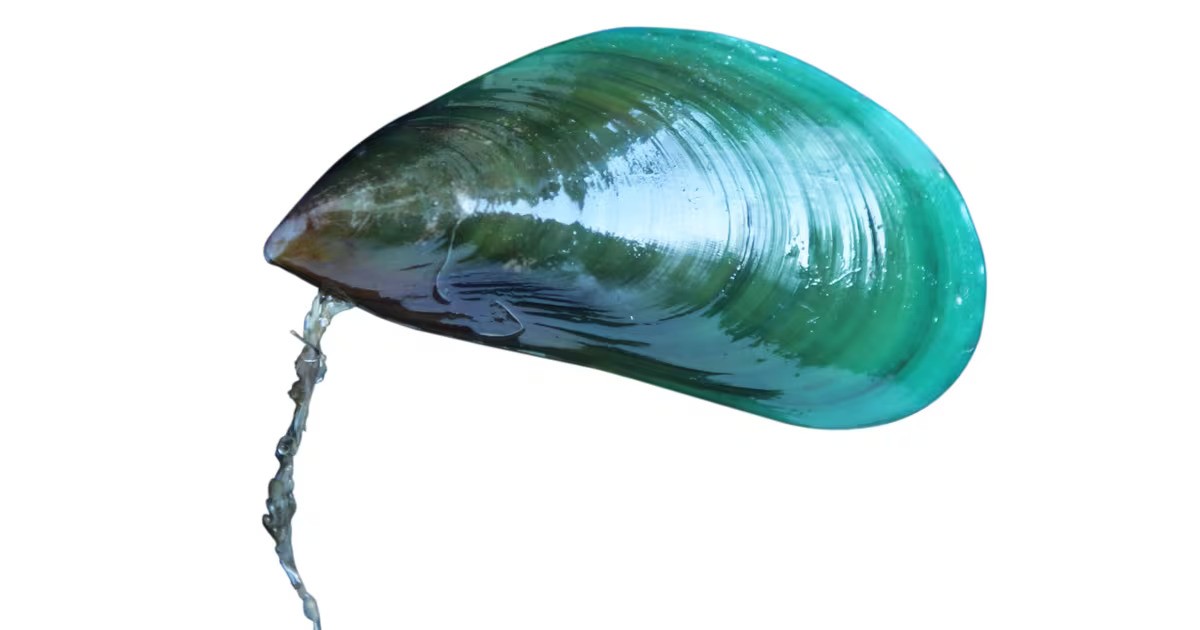
The genome sequencing of the Asian green mussel is expected to have a significant impact on both aquaculture and cancer research in India. In terms of aquaculture, the discovery will help develop new strategies to combat diseases in the mussel, which is a major threat to Asian green mussel aquaculture in India, causing substantial mortalities in farms. According to Dr. Sandhya Sukumaran, "Genomic investigations on this species are vital to understand genes, gene combinations and signaling pathways leading to the parasitic diseases, which constitute a major threat to Asian green mussel aquaculture in India, causing substantial mortalities in farms."
The research team, led by Dr. Sandhya Sukumaran, identified 49,654 protein-coding genes, including 634 genes associated with the cancer pathway and 408 genes associated with viral carcinogenesis. This indicates that this species is a novel model organism for cancer research. The discovery may also have implications for human health, as the Asian green mussel could be a novel model organism for cancer research.
Apart from its aquaculture prospects, Asian green mussel plays a vital role as a bio-monitor as it is capable of accumulating heavy metals and other environmental pollutants in large quantities. Understanding the genome assembly will provide valuable information about the genomic pathways involved in response to pollutants. According to Dr. Sandhya Sukumaran, "The genetic markers to be developed from this research could be used to monitor pollutants in aquatic bodies, a significant milestone in safeguarding the aquatic environment."
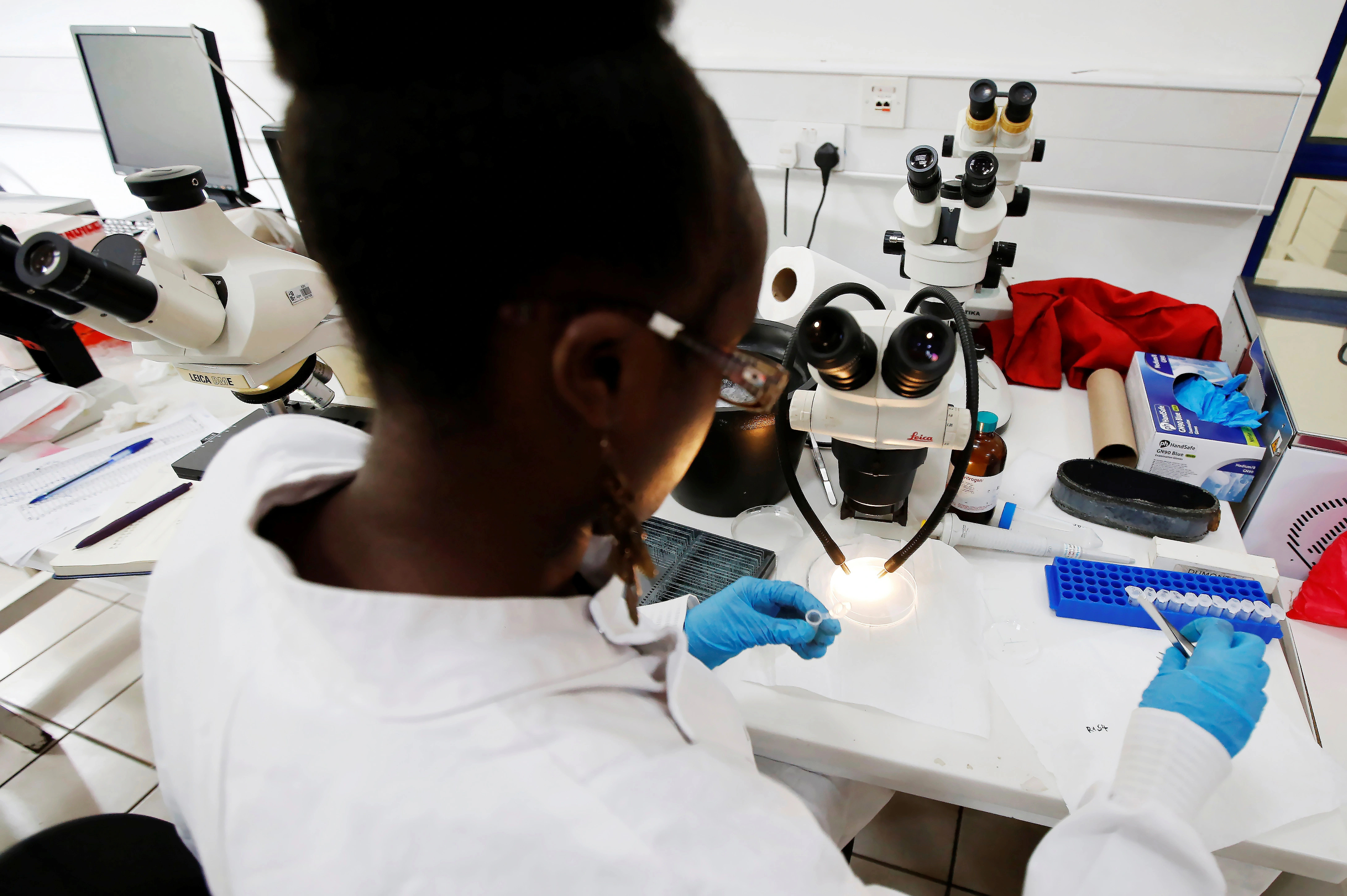
The breakthrough is the first-ever chromosome-level genome sequencing of a marine invertebrate species from India and was published in the journal Scientific Data. A team of researchers from CMFRI led by principal scientist Dr. Sandhya Sukumaran carried out the study, with funding support from the department of biotechnology, New Delhi. The team includes Dr. A Gopalakrishnan, V G Vysakh, Dr. Wilson Sebastian, Dr. Lalitha Hari Dharani, Dr. Akhilesh Pandey, Dr. Abishek Kumar and Dr. J K Jena.
The successful sequencing of the Asian green mussel genome is a significant achievement for Indian scientists, with far-reaching implications for bivalve aquaculture, human health, and environmental monitoring. The research is expected to pave the way for improved genomic selection and breeding practices, leading to enhanced productivity and sustainability in the aquaculture industry.