Indonesia's Internet Access Hits 79.5 Pct as Speed Rises Tenfold in a Decade
-
 Loading...
 - Susu Jiang
- 10 Sep 2024
- 73 Views
- 0 Like
- 0 Comment
Indonesia has made significant strides in increasing its internet penetration over the past decade, with a remarkable jump from 34.9% to 79.5%. This achievement has brought internet access to around 221 million people, according to Fadhilah Mathar, Director of the Telecommunication and Information Accessibility Agency (BAKTI) at the Ministry of Communication and Informatics.
The country's progress can be attributed to three key strategies: enhancing infrastructure and connectivity, developing digital talent, and enforcing high standards of governance and regulation. As a result, the number of underdeveloped districts has decreased significantly, from 122 out of 514 in 2015 to 62 by the end of President Joko Widodo's second term.
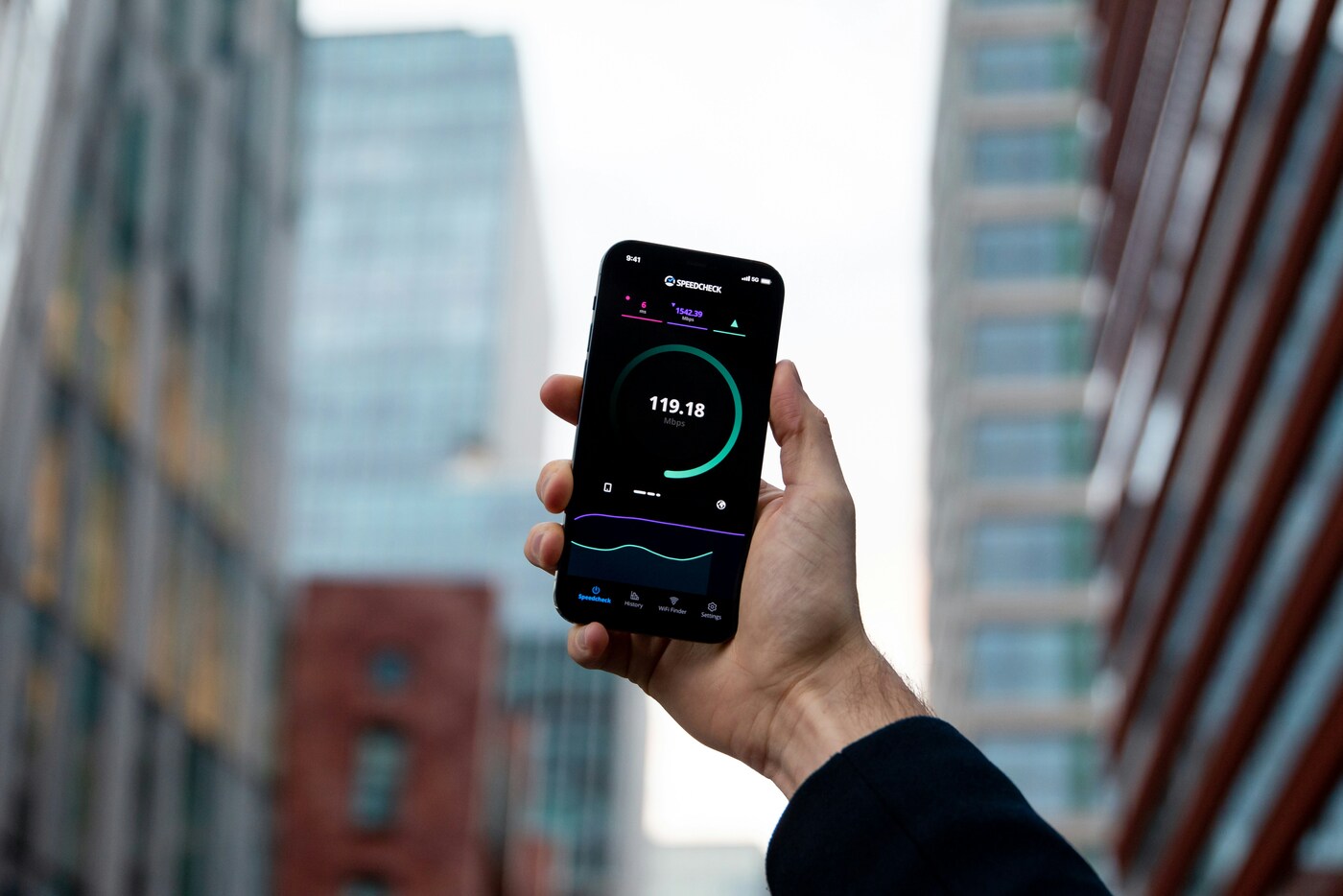
The Ministry of Communication and Informatics remains committed to providing information and communication technology access to all, including remote areas. Furthermore, the country has experienced a tenfold increase in internet speed over the past decade, rising from 2.5 Mbps in 2014 to an average of 25 Mbps today, as reported by Minister of Communication and Informatics Budi Arie Setiadi.
This rapid progress has far-reaching implications for Indonesia's economic and social development. With increased internet access, more people can now access information, education, and job opportunities, which can lead to improved economic outcomes and social mobility. The growth of e-commerce, digital payments, and online services has also created new opportunities for entrepreneurs and small businesses, contributing to the country's economic growth.
Moreover, the increased internet speed has enabled the development of digital innovation, such as fintech, healthtech, and edtech, which can address some of Indonesia's pressing development challenges. For instance, digital health platforms can improve access to healthcare services, especially in remote areas, while online education platforms can increase access to quality education.
However, despite this progress, there are still challenges to be addressed. The digital divide between urban and rural areas remains a significant issue, with many rural areas still lacking access to reliable and fast internet connectivity. Additionally, the country needs to ensure that the growth of the digital economy is inclusive and benefits all segments of society, particularly the poor and vulnerable.
To address these challenges, the government needs to continue investing in digital infrastructure, promoting digital literacy, and developing policies that support the growth of the digital economy. The private sector also has a crucial role to play in developing innovative digital solutions that can address Indonesia's development challenges.
In conclusion, Indonesia's rapid progress in increasing internet access and speed over the past decade is a significant achievement that has far-reaching implications for the country's economic and social development. However, there are still challenges to be addressed, and the government, private sector, and civil society need to work together to ensure that the benefits of the digital economy are shared by all.