João Lourenço's third term would change "social order"
-
 Loading...
 - Morowa Sowah
- 16 May 2023
- 75 Views
- 0 Like
- 0 Comment
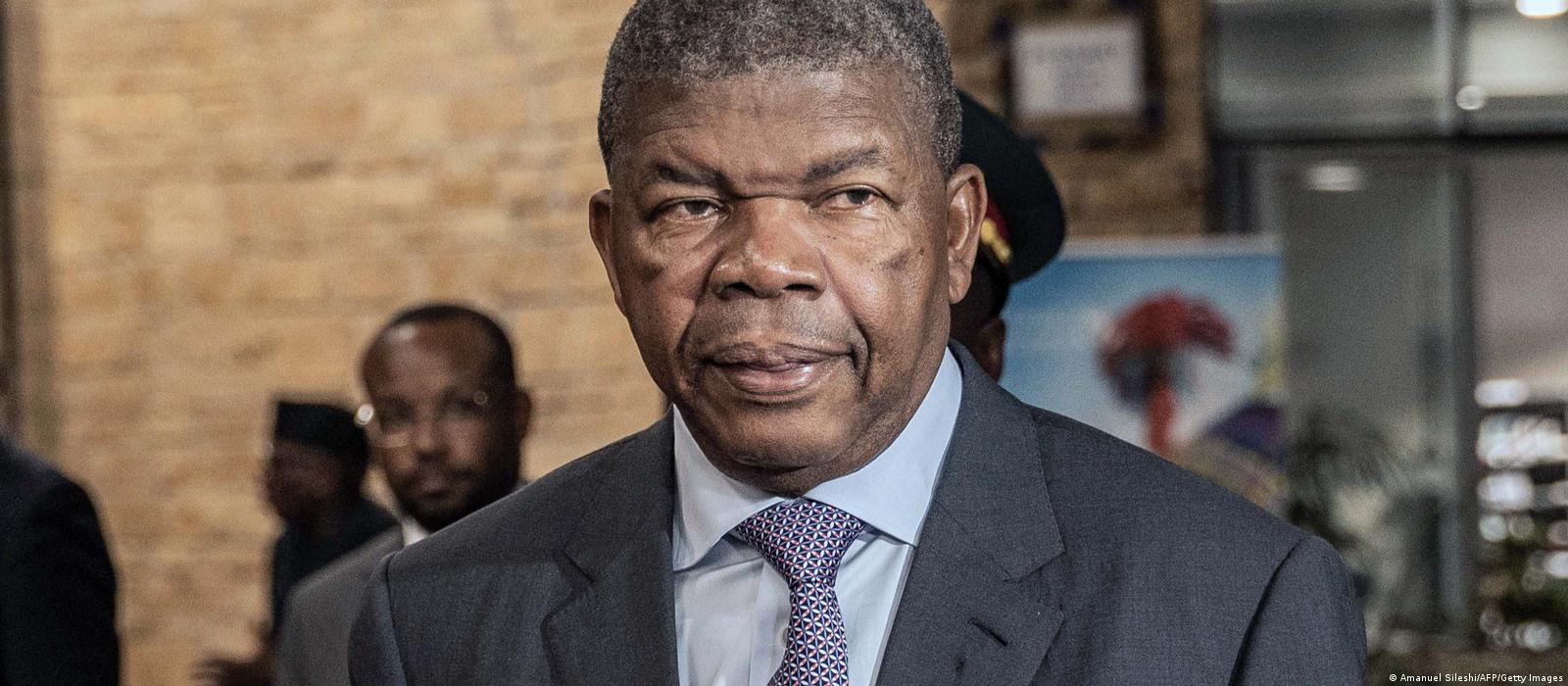
In Angola, the prospect of a third presidential term has raised concerns about "disrupting the social and constitutional order," according to legal expert Agostinho Canando, following President João Lourenço's remarks on the possibility of seeking re-election. During a recent interview with France 24, President Lourenço deferred any decision on a third term to 2027, reigniting the debate within Angola. The main opposition party, UNITA, has already cautioned against the potential for a "constitutional coup."
In a conversation with DW, Angolan jurist Agostinho Canando emphasized that a third term would necessitate "altering the social and constitutional order." However, Canando acknowledged that "President João Lourenço and his party hold significant influence, making it highly likely for him to pursue a third term."
DW Africa: How do you interpret João Lourenço's recent response regarding a potential third term?
Agostinho Canando (AC): His response was brief, suggesting it is premature to discuss a third term. However, his answer has opened up the possibility of him seeking re-election, which would be detrimental to national politics.
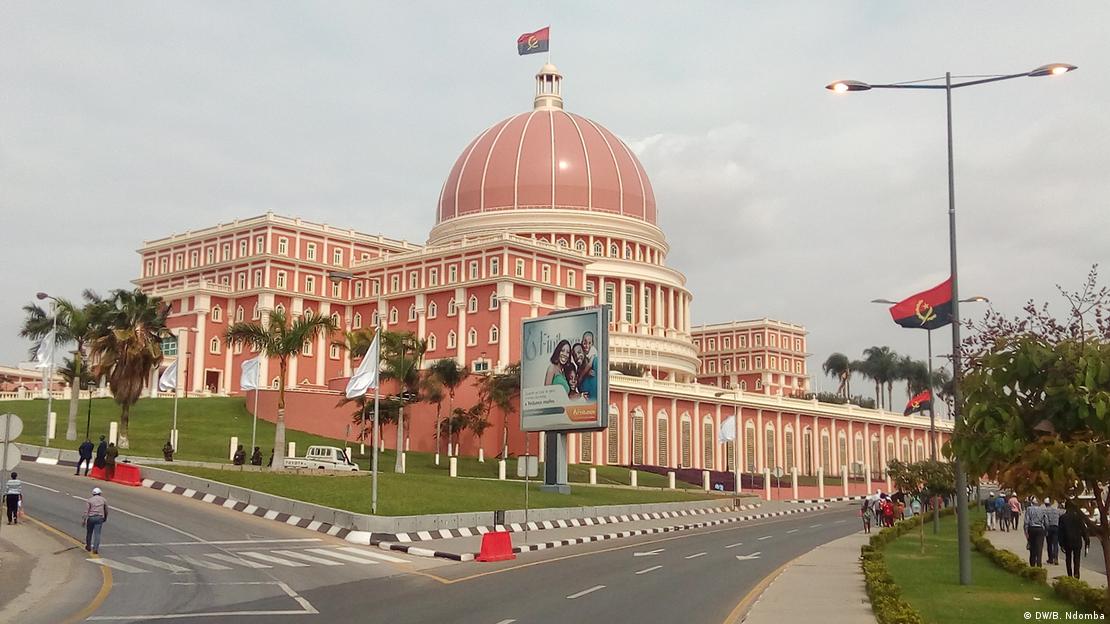
Currently, our Constitution permits only two five-year terms. If, by chance, the opportunity for a third term arises between now and 2026, it would not only trigger debates but also lead to a revision of the social and constitutional order. Many voices oppose the idea of a third term, particularly considering that the Republic of Angola has existed only since 1975. Angola needs to embrace fresh ideas and new leaders, instead of spending decades with the same person. The notion of clinging to power has become outdated.
DW Africa: Is a constitutional review possible by 2027?
AC: A constitutional review would require amending Article 237 of the Constitution of the Republic of Angola. This article stipulates that the constitution must be revised at least every five years. Since a specific revision was conducted in 2021, five years must elapse before another amendment can be made, which means 2026 would be the earliest opportunity for such a revision to be in favor of a third term. Conducting this revision in 2026 would leave only one year before the elections, further fueling the possibility of a social and constitutional crisis.
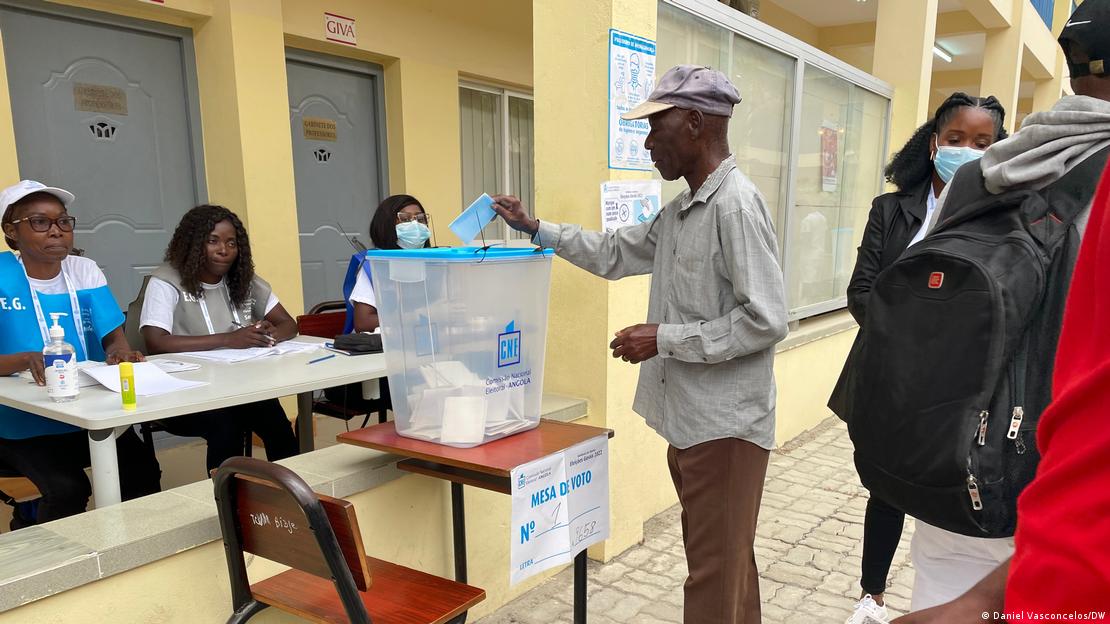
DW Africa: Nevertheless, UNITA has already made it clear that they do not support the President's attempt to undermine the Constitution...
AC: UNITA's opposition alone may not suffice, as the ruling party holds a majority in Parliament. Unless UNITA takes decisive action, their concerns may unfortunately be disregarded. President João Lourenço and his party, in principle, have the necessary influence to pursue a third term.
DW Africa: Do you believe that João Lourenço would have MPLA's support for a third term?
AC: In principle, yes. The prevailing dichotomy between the Lourenço and Santos factions suggests that party discipline and statutes will likely favor the party's leader. If the party's statute mandates that individuals act in the party's best interest, it is probable that the President, being the party's number one, would enjoy their support.
DW Africa: Could a third term be detrimental to João Lourenço's international image, considering Angola's history of prolonged presidencies?
AC: Regardless of personal preferences, the international community closely observes the political dynamics of various African, European, and other nations. Angola, for instance, has a well-known history of issues such as impunity and prolonged tenures in power. This problem is evident not only at the national level but also at municipal, provincial, and district levels. Thus, it is not just the President's image that would be distorted but also that of the country within the international community.