Will Parliamentary Election Bring a New Dawn to Kosovo?
-
 Loading...
 - Anastasia Gabris
- 06 Feb 2025
- 179 Views
- 0 Like
- 0 Comment
As Kosovo prepares for its parliamentary election on February 9, many citizens are hopeful that the formation of a new coalition government will lead to significant improvements in their daily lives. The public is eager for a government that can effectively address pressing domestic issues and make tangible progress in the ongoing dialogue with Serbia.
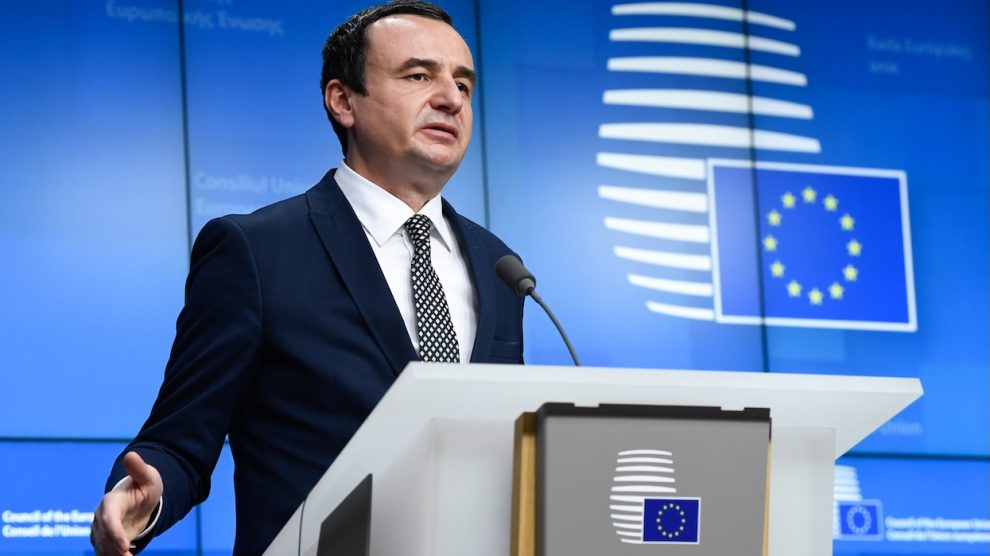
In the current political climate, there is a mixed sentiment among voters. While a relative majority express support for Prime Minister Albin Kurti to continue in office, there is also a strong demand for concrete advancements in various areas, including economic growth and the Kosovo-Serbia dialogue. The outcome of the elections will determine which party will form the next coalition government and how responsive it will be to the public's needs.
The upcoming elections are expected to be highly competitive, with 28 different political entities participating, including 20 parties, 5 coalitions, 2 civil initiatives, and 1 independent candidate. The main contenders include Kurti’s Vetëvendosje, the Democratic League of Kosovo (LDK) led by Lumir Abdixhiku, and the Democratic Party of Kosovo (PDK) led by Memli Krasniqi, who has been gaining support in various municipalities.
The election campaign has been marked by heightened tensions between Serbian and Albanian political parties, and there are concerns about potential disruptions from Serbia, particularly in areas with a majority ethnic Serbian population. While Kurti is favored to win a plurality, he may need support from other parties to form a coalition government.
Successes and Failures of Kurti's Tenure
During his time in office, Kurti has made some progress, including economic growth, reduced unemployment, and increased minimum wages. However, significant challenges remain. Kosovo has not attracted foreign investment, leading to a €5 billion trade deficit, rising inflation, and a healthcare system that many citizens still rely on foreign countries for. Additionally, over 150,000 people have emigrated from Kosovo in the past four years, including many healthcare professionals.
Kurti's focus on the Serbia-Kosovo relationship has yielded limited results, with little progress made on the Ohrid Agreement and ongoing tensions between the two nations. The EU's role in facilitating dialogue remains crucial, but its leverage is limited, especially without a clear path to membership for Kosovo.
The Path Forward
The new government will face numerous domestic and foreign challenges. Achieving mutual recognition with Serbia is a long-term goal that requires a process of reconciliation and concrete steps. Key measures for the new government include:
Improving Relations with the EU: Strengthening ties with the EU is essential for progress in the Serbia-Kosovo dialogue and security matters.
Implementing the Association of Serb Municipalities: This agreement must be honored, provided it aligns with Kosovo’s constitution.
Enhancing Trade and Cultural Exchanges: Building connections through trade, cultural initiatives, and joint environmental efforts can foster better relations.
Gaining Recognition from EU Members: Efforts must be made to secure recognition from the five EU countries that have yet to acknowledge Kosovo.
Engaging with the US Administration: Cooperation with the US, particularly regarding security and reducing tensions, is vital.
Domestically, the new government should prioritize tackling corruption, improving the healthcare system, attracting foreign investment, and addressing environmental issues. Significant funding will be necessary for these initiatives, which can be sourced from improved tax compliance, international loans, and grants.
The upcoming parliamentary election in Kosovo presents an opportunity for change and progress. If Kurti is re-elected, he will need to learn from his past experiences and rise to the challenges ahead. The expectations of the public are high, and the new government must demonstrate a commitment to addressing both domestic concerns and the complex relationship with Serbia. The question remains: will the new leadership be able to meet these expectations and usher in a new era for Kosovo?